What Is A Soft Water Loop

You know that feeling when you step out of the shower and your skin feels like a slip-n-slide? Or when your dishes come out of the dishwasher looking like they’ve been through...

You know that feeling when you step out of the shower and your skin feels like a slip-n-slide? Or when your dishes come out of the dishwasher looking like they’ve been through a milk-drinking contest? That’s hard water, my friend, and it’s a total party pooper. Enter the soft water loop—a plumbing wizard that makes all that nonsense disappear.
In plain English, a soft water loop is a clever little detour in your home’s pipes. It’s like a VIP lane for your water, bypassing the hard stuff and letting the soft, silky H2O take the wheel. Think of it as a secret passage that only your water softener knows about.
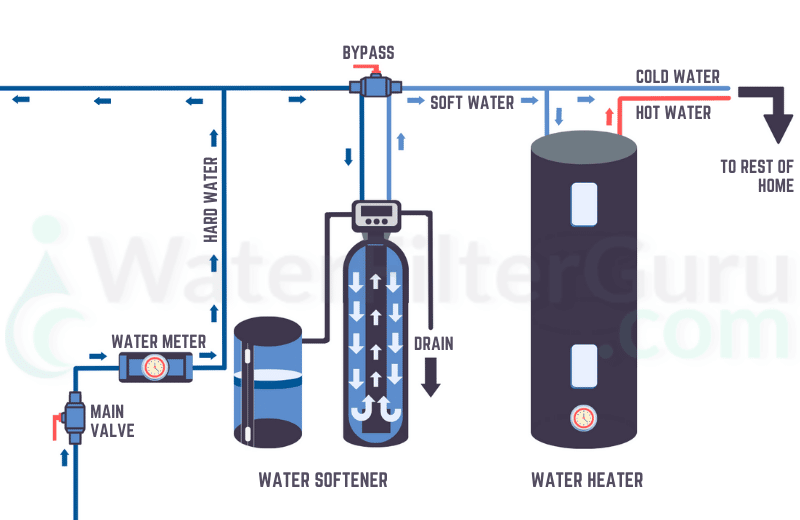
Imagine your house’s plumbing is a busy highway. The main road runs to your kitchen sink, shower, and washing machine. A soft water loop is the off-ramp that connects directly to your water softener, then loops back onto the main highway. It’s like creating a detour for the water to get all cozy and soft before continuing its journey.
Must Read
Why Should You Care About a Soft Water Loop?
Because without it, your water softener is basically a decorative box in the garage. You know how you feel when you buy a fancy coffee maker but forget the beans? Yeah, same energy. The loop is what actually lets the soft water reach your shower head instead of just playing hide-and-seek in the pipes.
Here’s the kicker: most homes don’t come with a soft water loop installed. Builders often assume you’ll just deal with the hard water—like they assume you’ll love the ugly beige carpet. So if you want that baby-smooth skin and spotless dishes, you’ll need to add one. It’s the plumbing equivalent of bringing your own reusable bag to the grocery store—smart, and saves you grief later.
Fun fact: a soft water loop is literally just a loop of pipe that sits between your main water line and your water softener. It’s not magic—it’s a three-foot piece of copper or PEX that says, “Hey, water! Go get soft first, then come back.” Simple, but effective.
The Soft Water Loop vs. The Hard Water Monster
Remember that time you washed your car and it dried with chalky white spots? That’s hard water minerals (calcium and magnesium) throwing a confetti party on your paint job. A soft water loop is your designated driver—it sends the water to the softener, which kicks those minerals to the curb, then re-routes the clean stuff home.
 How To Install Water Softener To Loop at Marsha Heath blog
If your house already has a water softener but you’re still getting that filmy residue on your glasses, check your loop. Sometimes the loop is installed but not connected properly—like a belt that’s too loose. You end up with a half-soft situation, which is like getting a half-cooked pizza—technically edible, but disappointing.
I once visited a buddy’s house who claimed his water was “super soft.” Every glass he handed me had a fuzzy rainbow ring at the bottom. Turns out his soft water loop was bypassed by a previous owner who thought it was “extra plumbing.” It was like buying a convertible and leaving the top up forever.
Where Does the Loop Live?
You’ll usually find a soft water loop in the utility room or near your water heater—sometimes hiding behind the washing machine like a shy raccoon. It’s literally a U-shaped piece of pipe with two shut-off valves. One valve sends water to the softener; the other brings it back. If you don’t have a softener, you just close those valves, and the water flows through the loop like nothing happened.
This is genius because it means your plumbing is future-proof. If you move into a house with a loop but no softener, you’re twenty minutes away from installing one. It’s like having a guest bedroom already wired for a TV—just plug in and relax.
Pro tip: if you’re buying a new home, ask if it has a pre-installed soft water loop. If the builder says “what’s that?” run. Or at least negotiate a discount—you’ll need it for the plumber later.
 General Ionics Water Softener Instructions – YOVZ
Can You DIY a Soft Water Loop?
Technically yes, but I’d rather watch a cat try to open a door. You need to cut into your main water line, add a T-joint, and run pipe that loops back. It’s like performing heart surgery on your house—one wrong cut and you’re swimming in the basement.
Most plumbers can install one for under two hundred bucks, which is cheaper than the therapy you’ll need after trying to do it yourself. I once tried to solder a copper pipe and ended up melting a hole in my ceiling. The smoke alarm became my new best friend.
But once it’s in, oh boy, it’s glorious. You’ll notice your laundry feels fluffier, your shampoo lathers like a Broadway show, and your coffee maker stops looking like a science experiment gone wrong. Your bathroom mirror will finally stay clear after a hot shower—no more foggy selfies.
The Bottom Line on Soft Water Loops
A soft water loop is the silent hero your pipes never knew they needed. It’s the bridge between your water softener and your sink, making sure every drop behaves itself. Without it, your softener is like a lifeguard at a pool with no water—pointless.
So next time you’re marveling at your squeaky-clean hair or a dishwasher load that actually sparkles, give a little nod to that humble loop of pipe. It’s the unsung celeb of your plumbing—quiet, unassuming, but absolutely essential. And hey, it’s way easier to appreciate than that weird beige carpet.
