What Is A Sparkling Drink

So, you’re standing in the grocery aisle, staring at a wall of bubbles. Water that bites back, soda that hisses when you open it, and things that call themselves “seltzer” wit...

So, you’re standing in the grocery aisle, staring at a wall of bubbles. Water that bites back, soda that hisses when you open it, and things that call themselves “seltzer” with an attitude. You’re not alone. We’re all obsessed with drinks that fizz, pop, and threaten to explode if you shake them too hard. But what on earth is a sparkling drink, really? Grab a seat, and let’s get fizzy with it.
The Bubbly Basics
At its heart, a sparkling drink is any liquid that contains dissolved carbon dioxide gas. That’s the same stuff you breathe out, but trapped in your beverage like a tiny, angry prisoner. When you crack the seal, those bubbles rush to freedom, tickling your nose and making you burp with joy. It’s basically science you can taste.
But here’s the kicker: not all bubbles are born equal. Some drinks are carbonated naturally, like fancy French water from a spring that’s been gassy for centuries. Others are force-carbonated in a factory, which is like putting a soda on a coercive training program for bubbles. Either way, the result is the same: a party in your mouth, and your dentist is the only one not invited.
Must Read
The Rogues' Gallery of Fizz
Let’s break down the suspects. First, you’ve got soda water—the bare-bones, no-nonsense fizz. It’s just water and CO₂, and it tastes like the universe if the universe were slightly sour. Then there’s club soda, which adds minerals like sodium bicarbonate to make it taste “cleaner.” Spoiler: it just tastes like salty water with ambition.
Next up, tonic water. This is the tricky one. It has quinine, a bitter compound originally used to fight malaria. So, every sip of your gin and tonic is technically a medical history lesson in a glass. Tonic also has sugar—about as much as a can of soda—so don’t kid yourself that it’s “healthy” just because it glows under a blacklight.
And then there’s sparkling wine, the diva of the group. Champagne, Prosecco, Cava—these are wines that underwent a second fermentation to trap bubbles. Fun fact: the pressure inside a champagne bottle is about three times that of a car tire. That’s why opening one wrong can launch the cork at 50 miles per hour. Wear safety goggles, or at least look dramatic doing it.
 Sparkling Seltzer Vs Sparkling Water at Taylah North blog
The Surprising Villain: Sparkling Water vs. Your Teeth
Here’s a plot twist: sparkling water is slightly acidic. When CO₂ dissolves, it forms carbonic acid, which lowers the pH. Now, before you panic and switch to flat water forever, relax. Studies show that plain sparkling water is about 100 times less erosive than soda. Your enamel will survive, but maybe don’t swish it around your mouth like a mouthwash for an hour.
However, if you add citrus—lemon, lime, the tears of a forgotten grapefruit—the acidity jumps up. Suddenly, your healthy choice is waging a tiny war on your teeth. The hero solution? Drink it with a straw, like a fancy lizard. Or just chug it and accept that all joy comes with a microscopic cost.
The Bizarre History of Bubbles
Believe it or not, people used to think sparkling water was evil. In the 1700s, natural springs that bubbled were considered “cursed waters,” possibly from the devil. Then chemist Joseph Priestley invented “soda water” in 1767 by suspending a bowl of water over a vat of fermenting beer. He literally captured the burps of beer to make his fizzy drink. We owe our party favors to a guy who loved beer farts.
 sparkling water with fruit juice Sparkling maid fizzy juices beverages
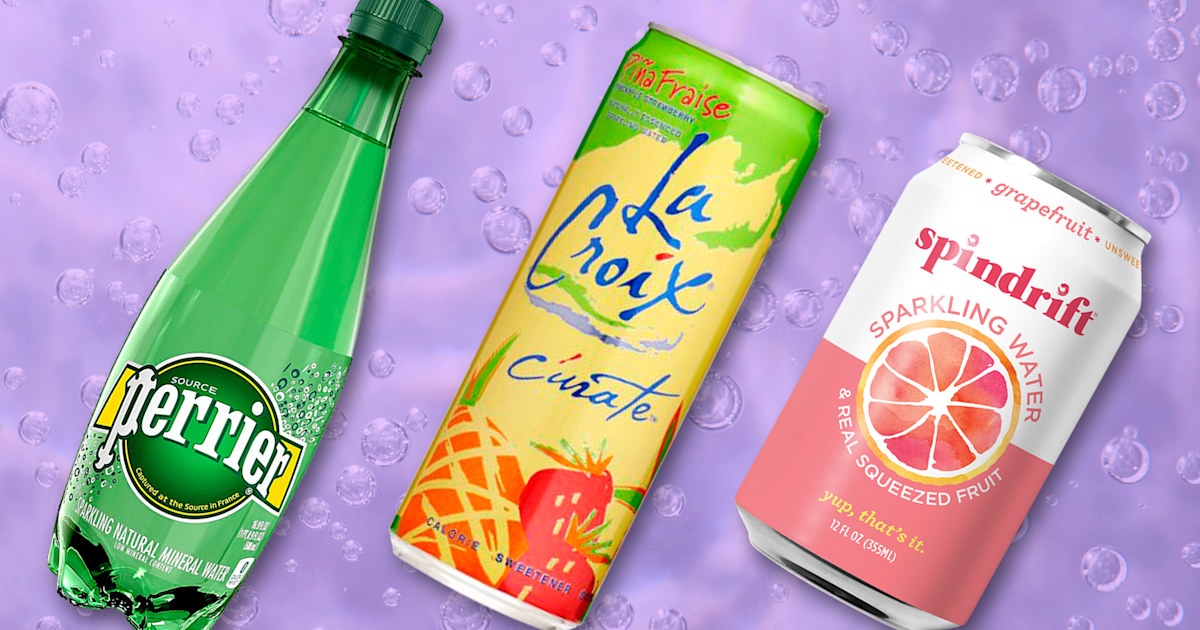
Today, sparkling drinks are a global obsession. In Japan, they sell carbonated coffee that fizzes in your mouth like a caffeine slap. In Mexico, you can buy “Boing” mango punch that is so bubbly it might as well be a flavor grenade. And in the U.S., LaCroix has convinced an entire generation that hinting at a flavor is more sophisticated than having one. It’s the beverage equivalent of being “vaguely European.”
The Final Verdict: Why We Can't Stop
Let’s be honest: most sparkling drinks are just flavored water with an attitude problem. But we love them because they force us to pay attention. You can’t sip a fuzzy peach soda without acknowledging the tiny explosions in your throat. It’s a sensory experience that says, “You are alive, and also you will probably burp in a meeting later.”
So the next time you open a can of something that hisses, remember: you’re drinking the same gas that makes volcanoes erupt and gives bread its fluffy soul. You’re drinking geology. You’re drinking physics. You’re drinking a beverage that ancient Romans would have thought was magic or poison, depending on how their day was going. Cheers to the humble bubble.
Now, if you’ll excuse me, I have a date with a glass of sparkling lemonade and a silent prayer that my soda stream doesn’t turn my kitchen into a bubbly crime scene again.
