What Is Tds In Pool Water

So, you’ve got a pool. You’re hosting, you’re cannonballing, you’re pretending you’re a dolphin. Everything’s great until some pool-bore mentions TDS—and suddenly you feel lik...
So, you’ve got a pool. You’re hosting, you’re cannonballing, you’re pretending you’re a dolphin. Everything’s great until some pool-bore mentions TDS—and suddenly you feel like you’re back in chemistry class, regretting that second burrito for lunch.
Relax. TDS stands for Total Dissolved Solids. It’s basically the pool’s junk drawer: everything that’s dissolved in the water that isn’t H2O. Think dead skin, sunscreen, sweat (yes, your guests are marinating in it), minerals, and even the ghosts of a thousand bug splatters.
Imagine you’re making a perfect cup of tea. You add the bag, some sugar, maybe a splash of milk. Now imagine doing that for three summers straight, never changing the water. Pretty soon, your tea is thick enough to stand a spoon in—congratulations, you’ve made a soup. That’s high TDS water.
Must Read
Why Should You Care About TDS?
Because your pool is not a soup pot. High TDS messes with your chlorine’s ability to fight bacteria. It’s like sending a superhero into battle wearing a blindfold—eventually, the bad guys (algae, bacteria, that weird floating hairball) win.
Also, high TDS makes water cloudy, dull, and prone to scaling on your filter. Your pool starts to look less like a turquoise paradise and more like a swamp-themed nightclub at 3 a.m. You don’t want that. Your guests don’t want that.
Here’s a shocking fact: You can’t filter TDS out. Not with a regular sand or cartridge filter. Those things grab leaves and dirt, but dissolved solids pass through like ghosts through a wall. The only way to lower TDS is to partially drain and refill your pool. Sorry, ditching the pool guy won’t work either.
What’s Considered “Normal” TDS?
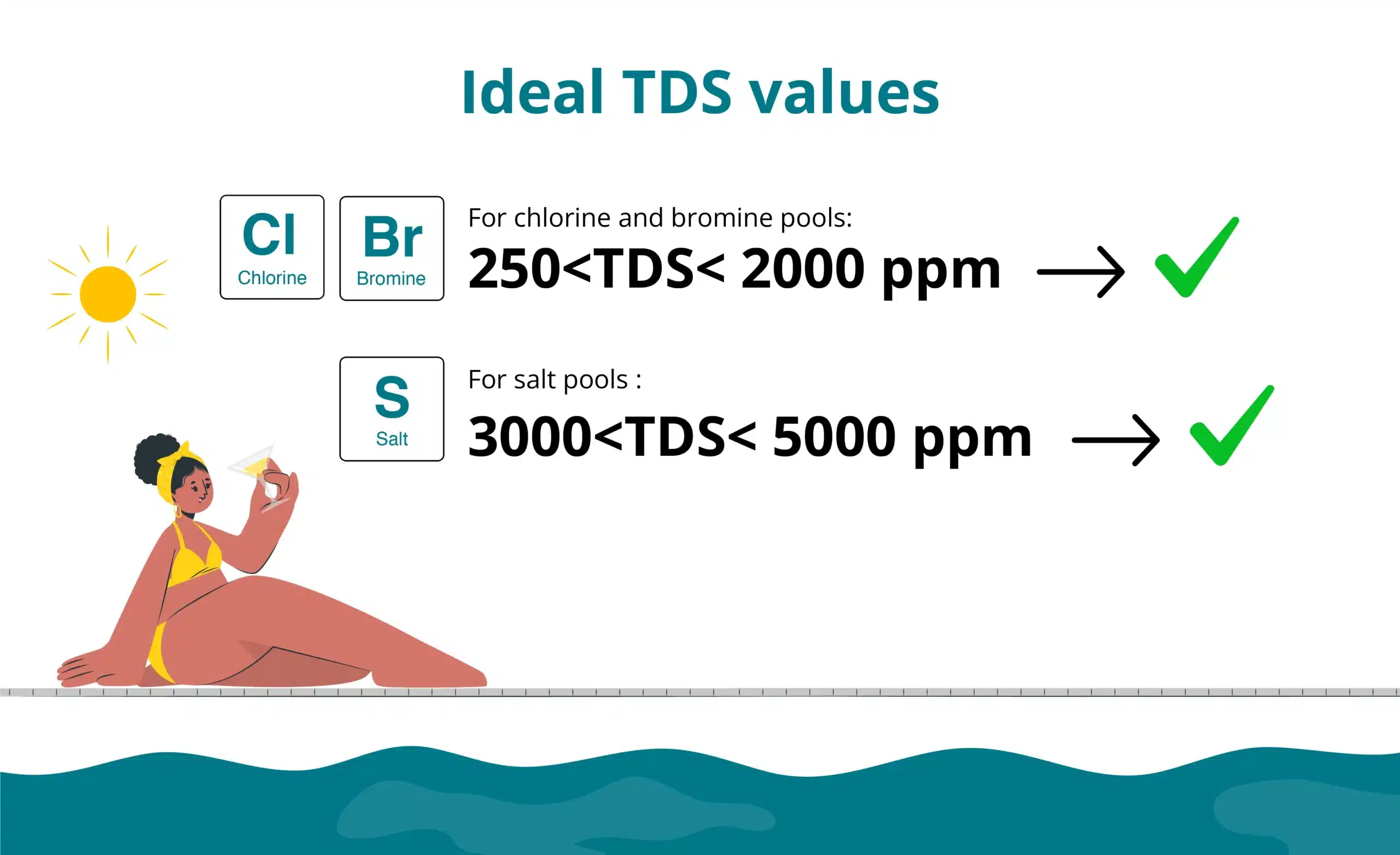
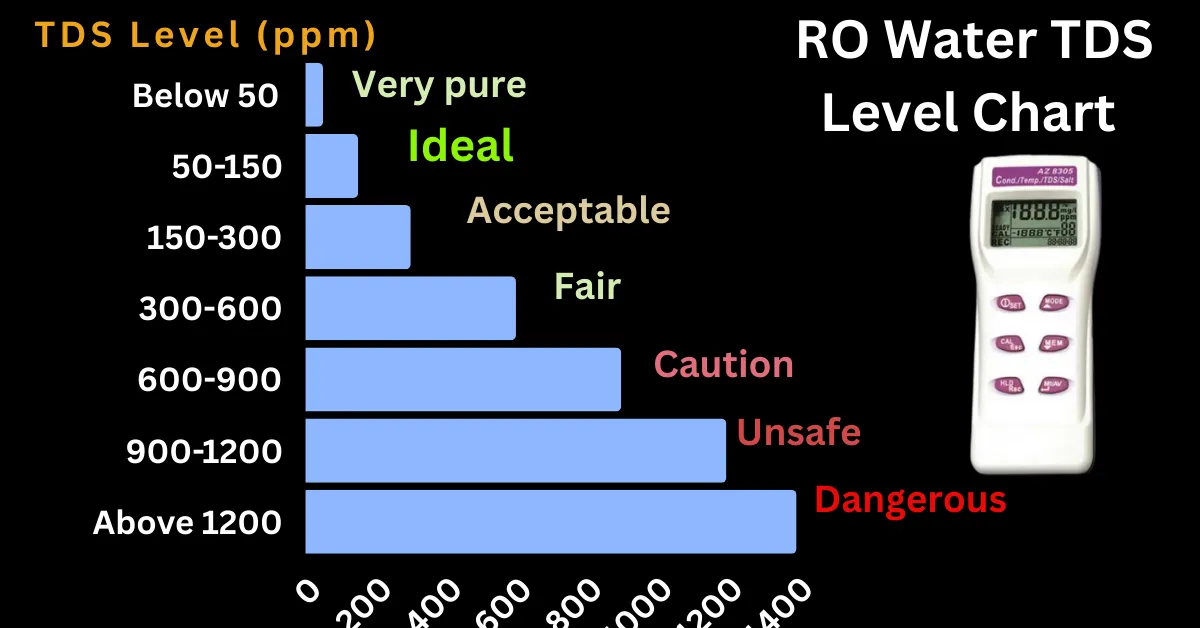
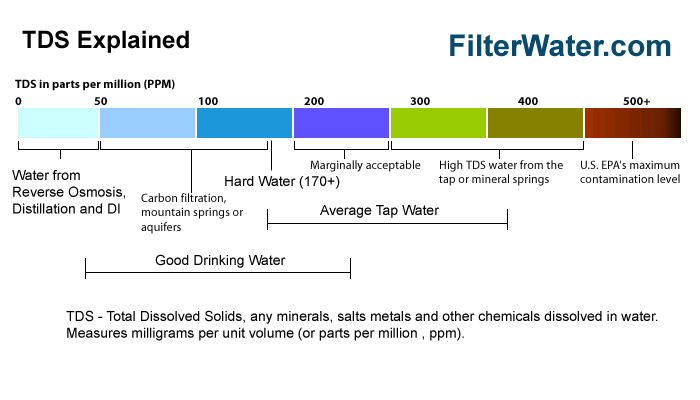
Tap water typically measures between 200 to 400 parts per million (ppm) of dissolved solids. A healthy pool should stay under 1,500 to 2,000 ppm. Once you cross 3,000 ppm, your water starts tasting like a bad relationship—slightly acidic, regretful, and you know it’s time to walk away.
But here’s the twist: saltwater pools run at much higher TDS, usually 3,000 to 4,000 ppm, because they use dissolved salt to generate chlorine. So a saltwater pool owner can’t panic at a high TDS number unless it’s over 6,000 ppm. That’s the pool equivalent of a salt-lick—good for deer, terrible for your hair.
 What Should Be The Tds Of Bathing Water
Wondering how to measure TDS? Buy a TDS meter—it looks like a weird thermometer for aliens but costs about $15 online. Dip it in, scream at the number, then decide if you need to drain. Or, if you’re old-school, you can lick the water and guess. Do not recommend. Your tongue will judge you.
What Raises TDS? (The Usual Suspects)
Everything you put in the pool. Chlorine tablets, shock treatments, algaecides—they all add solids. Even if you use the crystal-clear tablets of a magical unicorn, they still leave behind a dissolved salt residue. It’s like the universe hates clear water.
Then there’s you. Bathers are TDS factories. Every splash of sunscreen, every dab of lotion, every flake of skin—thank you for your contributions, they all add up. Next time a kid pees in the pool, just remember you’re not just getting urine; you’re getting a TDS bump. You’re welcome.
Rainwater can actually lower TDS (because it’s pure-ish), but if you live near the ocean, you get salts blown in. And if you have a cover, evaporation concentrates dissolved solids—your pool shrinks but the crud stays. It’s like concentrating a broth.
When Should You Test TDS?
Every month, ideally. Some pros say every season. I say test whenever your water starts looking a bit tired—like it needs a nap and a juice cleanse. Or test when you shock it and the chlorine doesn’t stick around longer than a bad joke at a funeral.
 What Should Be The Tds Of Bathing Water
Also test after a heavy rain or a pool party. If you had twenty sun-baked, sunscreen-slathered adults cannonballing for three hours, your TDS is probably higher than their blood alcohol content. Drain accordingly.
One more fun fact: some desert regions have tap water TDS as high as 1,000 ppm right out of the hose. So if you’re filling a pool in Arizona, you’re already halfway to “yikes” before anyone even dives in. Nature is a comedian with terrible timing.
The Bottom Line on TDS
TDS isn’t the bad guy—it’s just the pool’s internal spam folder. Ignore it, and you’ll wonder why your water feels “heavy” and smells like a science experiment gone wrong. Pay attention, and you can plan a partial drain before hair turns green and eyeballs feel like sandpaper.
So don’t stress. Get a TDS meter, check your levels, and if you’re over 2,000 ppm (non-saltwater pool), grab a garden hose and start draining. Your pool will thank you by looking like a postcard again. And your neighbors will stop pretending your pool is “artistically stained.”
Now go forth and dissolve your solids—or at least acknowledge they exist. Your pool water wants to be wine, not a thick smoothie. Let it be wine. Cheers.
