What Is A Backwash Filter

So, you’re here because you googled “backwash filter,” and now your brain is picturing a tiny, grumpy plumber spitting mouthwash into your pipes. Relax. It’s way less gross an...

So, you’re here because you googled “backwash filter,” and now your brain is picturing a tiny, grumpy plumber spitting mouthwash into your pipes. Relax. It’s way less gross and way more brilliant than that. A backwash filter is essentially a self-cleaning bouncer for your water, kicking out dirt and sediment without you lifting a finger.
Think of it as the lazy genius of the plumbing world. It sits there, quietly filtering your water, until it gets too clogged with crud. Then, instead of making you take it apart and scrub it (who has time for that?), it does a little internal party trick called “backwashing.” It reverses the water flow, flushing all the gunk down a drain, and then goes back to work like nothing happened.
How This Magic Actually Works (Hint: It’s Not Wizardry)
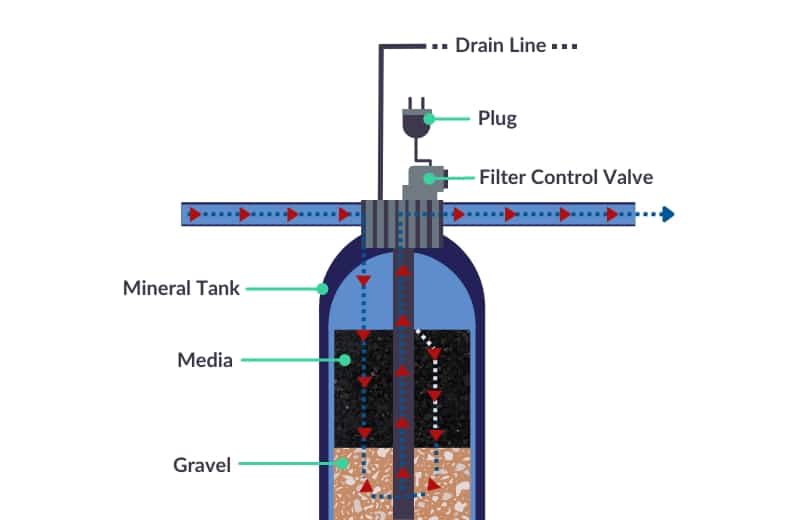
Inside the filter is a big tank of special media—usually sand, gravel, or crushed glass. Water flows down through this media, trapping all the nasty bits—rust, dirt, silt, decaying leaves, your ex’s bad vibes. The clean water then flows up and out to your taps.
Must Read
After a while, that media gets packed with crud, like a teenager’s brain during a math test. The filter notices the pressure drop and says, “Time for a rinse cycle, folks!” A valve spins, and suddenly water rushes upward, violently shaking the media loose and blasting the gunk out a separate waste pipe. That’s the “backwash” part—water going backward to wash itself.
It takes about 10 minutes, uses a few dozen gallons of water (about the same as a single shower), and then BAM—your filter is fresh again. It’s like a self-cleaning oven, but for your well water, and it doesn’t smell like burnt meatloaf.
The Surprising Fact That Will Make You The Life Of Any Pool Party
Here’s the kicker: backwash filters aren’t just for homes on wells. They’re also the unsung hero of swimming pools, aquariums, and even some city water systems. A single pool backwash filter can save up to 10,000 gallons of water per year compared to just dumping and refilling the whole pool. That’s enough water to fill a clown car… about 4,000 times.
 What Is Backwash Water Filter at Hector Myers blog
And get this: the waste water from backwashing is actually great for your lawn. It’s not toxic—just dirty. So you’re basically telling your gross, tired filter, “Go water the petunias, you magnificent beast.” It’s the circle of life, but with more plumbing and less Elton John.
Why You’d Actually Want One (Besides Being A Plumbing Nerd)
If you have well water, you probably already know the pain of brown-tinted laundry and a shower that smells like a wet dragon. A backwash filter removes iron, sulfur, and manganese—the three horsemen of the awful-water-pocalypse. Without it, your white socks turn orange, and your coffee tastes like a rusty shovel.
Another reason: low maintenance. I mean, super low. Most models only need you to check the media once every 5–10 years. That’s less frequent than you’ll need to replace your phone charger, and with far fewer mysterious dents in your wallet. You just set a timer, and the filter throws its own little cleaning party while you sleep.
It also lasts forever. The tank is usually made of fiberglass or stainless steel. One company claims their filters can outlive your pet tortoise—and tortoises live for 150 years.
 In-depth Analysis of the Working Principle of Backwash Filter - Filson
The One Weird Downside (Because Nothing Is Perfect)
Okay, confession time: backwashing creates a sudden rush of water down your drain. If you have a septic system, that mini-flood can upset the delicate bacterial balance. It’s like throwing a frat party in a library. Most pros suggest using a metered valve that backwashes at 2 AM, when nobody is flushing a toilet or running a wash.
Also, the initial cost stings a little—anywhere from $400 to $2,000 for the unit plus installation. But compared to buying bottled water for the next decade, or hiring a service to haul out your rusty sand every year, it pays for itself faster than you’d think. And hey, you’ll never have to wrestle a sodden, stinky filter cartridge ever again.
The Final, Overly Dramatic Verdict
A backwash filter is like having a tiny butler with a terrible sense of timing. He shows up in the middle of the night, makes a racket, flushes a bunch of dirty water outside, and then goes back to his closet. You’ll never see him, but your water will taste crisp, your faucets will stop shedding rust flakes, and your showers will smell like happiness instead of a swamp.
So the next time someone says “backwash,” don’t think of pool sputum or embarrassing high school spit-swapping games. Think of a genius, self-cleaning miracle that keeps your water crisp, clear, and free of the literal dirt that life throws at it. Now go forth and impress some friends at a café with this knowledge. You’re welcome.
