How To Lower Tds In Water

So you’ve heard about TDS—Total Dissolved Solids—and now you’re wondering, “What’s the deal with that?” You’re not alone! It sounds like some fancy chemistry term, but really...
So you’ve heard about TDS—Total Dissolved Solids—and now you’re wondering, “What’s the deal with that?” You’re not alone! It sounds like some fancy chemistry term, but really it’s just the measure of all the tiny minerals, salts, and metals chilling in your water.
First, What’s the Big Deal About TDS?
Think of TDS like the personality of your water. Too high, and your water might taste bitter, salty, or metallic—like someone dropped a bag of pennies in your glass. But here’s the interesting part: a little TDS can be good, kinda like how a pinch of salt makes a dish pop.
Most tap water sits somewhere between 100 and 300 parts per million (ppm). When you start creeping above 500 ppm, you might notice a weird film on your tea or a funky aftertaste in your coffee. That’s when lowering TDS becomes a fun little science experiment for your kitchen.
Must Read
Why You’d Want to Lower It (Besides Taste)
Lower TDS doesn’t just make your water taste cleaner—it also helps your appliances live longer. If you’ve ever seen white crusty buildup on your kettle or faucet, that’s TDS (specifically calcium and magnesium) saying “hello.”
Plus, if you’re into gardening, lower TDS water can make your plants happier, especially finicky ones like orchids. Remember: we’re not trying to make water totally dead—just balanced enough to feel crisp and refreshing.
Your Chill Guide to Lowering TDS at Home
1. The Classic: Distillation
This is the granddaddy of water purification. You boil water, catch the steam, and let it condense back into liquid. It’s like earth’s water cycle in a pot.
Distillation removes almost everything—minerals, bacteria, you name it—bringing TDS close to zero. But be warned: it’s slow and thirsty for energy. You’ll feel like a mad scientist, and your water will taste a little flat, so you might want to add a pinch of Himalayan salt afterward.
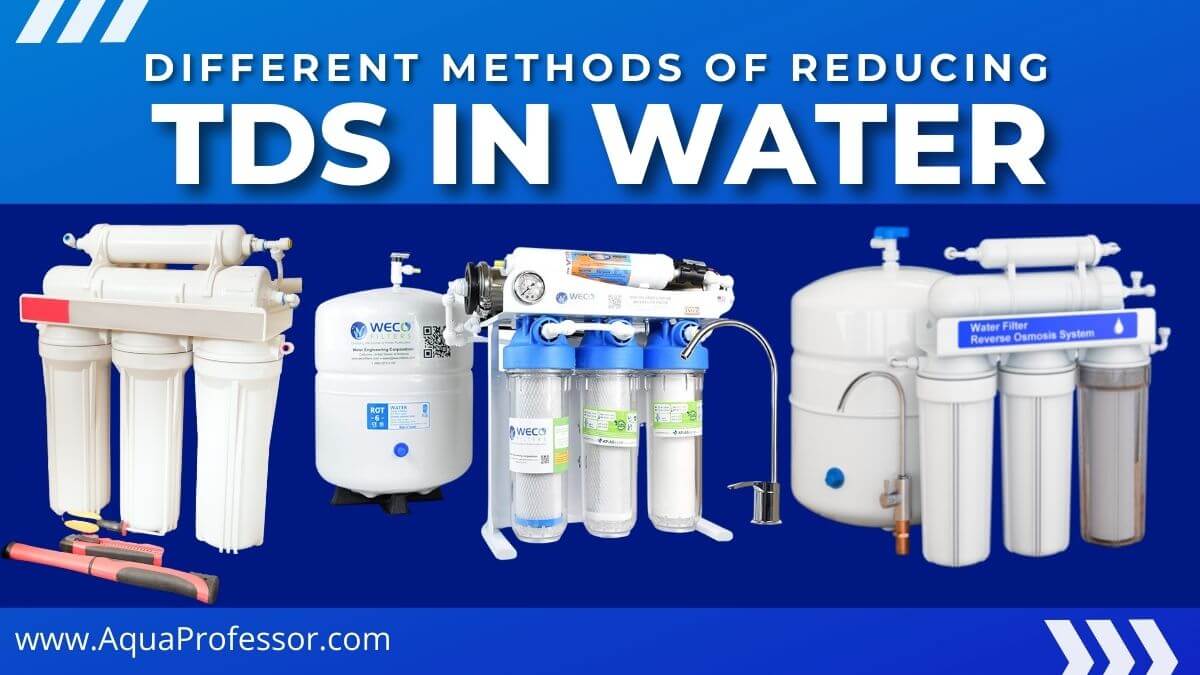
2. The Workhorse: Reverse Osmosis (RO)
If distillation is a slow Sunday, reverse osmosis is your efficient Tuesday morning. It uses pressure to push water through a super-fine membrane that blocks most dissolved solids. RO systems can slash TDS from 300 ppm down to 10-20 ppm.
 How to Reduce TDS in Water-5 Key Methods! : r/SimPureWaterFilter
It’s a bit of a setup—under-sink units cost a couple hundred bucks—but it’s the gold standard for home use. You’ll get water so clean it might taste like you’re sipping from a mountain spring. Pro tip: many RO systems add back basic minerals, so you don’t lose that crispness.
3. The Low-Key Option: Deionization (DI)
Ever seen those fancy fish tanks or car-wash supply shops? They use deionization. It works by swapping charged particles (like calcium) for hydrogen and hydroxide, which then form pure water. It’s like a magical swap meet for ions.
DI is brilliant for small batches—like for your espresso machine or a humidifier—but it can get expensive for daily drinking. Also, DI water is so pure it can pull minerals from your pipes, so only use it when you really need that low TDS fix.
4. The Old-School Trick: Boiling and Cooling
Here’s a fun fact: boiling water won’t actually remove TDS; it just kills germs. But if you let boiled water cool completely, some minerals settle at the bottom. Carefully pour off the top (decant it, as the nerds say) and you’ll have slightly lower TDS water.
This method is free and easy, but don’t expect a miracle—you’ll only drop TDS by about 10-15%. Still, it’s a good party trick at a camping trip.
 How to Reduce TDS in Water at Home-Get 5 Ways!
But Wait—Is Low TDS Always Better?
Not exactly. Water with zero TDS can taste weirdly lifeless, like drinking from a plastic bottle that’s been sitting in the sun. Some studies even suggest that very low TDS water might leach minerals from your body over time.
The sweet spot for most folks? Between 50 and 150 ppm. That’s where water feels light, tastes clean, and still has a whisper of calcium or magnesium to keep your body happy. Your goal isn’t to strip everything—it’s to find the Goldilocks zone.
How to Test Your Progress (Without a Lab Coat)
Grab a cheap TDS meter online for about $15. They look like a little thermometer with a metal tip. Dip it in your water, and it gives you a number instantly. It’s oddly satisfying, like checking the weather on your phone.
Test your tap water first, then test after each method. You’ll see the number drop, and you can adjust until it feels right. It’s science, but, like, the fun kind.
Keep It Simple, Keep It Curious
Lowering TDS doesn’t have to be a chore. It’s a playful exploration of what’s in your glass and how to make it taste exactly how you like it. Start with boiling and decanting, try a small RO system, or just appreciate the minerals your tap water brings.
Ultimately, the best water is the one you enjoy drinking. So go ahead, experiment, and don’t overthink it. Your kettle and your taste buds will thank you.
