How To Get Water Softener

You know that feeling when you step out of the shower, and your skin feels tight like a drum? Or you wash a glass, and it dries with those stubborn, chalky spots? Yeah, that’s...
:max_bytes(150000):strip_icc()/installing-a-water-softener-2718669-FINAL-1-ee8de137dcf84b5db1e28f84a7dec11b.png)
You know that feeling when you step out of the shower, and your skin feels tight like a drum? Or you wash a glass, and it dries with those stubborn, chalky spots? Yeah, that’s not just bad luck. That’s hard water waging a tiny, annoying war in your home.
Hard water is basically regular water packed with extra minerals—mostly calcium and magnesium. It’s not dangerous to drink, but it’s a total buzzkill for your appliances, your skin, and your hair. Getting a water softener is like hiring a bouncer who politely shows those minerals the door.
Why should you care? Let’s talk about your shampoo.
Have you noticed your hair feels a bit stiff or dull after washing? That’s hard water reacting with your soap, leaving a film. It’s like trying to clean a greasy pan with cold water—it just doesn’t work the same.
Must Read
A water softener changes that. You’ll suddenly realize your shampoo lathers like a dream, and your skin feels soft without needing a gallon of lotion. It’s the difference between a scratchy towel and a fluffy cloud.
And your coffee maker? It will stop sounding like a dying robot after a few months. Less mineral buildup means your kettle, dishwasher, and washing machine live longer, happier lives.
Okay, so how do you actually get one?
First, don’t panic. You don’t need a chemistry degree. Start with a simple water test. You can buy a cheap test strip at the hardware store, or call a local company. They’ll tell you how hard your water is on a scale of “not bad” to “yikes, that’s a lot of rocks.”
If your water is moderately hard—say, over 7 grains per gallon—you should consider a softener. Think of it like putting on a light jacket in a drizzle: you don’t need a parka yet, but you’ll be glad you have it.
If it’s above 10 grains? That’s a heavy rain. You definitely want a system.
 How to Install a Water Softener: 15 Steps (with Pictures)
Pick your fighter: salt-based vs. salt-free
Most people go with a salt-based water softener. It’s the classic choice. It uses salt to swap out the hard minerals for soft sodium. It’s effective, reliable, and like that old pair of jeans you trust for any adventure.
The downsides? You have to buy bags of salt every month (about 40–50 pounds). It’s a bit of a chore, but so is laundry, and at least this one gives you silky water. Plus, you’ll become the neighborhood salt-bag wizard.
There’s also salt-free conditioners. They don’t actually remove minerals; they just change their shape so they don’t stick to pipes. It’s lower maintenance, but it’s not as powerful if your water is very hard. Imagine a gentle bouncer who just asks the minerals to behave nicely.
Renting vs. buying: the eternal question
If you rent a home, or you’re a bit hesitant, renting a water softener is a smart move. You pay a small monthly fee, and if something breaks, the company fixes it. It’s like having a Netflix subscription for your water—easy, worry-free, and you can cancel if you move.
Buying one outright is cheaper in the long run, but requires a bigger upfront cost. It’s like adopting a pet vs. fostering one. If you plan to stay in your house for years, buying is a solid investment.
Don’t forget to measure your space! Most softeners are about the size of a small trash can. You’ll need a spot near your main water line, ideally where you can add salt easily.
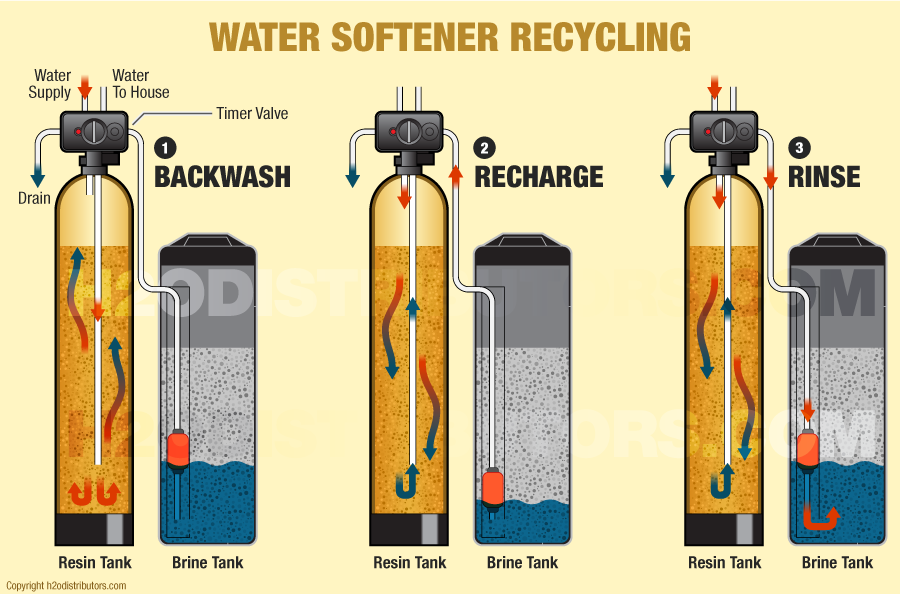 How To Get My Water Softener To Work at Leo Bunker blog
Installation: scary or simple?
Honestly, if you’re handy, you can install a simple system yourself. There are plenty of online videos that show you how to hook it up like plumbing Legos. But if words like “pipe wrench” make you nervous, call a pro. A plumber can often do it in under two hours.
The installation cost is usually between $200 and $500. Think of it as paying a nice person to turn off your water, make a few cuts, and then hand you a glass of silky-smooth tap water.
After that, your job is just to check the salt level once a month. When it gets low, add a bag. It’s that easy.
Wait, does softened water taste weird?
Some people say it tastes a little “slippery” or salty at first. It’s true—you’re adding a tiny amount of sodium. But it’s usually less salt than a slice of bread. If you’re really worried, you can install a separate tap for drinking water, like a reverse osmosis system. That way, your coffee gets the soft life, and your drinking water stays pristine.
I promise, after a week, you won’t notice the taste. You’ll just notice how your dishes sparkle, your laundry smells cleaner, and your skin feels like you just had a fancy spa day. And that’s a trade-off worth making.
So go ahead. Test your water, look at a few models, and take the plunge. Your future soft-skinned, appliance-loving self will thank you. You’ve got this.
:max_bytes(150000):strip_icc()/installing-a-water-softener-2718669-FINAL-1-ee8de137dcf84b5db1e28f84a7dec11b.png&description=How+To+Get+Water+Softener)