How To Trace A Water Leak

So there I was, at three in the morning, staring at a wet patch on the ceiling that was slowly expanding into the shape of a sad, soggy cloud. My brain, half-asleep, whispered...

So there I was, at three in the morning, staring at a wet patch on the ceiling that was slowly expanding into the shape of a sad, soggy cloud. My brain, half-asleep, whispered, "Maybe it's just condensation." My gut, however, knew we were in trouble. The quiet drip-drip-drip from the kitchen ceiling was the soundtrack to a nightmare I hadn't signed up for.
That night taught me a valuable lesson: water leaks are sneaky little monsters. They don’t send a text saying, "Hey, I’m about to ruin your drywall." They just show up, uninvited, and start redecorating your home in a very expensive and damp style. But here’s the thing—you don't need to be a plumber to find them. You just need to think like a detective with a very wet clue.
The "Shut It All Down" Method
Before you start tearing up your floorboards like a maniac, take a deep breath. The first step is to eliminate the obvious suspects. Go to your main water shut-off valve—usually near the water meter or where the main line enters your house—and turn it off. (You do know where that valve is, right? If not, maybe go find it before you finish reading this article. I'll wait.)
Must Read
Now, after thirty minutes, check the water meter again. If the little triangle or dial is still moving, you have a leak between the meter and your house. That’s a professor-level problem that usually involves calling a professional. But if the meter is still, the leak is inside your home. Congratulations—you’ve just narrowed it down. See? You’re already a plumbing detective.
The Listening Game (Or: "Is That a Rainforest in My Wall?")
Grab a mechanic's stethoscope—or, if you’re like me, a empty glass jar pressed against the tile floor. Place it against your pipes, the drywall, or the floor in the area you suspect is wet. Listen for a hissing sound or a rhythmic drip. I once followed a faint "shhhhh" sound all the way to a toilet that was running silently. It felt like finding a ghost that only wanted to waste water.
 How to Detect Water Leaks in Walls: 13 Steps (with Pictures)
Don't rely just on your ears, though. Water is a cunning foe. It can travel along joists and beams for feet before it decides to drip down on your favorite rug. Always check the area directly above the stain, but also look a few feet to the left or right. Water doesn't take the shortest route; it takes the path of least resistance. And it loves to play hide-and-seek.
The "Tissue Test" for Wandering Drips
Here’s a trick that feels like magic but is just basic physics. Take a dry paper towel or tissue and lay it flat on the suspected area. Then, wait. If it gets wet in one specific spot, you've found the exact point of entry. If the whole tissue becomes a soggy mess, you have a larger issue—or the water is just spreading out like a bad rumor.
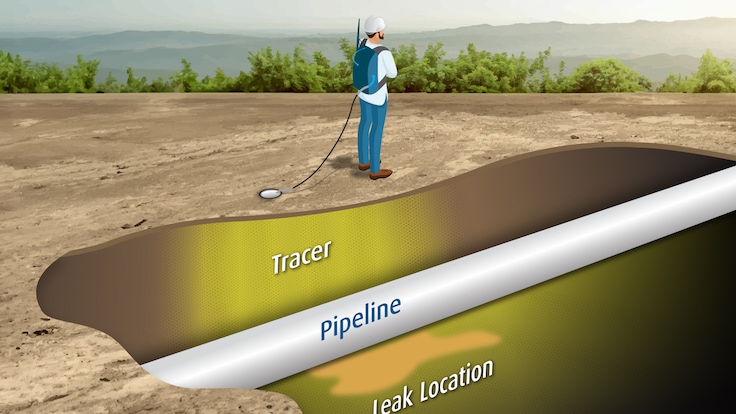
Now, for outdoor leaks, things get a little more wild west. Look for patches of grass that are greener and more vibrant than the rest of your lawn. It sounds ironic, but a leaky sprinkler line makes for a very happy patch of moss. Also, check for puddles that appear when it hasn't rained for days. If you see a mysterious puddle near your foundation, that’s your cue to start digging—or, you know, hire someone who enjoys digging.
 | Linde
The "Dye" Gambit (For Toilets, Because They Are Evil)
Toilets are the biggest drama queens when it comes to leaks. To test if your toilet is silently weeping, drop a few drops of food coloring (red or blue works best) into the tank. Wait ten minutes. If the color shows up in the bowl without anyone flushing, you have a leaky flapper. That’s a five-dollar fix that could save you a hundred on your water bill. Your toilet is basically stealing from you. Call it out.
If you’ve done all this and you still can’t find the leak, don't panic. Some leaks are ninjas. They hide in slab floors, behind shower panels, or inside walls. In that case, your best tool is the "listen and look" method, but eventually, you may need a thermal camera or a leak detection service. Yes, it’s annoying. But so is living in a swamp.
Remember, water damage is a slow poison. The sooner you find the leak, the less mold you’ll have to apologize to your landlord or your home insurance agent about. And hey, even if you don’t find it yourself, you’ll have one heck of a story to tell over coffee. Just maybe don’t serve that coffee under the wet patch on the ceiling. Trust me on that one.
