Why Is Ozone Bad For You

You might think of ozone as that pristine, crisp smell after a thunderstorm, that hint of “clean” in the mountain air. But here’s the plot twist: that’s just the cool, high-al...
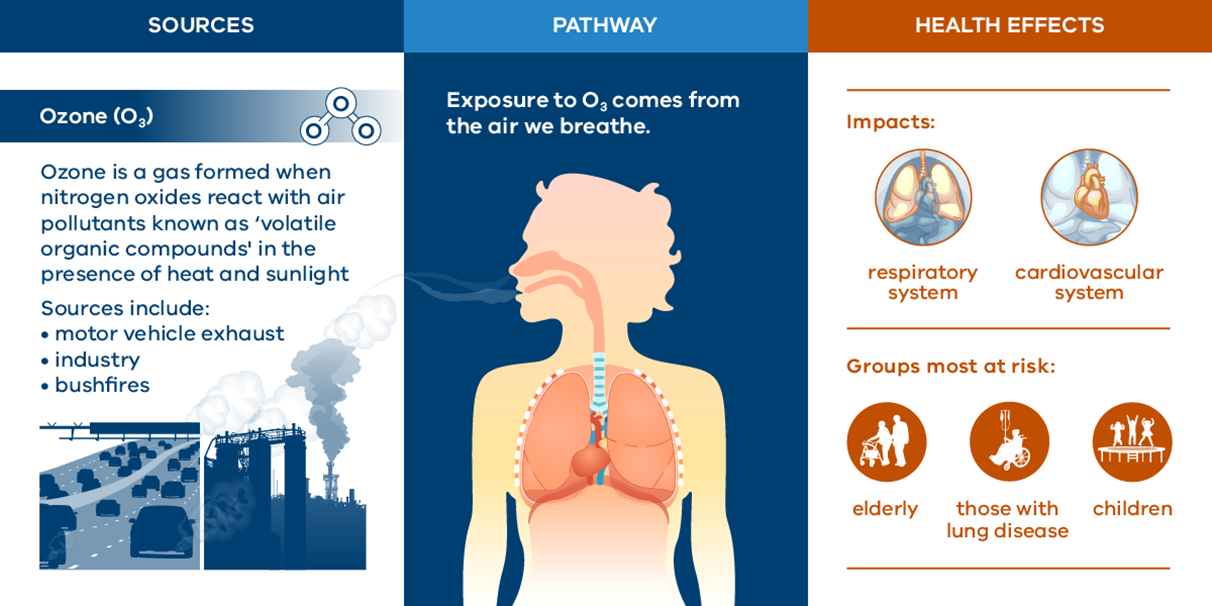
You might think of ozone as that pristine, crisp smell after a thunderstorm, that hint of “clean” in the mountain air. But here’s the plot twist: that’s just the cool, high-altitude version. The ozone you actually breathe—the stuff lurking near the ground—is less of a spa treatment and more of a silent party crasher for your lungs.
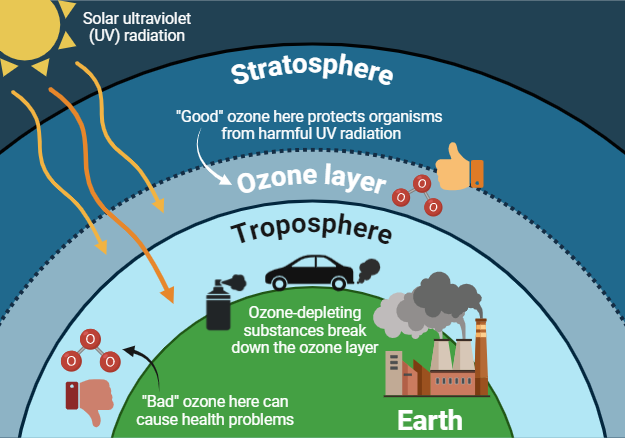
Think of it this way: ozone is a chemical chameleon. Up in the stratosphere, it’s a hero, shielding us from harmful UV rays. Down at street level, it’s a villain—a corrosive gas that doesn’t play nice with your respiratory system. It’s basically the “it’s complicated” relationship of atmospheric chemistry.
The Science of the Burn
Ground-level ozone isn’t emitted directly. It’s a photochemical problem child, born when sunlight cooks a cocktail of pollutants from car exhaust, industrial fumes, and even gas-powered lawn equipment. Think of it as the sun’s unflattering filter on humanity’s exhaust pipe.
Must Read
When you inhale this reactive gas, it doesn’t just pass through. It hits your lung tissue like a chemical scrub, causing inflammation, coughing, and a raw, scratchy throat. Imagine a sunburn—but on your insides. That’s the feeling, minus the tan.
For the average person, a high-ozone day feels like a mild allergy attack. But for kids, the elderly, or anyone with asthma or COPD, it’s a serious trigger. Studies link long-term exposure to reduced lung function and even permanent scarring.
The “Smell of Clean” is a Lie
That fresh, electric scent after a storm? It’s actually ozone created by lightning splitting oxygen molecules. It’s a tiny, fleeting dose. The real problem is the chronic, invisible haze that settles over cities on hot, still afternoons.
Fun fact: Los Angeles used to call it “smog,” but the main culprit is specifically ozone. In 2023, the American Lung Association gave over 120 million Americans a failing grade for ozone pollution. It’s not just a California thing—it plagues Denver, Houston, even New York.
And here’s the cultural kicker: that “fresh” smell you love from your office air purifier? Many ionic purifiers actually produce ozone as a byproduct. The EPA has flagged them as potentially hazardous. Your “clean air” machine might be giving your lungs a low-grade chemical swirl.
 Khan Academy
Practical Tips for the Urban Air Breather
You can’t build a personal air bubble (yet), but you can outsmart the ozone layer at ground level. Check the Air Quality Index (AQI) daily—anything over 100 (orange) is a sign to dial back outdoor exercise. Morning jogs are better; ozone levels spike in the afternoon heat.
If you must go out on a high-ozone day, wear a mask—but not just any mask. N95s or KN95s help, but they’re better at filtering particles than gases. For real ozone defense, look for masks with activated carbon layers. They’re the stylish, functional accessory you didn’t know you needed.
Pro tip: Shower after being outside. Ozone can adhere to your clothes and skin, and a quick rinse clears the “chemical coat” off your body. Also, keep your windows closed during peak sunset hours. Cross-ventilation is great, but not when the air is a lung irritant smoothie.
What About Your Home?
Your indoor air can be up to five times more polluted than outdoor air—and ozone can seep in. Invest in a HEPA filter for your bedroom. They don’t remove ozone directly, but they capture the precursor compounds (VOCs) that react with indoor air.
Skip the “ozone generators” sold for odor removal. They are basically lung scrubbers in a box. The California Air Resources Board calls them “a significant public health concern.” Stick to baking soda and vinegar for odors—your lungs will thank you.
Fun fact: Plants can help—but not in the way you think. Spider plants and snake plants absorb VOCs, reducing the “fuel” for ozone formation. It’s not a cure, but it’s a green, Instagram-worthy step.
 Learn More | Ozone Garden
The Bigger Picture: Why We Should Care
Ozone isn’t just a personal health issue; it’s a climate justice one. Low-income neighborhoods near highways and industrial zones get the worst hits. A 2022 study found that communities of color in the U.S. are exposed to 37% more ozone than predominantly white areas. That’s not just pollution—that’s structural inequality baked into the air.
On a lighter note, ozone is why your grandparents’ “fresh air” advice was actually wrong in summer. Back in the 1970s, people thought smog was just “haze.” Now we know it’s a chemical time bomb. The upside? Awareness is power.
You can vote with your choices: bike instead of drive, use electric lawn tools, and support clean energy policies. Every reduction in fossil fuel use chips away at the ozone-making recipe. Small habits, big impact.
A Final, Breathable Reflection
Next time you step outside on a hazy afternoon and feel a tightness in your chest, don’t ignore it—listen to it. Your body is a sophisticated sensor. That little cough or scratchiness is a whisper from your lungs: “Hey, maybe reschedule that run for tomorrow morning.”
Ozone is a reminder that the air we take for granted is a shared, fragile gift. It’s not about being paranoid—it’s about being present. Check the AQI. Take a walk at dawn. Breathe deep when the air is clear, and give your lungs a break when it’s not.
Because in the end, the best air you’ll ever breathe is the air you pay attention to. And that’s a little bit of wisdom you can carry with you—no mask required.
