Does Uv Light Kill Germs

So, you’ve heard the buzz: UV light kills germs. It sounds like something out of a sci-fi movie, right? Like zapping a flu virus with a tiny, invisible lightsaber. Well, grab...

So, you’ve heard the buzz: UV light kills germs. It sounds like something out of a sci-fi movie, right? Like zapping a flu virus with a tiny, invisible lightsaber. Well, grab your sunscreen and your sense of humor, because we’re about to dive into the weird, wonderful world of ultraviolet warfare.
What Even Is UV Light? (Spoiler: It’s Not a Tan)
First, let’s get our science nerd on, but keep it breezy. UV light—ultraviolet, for the fancy folks—is a type of energy that sits just beyond the violet end of the rainbow. It’s like the rebellious cousin of sunlight that can actually do some damage.
Think of it this way: regular light is a friendly wave from across the street. UV light is that same wave, but it’s carrying a flamethrower. And that flamethrower is incredibly good at turning germs into microscopic toast.
Must Read
There are three types: UVA, UVB, and UVC. UVA gives you a tan (cue the “I look like a lobster” stories). UVB gives you a sunburn. But UVC? That’s the germ-killing ninja we’re here to talk about.
How UVC Turns Bacteria Into Dust Bunnies
Here’s the surprising part: UVC light doesn’t just annoy germs—it destroys their DNA. Imagine a burglar trying to pick a lock, but the lock suddenly melts. The germ’s genetic code gets scrambled, like a DJ dropping a record after too many espresso shots.
Once that DNA is fried, the germ can’t reproduce. It’s basically dead, or as close to dead as a microscopic blob can be. It’s not magic, but it’s close enough to make a wizard jealous.
But here’s the kicker: UVC light is really, really bad for living things. Like, skin-cancer bad. So don’t go sunbathing under a UV lamp unless you want to look like a raisin with a PhD in regret.
The Wild, Weird History of UV Germicide
Believe it or not, we’ve been using UV light to kill germs since the early 1900s. Doctors would shine it on wounds, and milk factories used it to pasteurize milk. Fancy that—your great-grandpa’s milk was zapped by invisible beams!
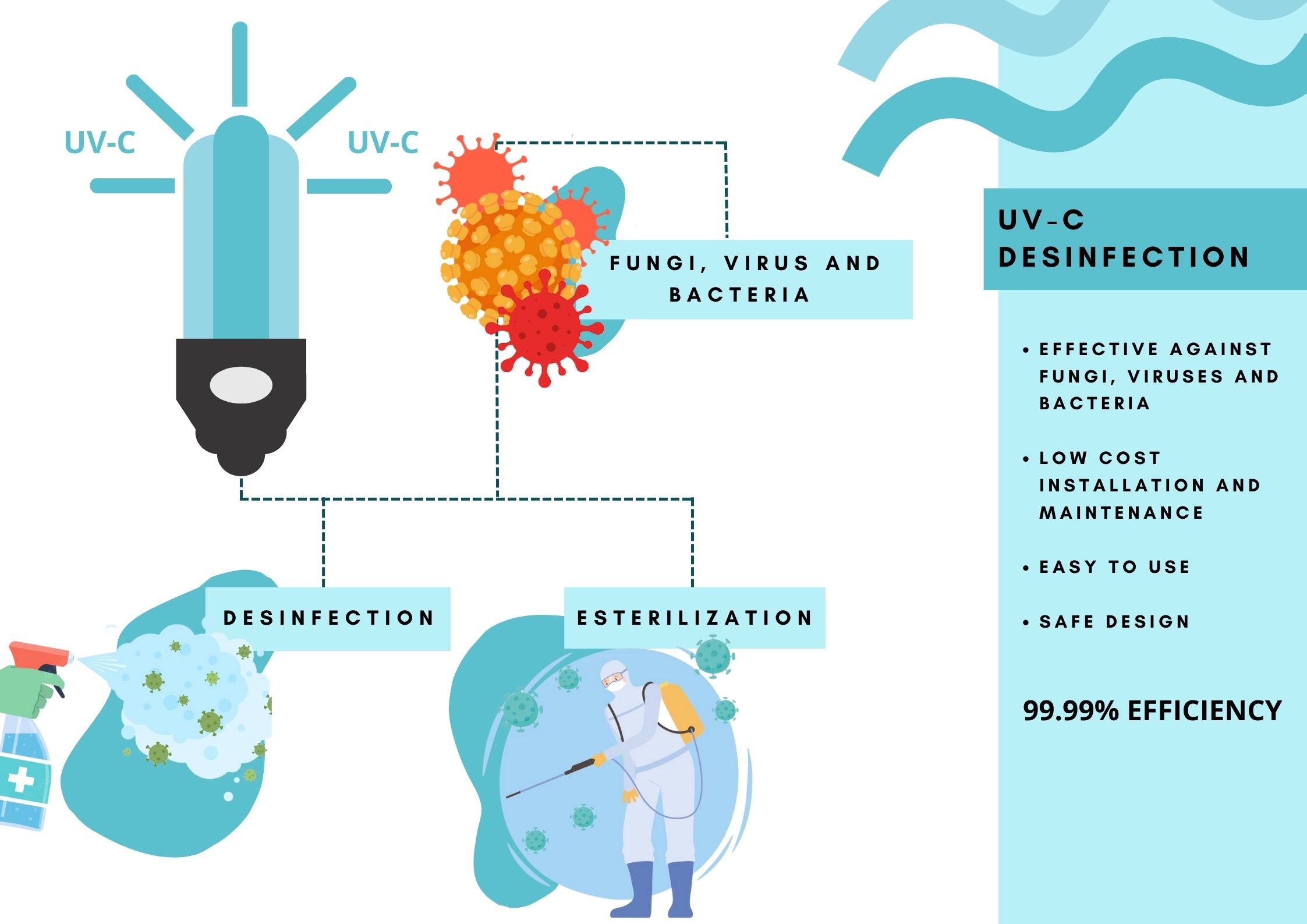
Today, hospitals use UVC robots that look like R2-D2 on steroids. They roll into rooms, shoot light everywhere, and kill 99.9% of nasties. Then they roll out, probably whistling a victory tune.
 Superior Quality Germicidal UVC Lamps | Germiled
And yes, you can buy UV wands for your phone or toothbrush. But beware: not all UV gadgets are created equal. Some are about as effective as yelling at a cold virus to go away.
Does It Work on Everything? (The Honest Truth)
Here’s the fun fact that’ll blow your mind: UV light can kill the coronavirus. Seriously. Studies show that UVC light can zap SARS-CoV-2 (the virus that gives you COVID) in seconds. But wait—it has to be the right kind of UVC, at the right distance, for the right amount of time.
If you wave a cheap UV wand over a doorknob for half a second, you’re basically just giving the germs a gentle tan. It’s like using a water pistol to fight a house fire—cute, but don't quit your day job.
Also, UV light can’t reach germs hiding in shadows or under dust. So that pile of crumbs under your couch? Still a germ-free-for-all. Sorry, not sorry.
The "Wait, Is This Safe?" Moment
If you’re thinking about buying a UV lamp for your living room, stop. Think. Don’t. UVC light can damage your eyes very quickly, like looking at the sun through a magnifying glass. It can also give you a nasty skin burn in minutes.
That’s why most UV sterilizers lock the light inside a box. You put your phone in, close the lid, and then the zapping begins. If you ever see an open UV lamp in someone’s home, run. Or at least put on sunglasses and a hazmat suit.
 Antimicrobial Resistance: Is There a ‘Light’ at the End of the Tunnel?
But don’t panic—the sun’s UVA and UVB are mostly harmless in moderation. The sun is nature’s biggest UV source, and we’ve survived millions of years under it. Just don’t stare at it while humming “Hallelujah.”
Should You Buy a UV Gadget?
Maybe! If you’re a germaphobe with a credit card, a certified UVC device might be worth it. Look for ones that have been tested by scientists (and not just that guy on TikTok with the cat filter).
But remember: UV light is great at killing germs on hard surfaces, but it’s terrible at cleaning your hands, your lungs, or your leftovers. Please, for the love of all that is holy, do not point a UV lamp at your pizza. It won’t kill the bacteria—it’ll just make your pizza glow.
And unless you bought a proper UV air purifier, don’t expect it to cleanse your whole house. That’s like expecting a flashlight to light up a football stadium.
The Bottom Line (A Little Flavor of Truth)
UV light kills germs. That’s a proven fact, backed by real science, not just internet clickbait. But it’s not a magic wand you can wave around while wearing a cape.
Use it wisely, use it safely, and never use it on your cat no matter how many times she sneezes. Remember, the best way to stay healthy is still old-fashioned handwashing and common sense.
So next time you see a UV gadget, smirk wisely. You now know the truth: it’s invisible, powerful, and if you use it wrong, you’ll look like a lobster while fighting a virus. And that’s the funny, scary, wonderful truth about UV light.
