How Does Well Water Work

So, you’ve got a well, or you’re thinking about one. It sounds fancy, like you’re living off the land in a rustic cabin, but really, it’s just a very long, very expensive stra...
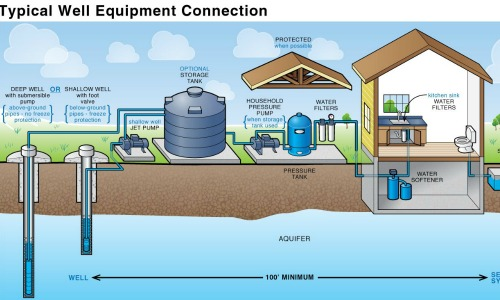
So, you’ve got a well, or you’re thinking about one. It sounds fancy, like you’re living off the land in a rustic cabin, but really, it’s just a very long, very expensive straw. You stick it deep into the ground, and the earth burps up water for your morning shower. That’s the gist, but let’s zoom in on how that magic actually happens.
The Big Picture: It’s Not a Magic Hole
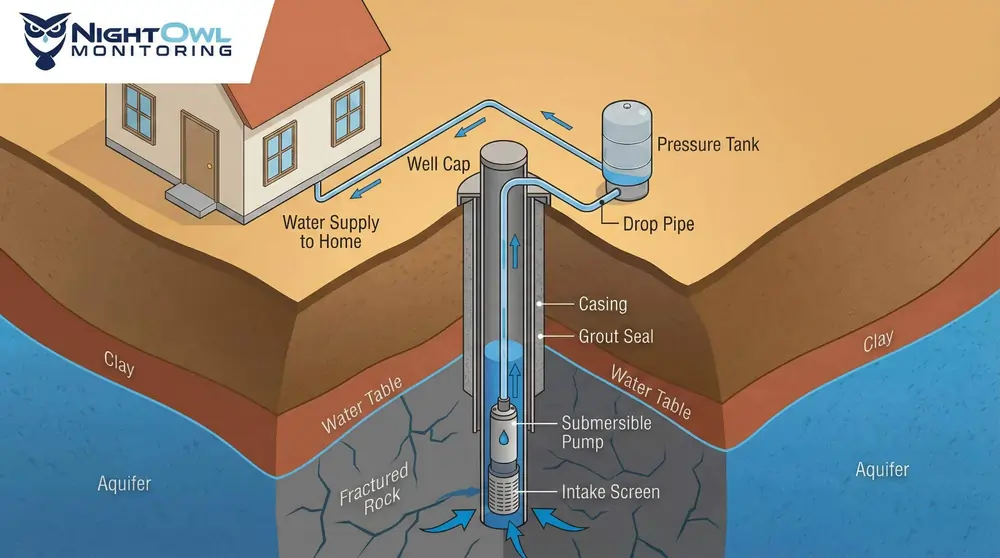
First, forget the idea of an underground lake. Well water doesn’t come from a giant, hidden swimming pool. It comes from aquifers, which are basically layers of sand, gravel, and rock that are soaked like a giant sponge. Your well is just a straw poked into that sponge.
When you turn on your tap, you’re not just asking for water—you’re commanding the earth to give up its secret stash. It’s a bit like asking your grumpy uncle to share his last cookie. He’ll do it, but only because you’ve got the right tool.
Must Read
The Pump: Your Underground Bouncer
The real workhorse is the pump, which lives deep in the well. Think of it as a bouncer at a club, but instead of checking IDs, it’s pushing water up a narrow pipe. If the pump dies, you’re suddenly living in 1850, and you’ll be hauling buckets from a creek.
Most pumps are submersible, meaning they’re underwater, sitting at the bottom of the well like a grumpy toad. It’s a good thing they can’t talk, because they’d probably complain about the dark, damp conditions. They just hum along, 24/7, until the power goes out—then you’re suddenly very popular with your neighbors who have city water.
The Pressure Tank: Your Water’s Personal Assistant
You don’t want the pump to turn on every time you flush the toilet—that would be like a light switch that flickers with every breath. That’s where the pressure tank comes in. It’s a big metal can that stores water under pressure, acting like a buffer.
When you turn on the faucet, the tank pushes water out without waking the pump. It’s the personal assistant of your plumbing system, handling the small requests so the boss (the pump) doesn’t get annoyed. Once the tank gets low, the pump kicks on to refill it, and the cycle repeats, like a very boring, wet sitcom.
 How Does a Water Well Work | Residential Well System Explained
The Well Casing and Screen: The Bodyguards
Your well isn’t just a hole in the dirt—it’s lined with a casing, usually steel or plastic. This casing keeps the hole from collapsing and stops nasty surface water from seeping in. Imagine a giant, hollow straw that’s wearing a tuxedo to keep the mud out.
At the bottom of the casing, there’s a screen that acts like a strainer. It only lets water and tiny particles through, blocking gravel and sand. If that screen gets clogged, your water flow turns into a sad trickle, and you’ll be calling a well doctor. That bill is never fun.
What About Quality? The “Eau de Dirt” Factor
Here’s where well water gets personal. City water is treated, tested, and boring. Well water is wild—it comes straight from the earth, with all the personality of a teenager. It might have iron that turns your sinks orange, or sulfur that smells like rotten eggs. You don’t get that with city water—unless you’re visiting a swamp.
The solution is filtration—a whole system of tanks, filters, and softeners that sit in your basement like a chemistry set. You’ll test your water annually, because your well is a living thing. It’s like owning a pet that drinks from a mud puddle and occasionally burps sulfur. You just learn to love it.
 How Does a Well Work? | Angi
The First Rain: A Rite of Passage
Every well owner remembers the first big rain after drilling. You run outside, peek at your wellhead, and think, “Is it happy? Is it getting fed?” The water level might rise, and your pump works a little easier. It’s a weird joy, but it’s real, like watching your garden grow after a dry spell.
And then there’s the day the power goes out. You realize your toilet won’t flush, and your fridge’s ice maker is a liar. You’ll drive to the store for jugs of water, feeling like a pioneer who lost their wagon. It’s a humbling reminder that your entire water supply depends on a motor sitting in a dark, wet hole underground.
The Verdict: It’s a Relationship
In the end, well water is a relationship. You can’t just pay a bill and forget about it. You have to listen—to the pump cycling, to the pressure tank’s hum, to the faint smell of minerals on your towels. It’s a bit needy, but it’s also free.
You’ll brag to your city-water friends about your “pristine, natural water,” even if your teeth are slightly gray from iron. And when they ask how it works, just smile and say, “It’s like a magic straw, but with more plumbing and less magic.” They’ll nod, and you’ll both laugh, because deep down, everyone knows that water is just a miracle in a pipe.
