What Is Arsenic In Water

You’re standing in your kitchen, filling a glass of water from the tap. It looks clear, tastes fine, and you’ve done this a thousand times. But then—out of nowhere—someone men...
You’re standing in your kitchen, filling a glass of water from the tap. It looks clear, tastes fine, and you’ve done this a thousand times. But then—out of nowhere—someone mentions arsenic in water, and suddenly that glass feels like a prop from a crime scene. Relax. Let’s talk about this in a way that doesn’t require a hazmat suit.
What the Heck Is Arsenic Doing in My Water?
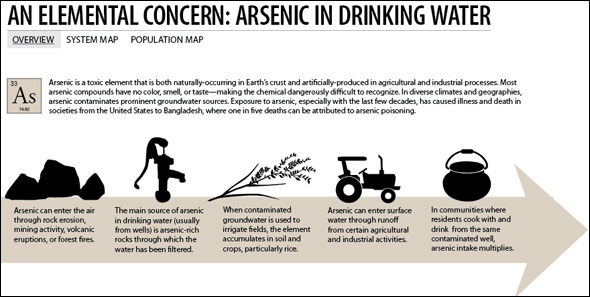
First, arsenic is a natural element found in the earth’s crust. Think of it as that one guest at a party who just shows up without an invitation—it’s always been there, lurking in rocks and soil. When rainwater filters down through those rocks, it can drag arsenic along for the ride right into your groundwater. So no, it’s not some villain sneaking into your tap—it’s more like geology being a bit of a troublemaker.
In small amounts, arsenic is technically everywhere—even in some foods like rice or apple juice. But in drinking water, it’s the quantity that matters, not just its presence. Imagine a pinch of salt in a soup versus a whole handful—one is fine, the other ruins your dinner.
Must Read
Two Flavors of Arsenic: Organic vs. Inorganic
Here’s where it gets nerdy but worth it. Organic arsenic is like the harmless cousin who shows up to family reunions and just eats chips—you barely notice it. Inorganic arsenic, however, is the one who starts arguments and breaks the TV. It’s the type that scientists worry about in water because it can be toxic over time. The spooky part? You can’t see, taste, or smell it. It’s the Michael Myers of contaminants—silent, invisible, and totally uninvited.
Most tap water in developed countries is tested regularly, so the scary stuff is usually kept below safe limits. But private wells don’t get the same VIP treatment—they’re like the Wild West of water sources. If you’ve got a well, you’re basically the sheriff, and testing is your badge.
How Did This Become My Problem?
Picture this: you buy a house with a lovely well, and the realtor says, “Water’s great, just needs a filter.” Six months later, you’re googling “arsenic symptoms” at 2 a.m. after a weird stomach ache. That’s a classic rookie move—most well owners never test for arsenic because they don’t think about it. But over 2 million people in the U.S. drink water with arsenic levels above what’s recommended. It’s not an epidemic—it’s more like a slow drip of something you’d rather not have.
 The Ultimate Guide to Heavy Metals in Drinking Water – Tap Score
Long-term exposure (think drinking it for years) has been linked to issues like skin changes, heart problems, and—in rare cases—cancer. But don’t panic! This isn’t “one glass and you’re doomed.” It’s more like eating too much candy for a decade—it adds up slowly. Your body is actually pretty good at handling small amounts; it’s the constant, low-level gulp that’s the problem.
The “Should I Be Worried?” Scale
If you’re on municipal water from a city or town, you’re probably safe—they test and treat for arsenic as part of their job. Think of them as the security guards of your water supply. But if you’re on a private well, you need to test specifically for arsenic at least once. It’s like going to the doctor for a checkup—you don’t wait until something hurts.
One friend of mine told me she tested her well water after a neighbor mentioned arsenic. She described it as “finding out your cute little cottage has a secret basement full of spiders.” Dramatic? Yes. Accurate? Also yes. She installed a reverse osmosis system under her sink, and now she sleeps like a baby—and her water tastes like nothing at all, which is exactly what you want.
How to Kick Arsenic Out of Your Glass
Good news: you don’t need to move to a mountain or drink only bottled water from Fiji. Simple fixes exist. Reverse osmosis filters are the gold standard—they push water through a membrane that’s so fine, arsenic literally bounces off. It’s like a bouncer at a club who only lets in the cool molecules. Distillation works too, but it’s slower than a DMV line.
 The All-in-One Guide to Arsenic in Drinking Water – Tap Score
Boiling water? Nope. That actually concentrates arsenic because the water evaporates but the arsenic stays. Boiling tea for comfort is fine, but don’t expect it to fix the problem—it’s like using a Band-Aid on a leaky pipe.
Also, check your filter’s label—some basic pitcher filters (like Brita) don’t remove arsenic at all. They’re great for taste but basically just give arsenic a polite nod as it passes through. You need one marked specifically for arsenic reduction or one with a certification from a group like NSF International.
The Takeaway (No Scare Tactics, I Promise)
Arsenic in water is one of those things that sounds terrifying but is usually manageable with a bit of awareness. It’s not a phantom haunting your pipes—it’s a real, measurable thing that can be fixed with the right know-how. Think of it like knowing your car needs oil changes: boring, important, and much cheaper than an engine rebuild.
So, next time you fill that glass, you can smile. Not because arsenic is cool, but because you’ve got the facts—and maybe a good filter. And honestly, that’s better than pretending the problem doesn’t exist. Cheers to that.
