What Is In Bottled Water

So, you’re standing in the checkout line. You grab a bottle of water because you’re thirsty. But have you ever stopped to wonder what’s actually inside that plastic prison? Le...
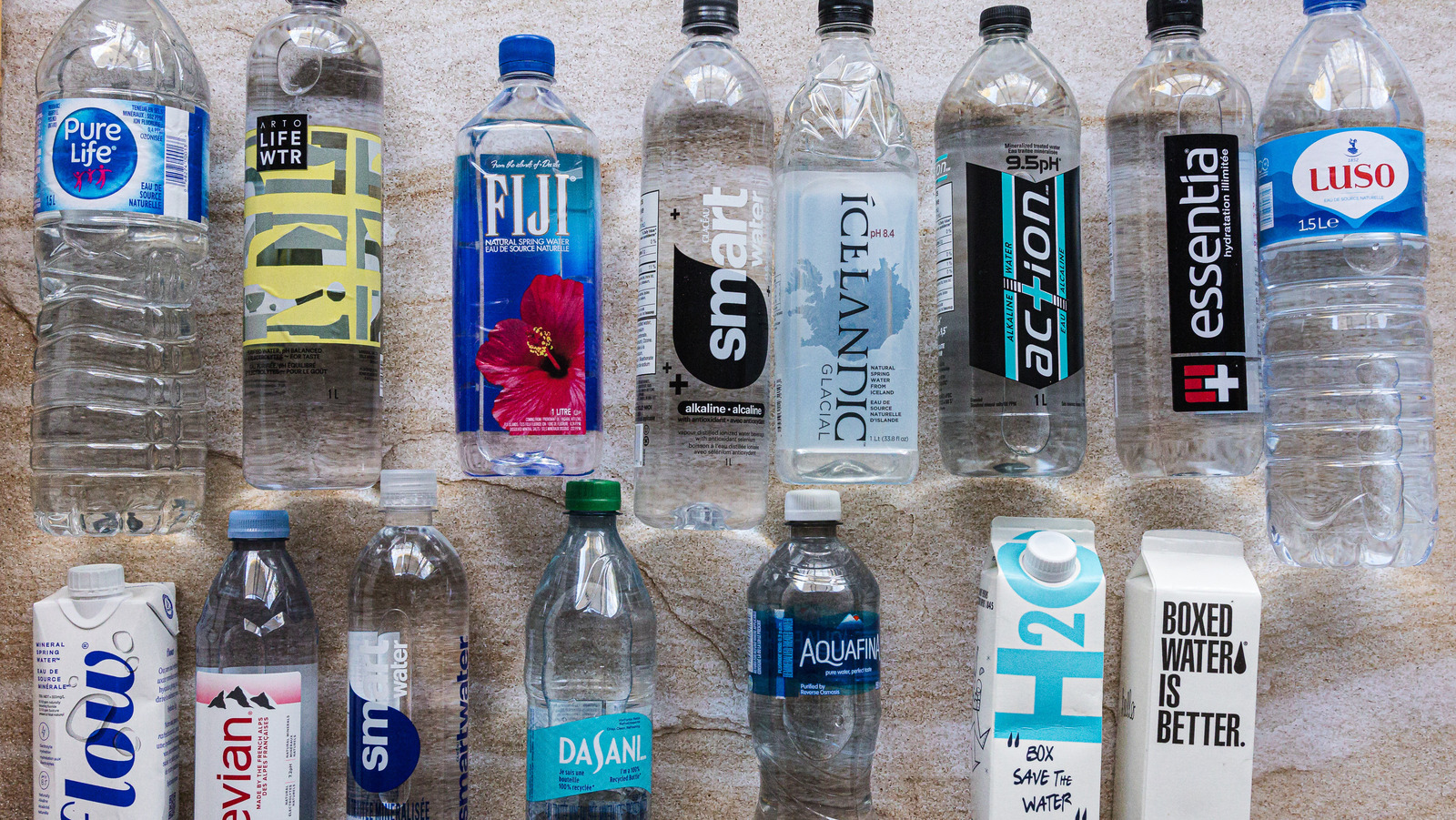
So, you’re standing in the checkout line. You grab a bottle of water because you’re thirsty. But have you ever stopped to wonder what’s actually inside that plastic prison?
Let’s be real: It’s mostly just H2O. But it’s not that simple, is it? The stuff in that bottle has a whole backstory.
First, it could be spring water. That means it came from an underground aquifer. Think of it like nature’s own fancy plumbing, complete with minerals like calcium and magnesium.
Must Read
Or, it might be purified water. This is basically tap water that got a serious makeover. They put it through reverse osmosis, distillation, or some other high-tech spa treatment.
Wait—tap water? Yes! Dasani and Aquafina? Both start as municipal tap water. They just “polish” it until it’s squeaky clean. Shocking, right?
Then there’s mineral water. This stuff comes from a protected source. It has to have a consistent level of minerals—like those fancy salts you see at fancy restaurants.
But here’s the kicker: the bottle itself adds stuff. Plastic leaches chemicals over time, especially if it sits in a hot car. You drink that, not just water.
What about the taste? Oh, we all pretend to be water sommeliers. “This one is crisp! This one is flat!” But it’s mostly mental—or the minerals tricking your tongue.
The Secret Ingredients You Didn’t Order
Bottled water companies love to brag about purity. But they don’t always show you the fine print. Let’s peek behind the label.
Some brands add electrolytes for taste. Yeah, electrolytes—like Gatorade without the sugar. It’s science-y marketing to make you feel hydrated.
Others add fluoride or chlorine by accident. Wait, accidentally? Yep. If the source water has it, they can’t always filter it all out. You’re getting a tiny dose of pool water vibes.
:max_bytes(150000):strip_icc()/20240401-SEA-TasteTests-AmandaSuarez-00-e7b924fdd6f4410596841e9531377ee6.jpg) Top Bottled Water Brands Ranking
Top Bottled Water Brands Ranking
And then there’s microplastics. Studies show that a liter of bottled water can have thousands of tiny plastic particles. Yes, you’re crunching on plastic sushi, my friend.
Ever read the expiration date? That’s not for the water. Water doesn’t go bad. That date is for the plastic bottle—it starts breaking down after a year. Gross.
But Is It Actually Better Than Tap?
Here’s where things get spicy. Tap water in the U.S. is regulated by the EPA. They test for ninety contaminants. Bottled water? The FDA only tests for a handful.
So that fancy Fiji bottle? It might actually have more bacteria than what comes out of your kitchen faucet. Are you shocked? I was.
And the price! You pay thousands of times more than tap. It’s like buying a gold-plated hamburger. Same meat, ridiculous accessories.
But let me play devil’s advocate. Sometimes tap water tastes like a swimming pool. Chlorine can be nasty. If you hate that, a bottle might feel like a lifesaver.
And what about alkaline water? Oh, that’s a whole other rabbit hole. People swear it balances your pH, but your stomach acid is basically battery acid. You’re wasting your money.
Then there’s flavored water. Hint Water, LaCroix, that sort of thing. They add natural flavors, which is code for “chemical compounds lab-made in a factory.” It’s not bad, but it’s not simple water.
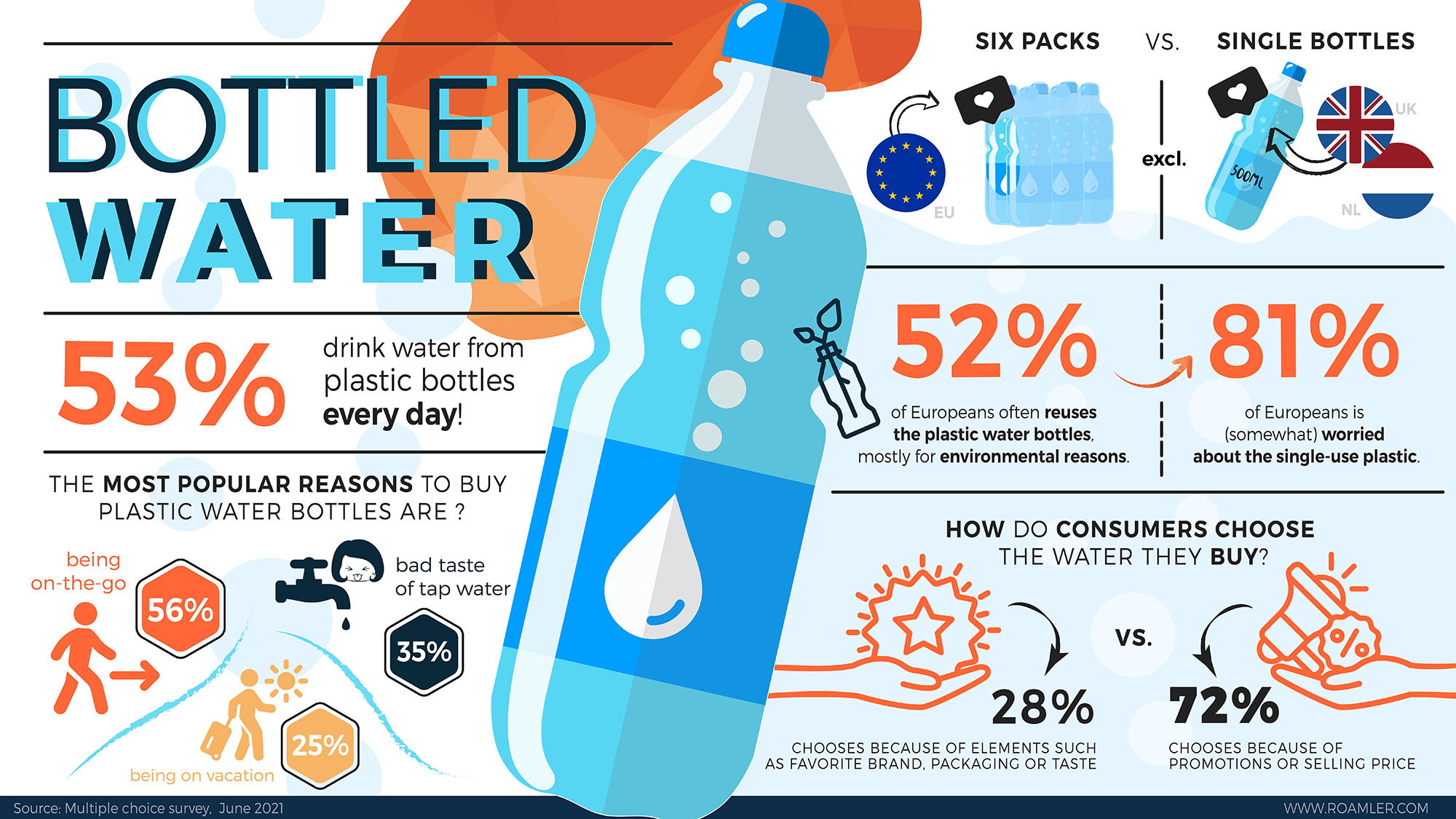 Infographic Water
The Carbon Footprint of Your Thirst
Let’s talk about the journey. That plastic bottle traveled from a factory in California to your local gas station. Burning fossil fuels the whole way.
And then you drink it in thirty seconds. The bottle will outlive you by hundreds of years. Thanks, future generations.
Some brands claim to be “carbon neutral.” They plant trees or buy offsets. That’s nice, but it’s like saying, “I hit your car, but I paid for the paint job.” Pat on the back?
So, What Should You Do?
I’m not here to judge. I buy bottled water when I’m hiking. Or when I spot a cool limited-edition label. We all have our vices.
But if you want the best water? Get a reusable bottle. Fill it with tap water. Maybe add a filter if your tap tastes like pennies.
Or try a countertop distiller. It makes pure water, but it’s slow and uses electricity. It’s like having a tiny science lab in your kitchen.
For most of us, the answer is simple: tap water with a slice of lemon. Fancy, cheap, and you look like a health influencer. Win-win.
But hey, if you love your bottled water, go for it. Just know what you’re sipping: minerals, microplastics, and a side of existential guilt. Cheers. 🥤
