What Is Bottled Water Ph

Let’s be honest—most of us have stood in a store aisle, staring at a wall of bottled water, and felt a little lost. You grab one because the label is blue, or maybe because it...
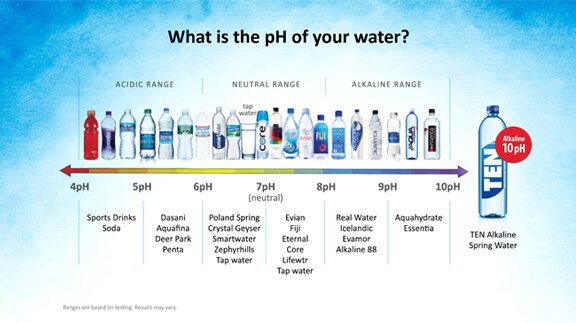
Let’s be honest—most of us have stood in a store aisle, staring at a wall of bottled water, and felt a little lost. You grab one because the label is blue, or maybe because it’s on sale. But have you ever stopped to wonder: What is the pH of bottled water? It’s one of those things that sounds science-y, like something a lab coat would argue about, but it actually affects your morning sip way more than you think.
pH—It’s Not a Secret Code
First, a quick reality check: pH is just a measure of how acidic or alkaline something is. Think of it like a thermostat for your taste buds. A scale runs from 0 (battery acid—ouch) to 14 (drain cleaner—do not drink). Pure water sits right at 7, which is neutral, like that friend who never takes sides in an argument.
Bottled water companies love to toss numbers like 7.5 or 8.1 on their labels. It makes you feel like you’re buying something smarter than a garden hose. But honestly, most bottled waters are just fancy tap water that went to a spa and came back with a new label.
Must Read
The Flavor of Chemistry
Here’s the everyday connection: pH affects how your water tastes. If you’ve ever sipped something that felt sharp or tangy—like lemonade without the sugar—that’s likely a lower pH. Acidic water can feel lively, almost zesty. Think of it as the water version of a sarcastic cousin: it keeps things interesting but might make you pucker.
On the flip side, higher pH water (alkaline, above 7) often tastes smoother, even a little slippery. It’s the water equivalent of a polite neighbor who always waves and never borrows your lawnmower. Some people swear it tastes “cleaner,” but really, it’s just less aggressive on your tongue.
I once bought a bottle labeled “pH 9.5” and felt like I was drinking liquid yoga. It was so smooth, I half-expected it to say “namaste” after I swallowed. Did it change my life? No. But it did make me feel like I had my life together for about three sips.
 Figure 1 from Is Your Drinking Water Acidic? A Comparison of the Varied
Why Should You Care About pH?
Honestly, for most of us, you probably shouldn’t lose sleep over it. Your body is a pH-balancing genius. Your stomach is a vat of acid that could dissolve a penny (don’t test that), so a little bottled water with a pH of 6.5 or 8.5 isn’t going to rock your internal boat. It’s like worrying about whether your sneakers match your socks—it matters to some, but the world keeps spinning.
But here’s the rub: some waters that are very low pH (think 4 or 5) can be a problem for your teeth over time. That’s why fizzy waters and citrus-flavored ones often have a lower pH. They’re tasty, but they’re also the party guests who eat all the chips and leave crumbs in your couch. A quick swish with regular water after drinking them helps. No big drama.
The Alkaline Water Fad
You’ve seen the bottles with the big “alkaline” claims, right? They promise to “balance your body,” whatever that means. It’s the wellness industry’s version of putting a cool sticker on a toaster—it doesn’t toast better, but it looks like it does. People pay $4 for a bottle of water that basically tastes like rain on a quiet morning.
I fell for it once. I was tired and hungover, and the label said it would “rejuvenate my cells.” I drank it, burped, and felt exactly the same. My cells didn’t throw a party. But hey, it was cold and wet, so I can’t complain. That’s the real value of bottled water—it’s wet and convenient.
 pH Levels of Popular Brands of Bottled Waters | Where Dentistry is done
So next time you’re in that aisle, don’t overthink it. Most bottled water has a pH between 6.5 and 8.0, which is perfectly fine. Your body doesn’t care if you drink “mountain spring” or “glacial melt” from a plastic bottle. It just wants water that’s clean and doesn’t taste like the swimming pool.
Bottom Line? Relax, It’s Just Water
If you really want to geek out, check the label—some brands show pH proudly. But unless you’re a sommelier of water or a competitive taster, the difference between a 7.2 and an 8.0 is like asking whether a potato is better as fries or mashed. It’s still a potato. It’s still water.
So drink what makes you smile. If a high-pH bottle makes you feel like a spa-goer, great. If a cheap one from the gas station does the job, also great. Just don’t let the numbers trick you into thinking you’re missing out on some secret water society. You’re not. The only secret is that your tap water, with a pH around 7, is probably just as good—and way cheaper.
Now go hydrate. And maybe learn to laugh at the fancy labels. Your wallet will thank you.
