What Is Tannins In Water

So, picture this: I’m at my grandma’s cabin in the woods, and she hands me a glass of water from her well. It looks perfectly clear, but when I take a sip, I’m hit with this w...
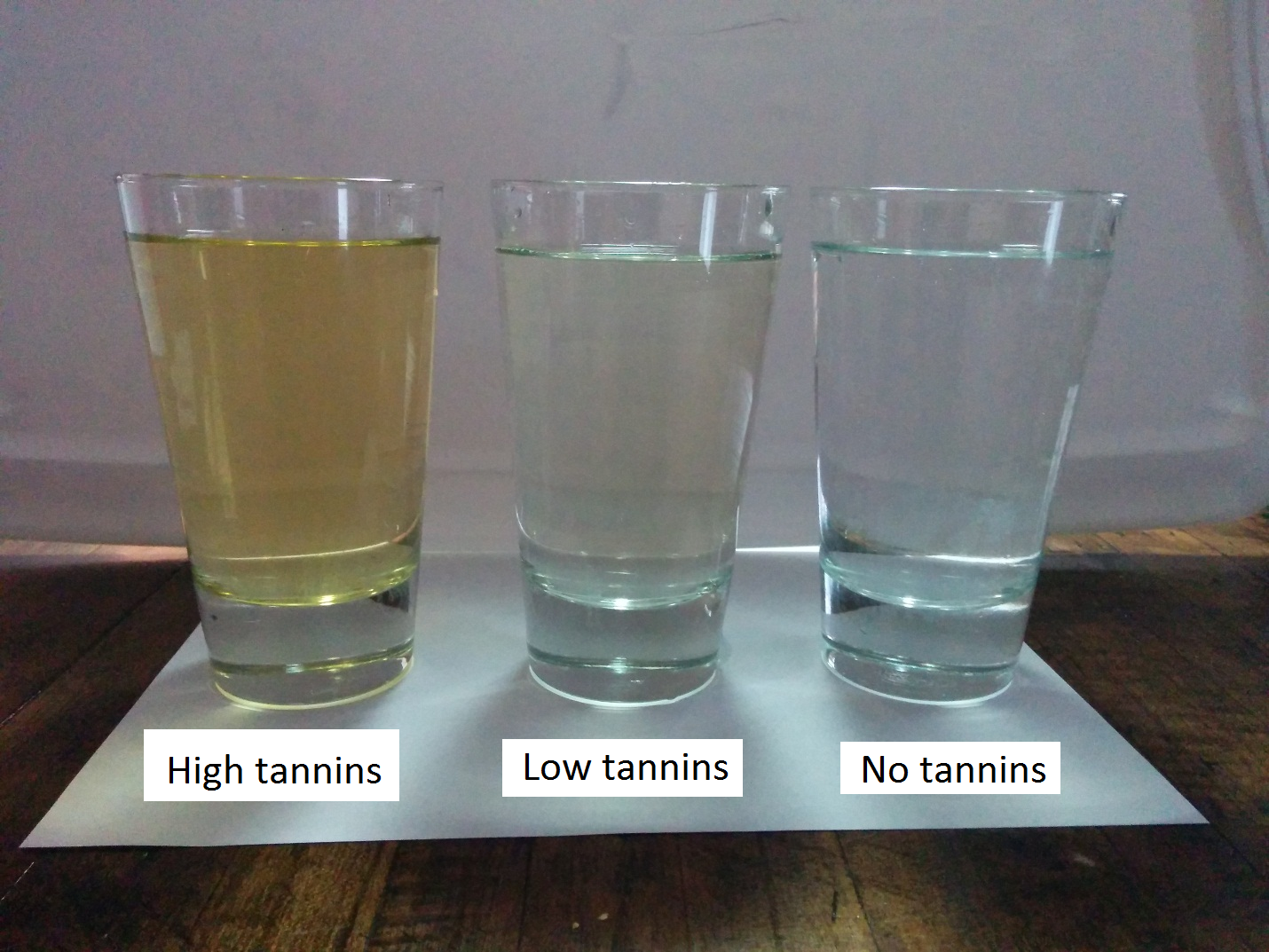
So, picture this: I’m at my grandma’s cabin in the woods, and she hands me a glass of water from her well. It looks perfectly clear, but when I take a sip, I’m hit with this weird, dry, almost bitter taste—like I just bit into a grape skin that’s been left in the sun too long. I spat it out, and she laughed, saying, “That’s just the tannins, honey.”
And I’m thinking, “Tannins? Isn’t that what makes red wine stain your teeth?” (Spoiler: yes, it is.) That funny moment stuck with me, because it turns out those “tannins” are everywhere—in your tea, your corked bottles, and yes, sometimes in your tap water. If you’ve ever wondered why your morning coffee or glass of well water has that puckering quality, you’re about to get your answer.
So, What Exactly Are These Tannins?
In the simplest terms, tannins are natural organic compounds—think of them as nature’s little astringent machines. They’re part of a larger group called polyphenols, which plants produce to defend themselves from bugs, UV rays, and decay.
Must Read
When you taste them in water, it’s because the water has passed through decaying vegetation, peat, or leaves—like the stuff from my grandma’s woods. Side note: they’re the same compounds that make unripe fruit feel like sandpaper on your tongue. Fun, right?
How Does Water End Up with Tannins?
It’s all about the water cycle and a little thing called “where your water comes from.” If your source is a lake, river, or shallow well surrounded by swampy areas or forests, you’re getting a tannin infusion. Rainwater seeps through layers of decaying leaves, roots, and peat, dissolving those compounds like a giant tea bag.
Think of it as the water’s way of saying, “I’ve been hanging out with dirt and plants.” That’s why well water in rural areas or mountain springs often has that yellowish or brownish tint—it’s not mud; it’s tannins showing off their color. And if you’re drinking from a municipal supply, they usually filter that out, but not always perfectly.
Is It Dangerous? (Spoiler: No, But It’s Annoying)
Here’s the good news: tannins in water are not harmful to your health. In fact, some studies say polyphenols can be antioxidants, which is why people drink red wine for their heart (and because it’s delicious). But in water? They’re more of a nuisance than a threat.
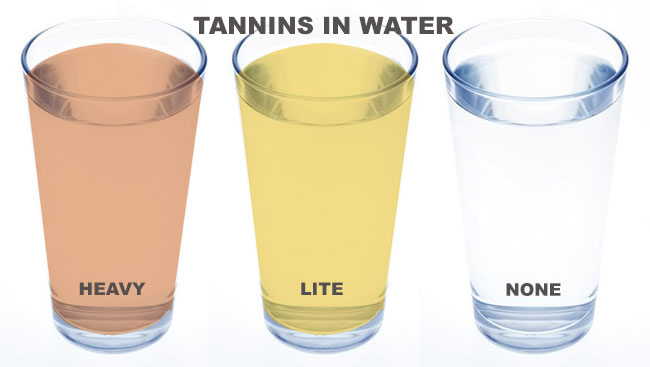 Tannins In Water Supply
The bad news is that they can mess with your laundry (yellow stains!), clog your pipes with a weird slimy film, and make your tea taste like a wet sock. Side comment: if you’ve ever poured a glass of water and thought, “This looks like iced tea but smells like dirt,” you’ve met tannins.
They don’t cause bacteria or viruses—they’re just aesthetically and taste-wise annoying. Your body will process them fine, but your coffee maker will judge you.
How Do You Spot Tannins in Your Water?
It’s pretty obvious once you know what to look for. First, check the color: if your water has a yellow, brown, or reddish hue that doesn’t go away after running the tap a bit, tannins are likely the culprit. Second, taste it—do you get that dry mouth feeling, like you just licked a walnut?
Compare that to iron or sulfur water: iron makes things rusty and metallic, while sulfur smells like rotten eggs (yikes). Tannins are more subtle—they smell and taste earthy, like damp soil or a forest after rain. And if you’re using a water filter, check if the cartridges turn brown quickly; that’s tannins making themselves at home.
Can You Get Rid of Them? (Yes, But It’s a Process)
Okay, so you’ve confirmed you have tannin water—what now? First, don’t panic. You have a few practical options: use a reverse osmosis system, which is like a super-powered filter that pushes water through a membrane. That will strip out most tannins, but it also strips out minerals, so be ready for “flat” water.
 Everything You Need to Know About Tannins in Water-NEWater
Another method is a carbon filter with a special media (like anionic resin) that grabs tannins like a magnet. For well water, a whole-house filtration system with a water softener can help, but only if it’s designed for organic compounds. Side note: boiling won’t work—it might even concentrate the tannins, making the water more bitter. Don’t ask how I know.
If you’re on a budget, a pitcher filter with activated carbon can reduce the taste and color, but it won’t fix the stain issue on your clothes. For hardcore tannin problems? You might need a pro to test your water and install a dedicated unit. It’s not cheap, but neither is replacing your white towels.
Should You Be a Tannin Snob?
Honestly? If you’re getting your water from a forest spring, a little tanning is natural and even charming—like drinking from a mountain stream. It’s only a problem if the color bothers you or the taste ruins your coffee.
I’ve learned to tolerate it from my grandma’s well, but my city-dwelling friends scream “swamp” when they visit. At the end of the day, tannins are just nature’s fingerprint on your water. So next time you take a sip and taste that dry, woody note, you can nod wisely and say, “Ah, yes—the polyphenols are talking.”
Just maybe don’t serve it to guests without warning them first. Trust me on that one.
