How To Test Tds In Water

Alright, let’s talk about water—specifically, how to test its TDS. TDS stands for Total Dissolved Solids, which is a fancy way of saying “how much stuff is floating in your gl...
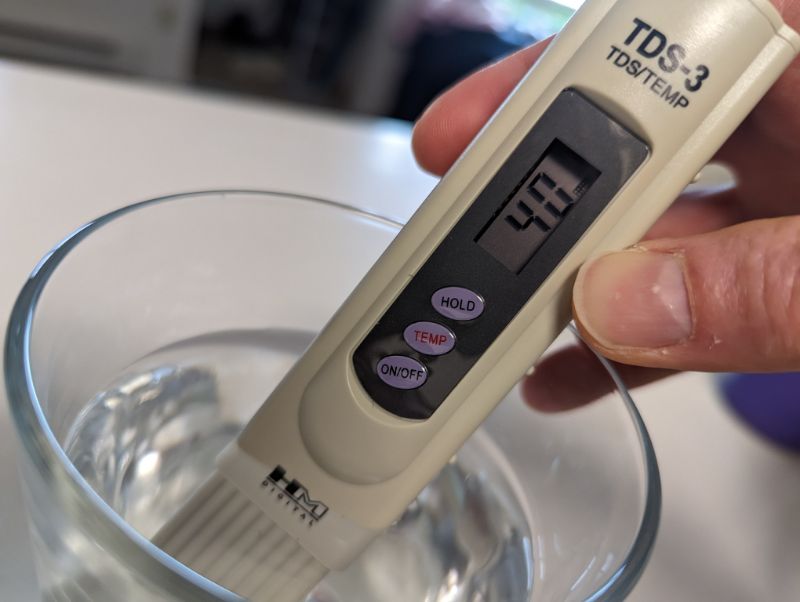
Alright, let’s talk about water—specifically, how to test its TDS. TDS stands for Total Dissolved Solids, which is a fancy way of saying “how much stuff is floating in your glass.” That stuff could be minerals, salts, or even tiny bits of rock that decided to hitch a ride from your tap.
Why should you care? Well, high TDS can make your water taste like a melted penny, or worse, like a swimming pool. Low TDS often means soft, crisp water that’s a joy to drink—unless you’re a fish, then you might get confused.
Step 1: Get a TDS Meter (No, It’s Not a Sci-Fi Gadget)
You need a TDS meter. These little gizmos look like a fat pen or a tiny thermometer, and they cost about the same as a fancy coffee. Don’t worry, you don’t need a PhD in chemistry to use one.
Must Read
I bought mine online for like $12, and it came with a smiley face sticker on the box. That’s a good sign. Now, turn it on—usually there’s one button that says “ON/OFF” because manufacturers assume we’re all sleepy.
Step 2: Fill a Clean Glass with Water
Grab a clean glass. Not the one you just used for orange juice, unless you want a TDS reading that screams “BREAKFAST!”
Fill it about halfway with the water you want to test. Tap water is common, but you can test bottled, filtered, or even puddle water if you’re feeling adventurous (please don’t drink puddle water).
Pro Tip for the Overachiever: Rinse the Glass Twice
If you want a pure reading, rinse the glass with the same water you’re testing. That way, you won’t get leftover soap or yesterday’s tea messing with the numbers. Science is all about avoiding soap ghosts.
Step 3: Dip the TDS Meter Like It’s a Teabag
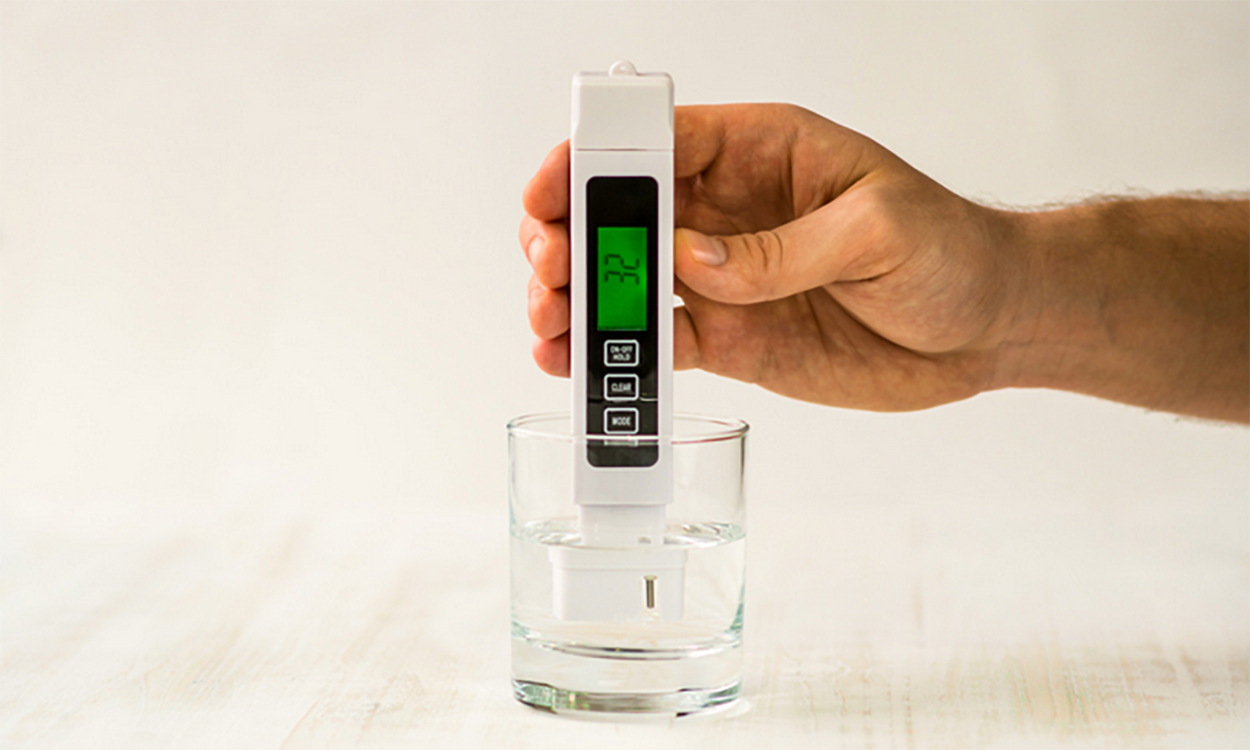
Take your meter and submerge the tip into the water. Don’t go deeper than the “MAX” line written on the side—unless you want to learn why electronics and water are frenemies.
 Livestock Water Testing
Gently stir it around for a few seconds, like you’re mixing a tiny cocktail for a tiny robot. Wait for the numbers to stop dancing—this usually takes 10 to 15 seconds, which is enough time to question your life choices.
Optional: Make a Silly Face While Waiting
I don’t know why, but it helps. Science says it doesn’t affect the reading, but it makes you feel like a mad professor. Go ahead, squint one eye and tap the meter twice—you earned it.
Step 4: Read the Number (And Don’t Panic)
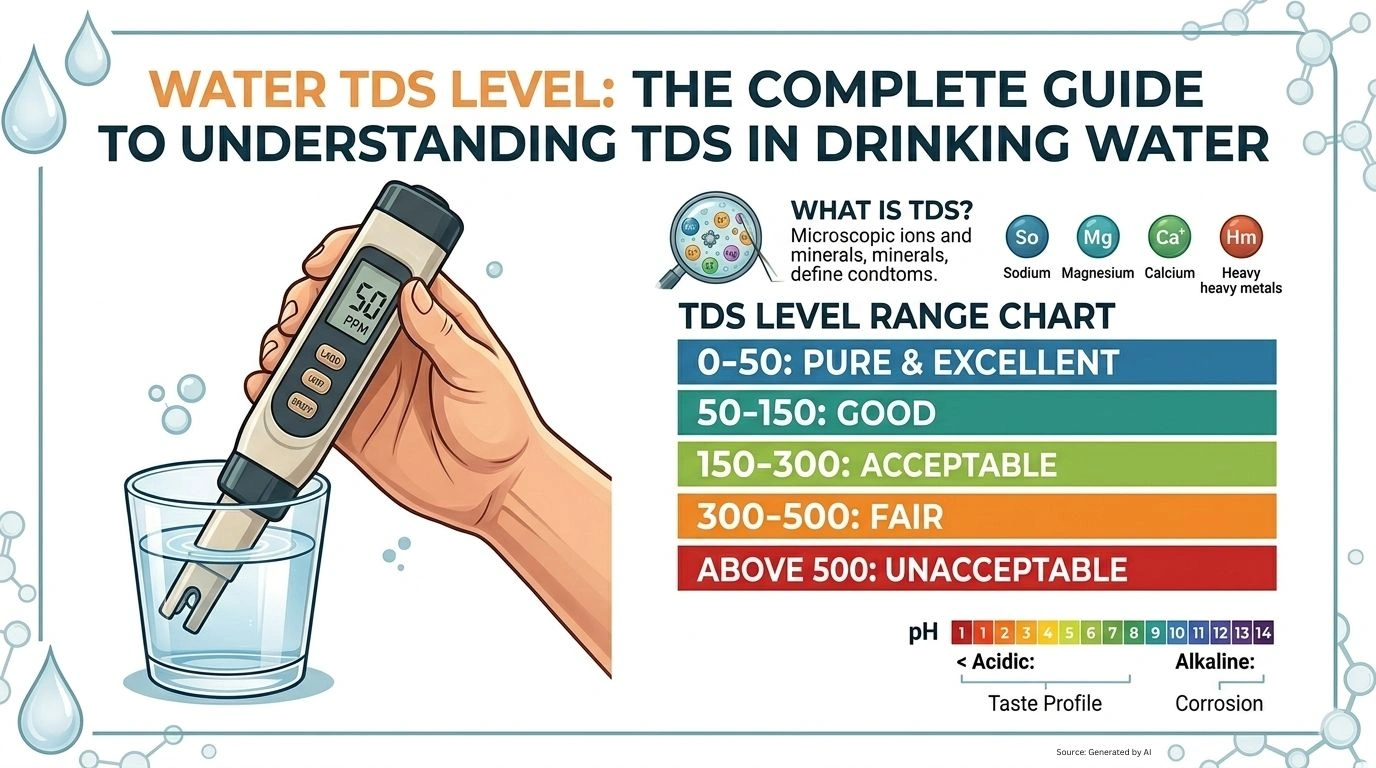
The display will show a number, usually in ppm (parts per million). Here’s your cheat sheet: 0–50 ppm is basically rain or distilled water—super clean, but kinda boring. 50–150 ppm is excellent for drinking—like mountain spring water, but from your sink.
150–300 ppm is okay—your water has some minerals, but it’s not a dealbreaker. 300–500 ppm is a bit hard—think water that leaves white spots on your glasses. And above 500 ppm? That’s the “I’m basically drinking a chalkboard” zone—consider a filter.
Bonus: If Your Reading Is Over 900, You’re Not in a Dragon Ball Z Episode
It just means your water is very loaded with stuff. Don’t freak out—just know your water might taste like a mineral bath. You’re not a science experiment gone wrong, you’re just a curious human with a cool tool.
 Water TDS Level: The Detailed Guide For Drinking Water TDS | ZeroB
Step 5: Rinse the Meter and Do a Happy Dance
After testing, rinse the meter with distilled or clean water. Dry it with a soft cloth—no rubbing like you’re polishing a trophy, though. Gentle pats only, because electronics are drama queens.
Now you can test any water you want. Test your aquarium, your humidifier, or even that suspicious-looking puddle after a storm. Knowledge is power, but also a great party trick—imagine whipping out a TDS meter at a barbecue.
Why This Matters (Or: How to Feel Like a Water Wizard)
Knowing your water’s TDS helps you decide if you need a filter, a water softener, or just a bigger glass of ice. It’s not about being paranoid—it’s about being the boss of your hydration game.
Plus, you can now impress your friends by saying things like, “My tap water has a TDS of 180—pretty decent, honestly.” They’ll nod, pretending to understand, while secretly thinking you have a superpower. You kind of do.
The Uplifting Conclusion That Leaves You Smiling
Testing TDS is ridiculously easy, takes about 30 seconds, and makes you feel like a tiny water scientist. You don’t need a lab coat or a fancy degree—just a $12 gadget and a willingness to dip things in water.
So go ahead, test your water, laugh at the numbers, and remember: life is too short to drink sad, mystery water. Every glass can be a little victory—crisp, clear, and full of you being awesome. Now go sip something amazing, you magnificent water-testing legend. Cheers!
