What Does Hard Water Do

Ever noticed a weird, white crust on your faucet or that your shampoo just doesn’t lather like it used to? You might be dealing with hard water. It’s not some mysterious villa...
:max_bytes(150000):strip_icc()/TheSpruce_WhatisHardWater_colorv1-71c4c7ba876646638980256db096a84e.png)
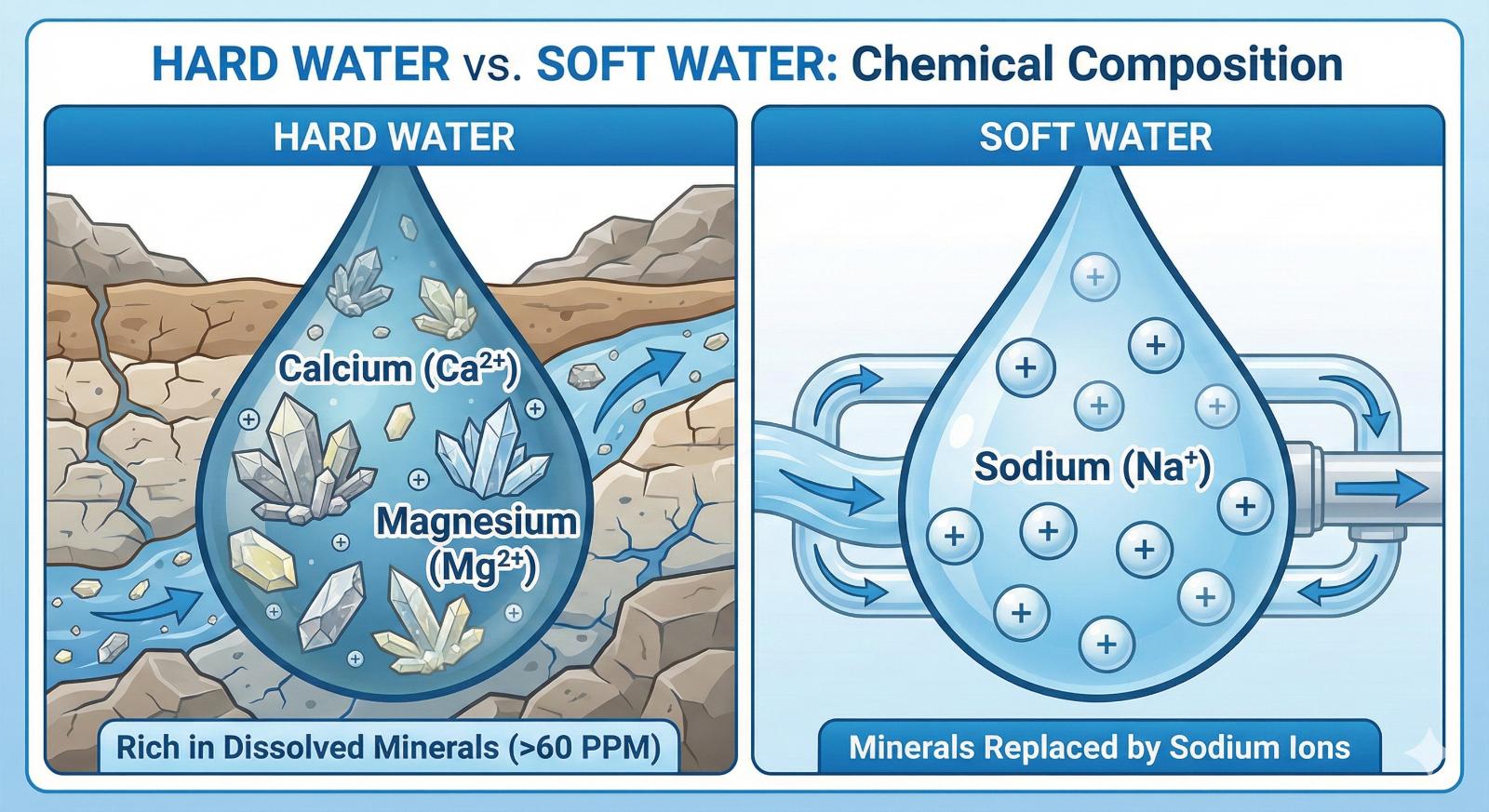
Ever noticed a weird, white crust on your faucet or that your shampoo just doesn’t lather like it used to? You might be dealing with hard water. It’s not some mysterious villain—it’s just regular water that picked up extra minerals, like calcium and magnesium, on its journey through the ground.
Think of it like this: soft water is a gentle, fresh spring rain, while hard water is more like a mineral-rich mountain stream. It’s totally drinkable and safe, but it does some pretty interesting (and sometimes annoying) things to your home and body. So, what exactly does hard water do?
The Great Soap Struggle
First up: the soap situation. You know that satisfying, fluffy lather you get with soft water? Hard water fights it. The minerals grab onto the soap molecules before they can do their job.
Must Read
Instead of bubbles, you get a sticky, white scum called soap curd. It’s like the water is trying to make its own version of cottage cheese on your skin. Ever feel like you’re still soapy after rinsing? That’s the curd clinging to you.
Your Skin and Hair, Slightly Confused
That soapy residue doesn't just feel weird—it actually dries out your skin. It strips away natural oils, leaving you with that tight, “squeaky” feeling. Not the good kind of clean, right?
Your hair feels the pain too. Hard water minerals can build up on strands, making them look dull, flat, and a little, well, crunchy. It’s like your hair is wearing an invisible, mineral-y helmet. Frizzy hair? Yeah, hard water loves to make that worse.
The Secret Science of Filmy Glasses
Raise your hand if you’ve pulled a glass from the dishwasher and wondered, “Why is it still cloudy?” That’s hard water doing its thing. The minerals don’t just disappear—they dry onto your glassware.
That cloudy film is actually a thin layer of calcium carbonate. It’s the same stuff found in limestone caves! Pretty cool, but not on your wine glass. It can also leave white spots on your favorite coffee mug, like a permanent winter frost.
 Is Soft Water Better for Your Hair? Hard vs Soft Water Compared (2026)
The Plumbing Slowdown
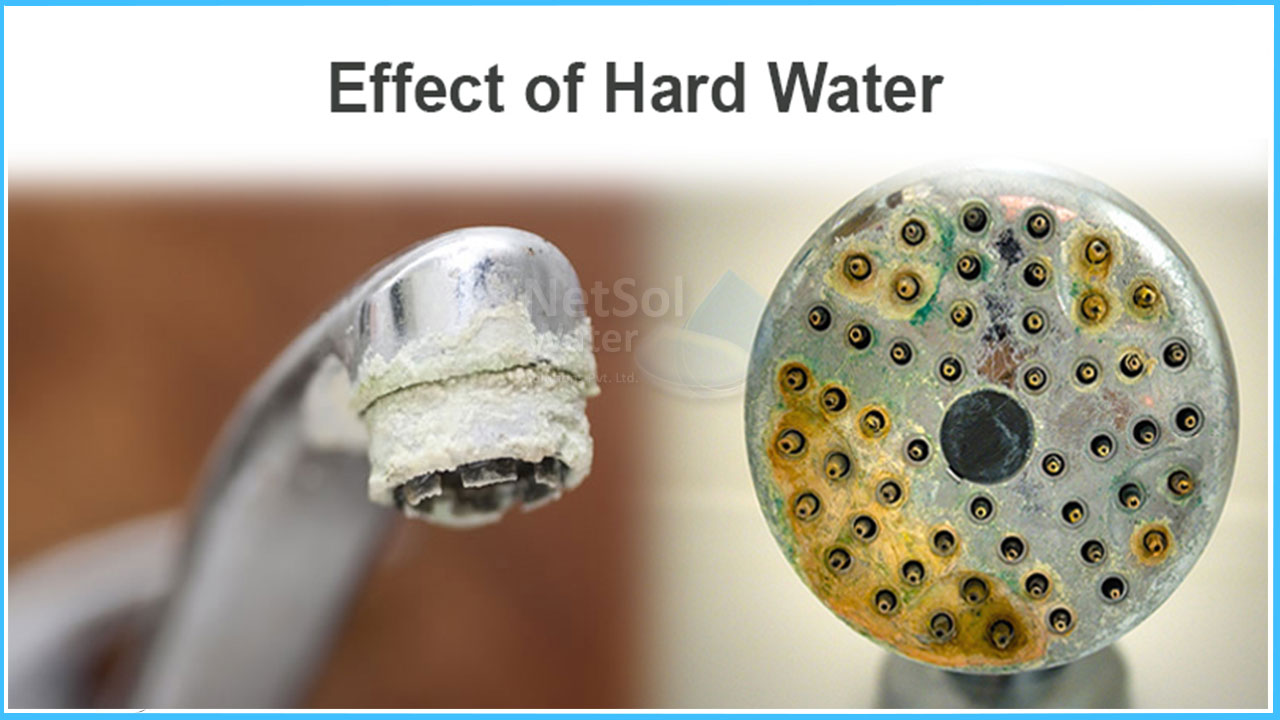
Imagine pouring concrete down your pipes, but really, really slowly. That’s kind of what hard water scale does. Over time, the minerals build up inside your pipes and water heater.
This means your water flow gets weaker, and your water heater has to work harder. It’s like trying to run a marathon while wearing a heavy backpack. That extra work costs you money on energy bills, which is just no fun at all.
Appliances That Give Up
Your coffee maker, your washing machine, your dishwasher—they all hate scale. It clogs tiny valves and heating elements. A layer of scale on a heater is like wrapping it in a wool blanket—it just can’t heat up efficiently.
This can cut the lifespan of your appliances in half. So that pristine espresso machine? Hard water might be plotting its early retirement. A little mineral buildup can turn a ten-year machine into a five-year hassle.
Is It All Bad? The Surprising Upsides
Okay, before you panic, hard water isn’t pure evil. Remember those calcium and magnesium minerals? Your body needs them. Drinking hard water can actually contribute to your daily mineral intake.
 Why Is Water Water Hard at Cindy Ehrhardt blog
Some people even swear it tastes more refreshing than flat, soft water. It has a certain crispness—a little bite—that very pure water lacks. Plus, if you’re an aquarium owner, some fish prefer hard water’s stable pH.
The Fun Comparison: It’s a Mineral Spa (For Your House)
Think of hard water as giving your home a tiny, permanent mineral spa treatment. Your pipes get a calcium coating, your glassware gets a frosted look, and your skin gets a dry-clean vibe. It’s like the water is trying to preserve everything in stone.
It’s not malicious—it’s just enthusiastic. The real trick is figuring out if you want that mineral spa or if you’d rather soften things up. A water softener swaps those clingy minerals for gentler sodium or potassium ions.
So, Should You Worry?
For most people, hard water is a harmless (if annoying) guest. You don’t need to call a plumber in a panic. But if you’re tired of dry skin, cloudy glasses, and crusty faucets, you have options—from simple filters to whole-house softeners.
At the end of the day, hard water is just water being a little extra. It’s a reminder that even something as simple as H2O can have a personality. And honestly, a bit of white crust on the showerhead is a small price to pay for a glass of crisp, mineral-rich tap water.
:max_bytes(150000):strip_icc()/TheSpruce_WhatisHardWater_colorv1-71c4c7ba876646638980256db096a84e.png&description=What+Does+Hard+Water+Do)