How Does Ro System Work

So, you’ve got a friend who won’t stop bragging about their RO system, and you’re just standing there nodding, pretending you know what’s happening inside that fancy machine....

So, you’ve got a friend who won’t stop bragging about their RO system, and you’re just standing there nodding, pretending you know what’s happening inside that fancy machine. Don’t worry—I’ve been there. It’s basically water magic, but with science instead of wizards. Let’s pull back the curtain.
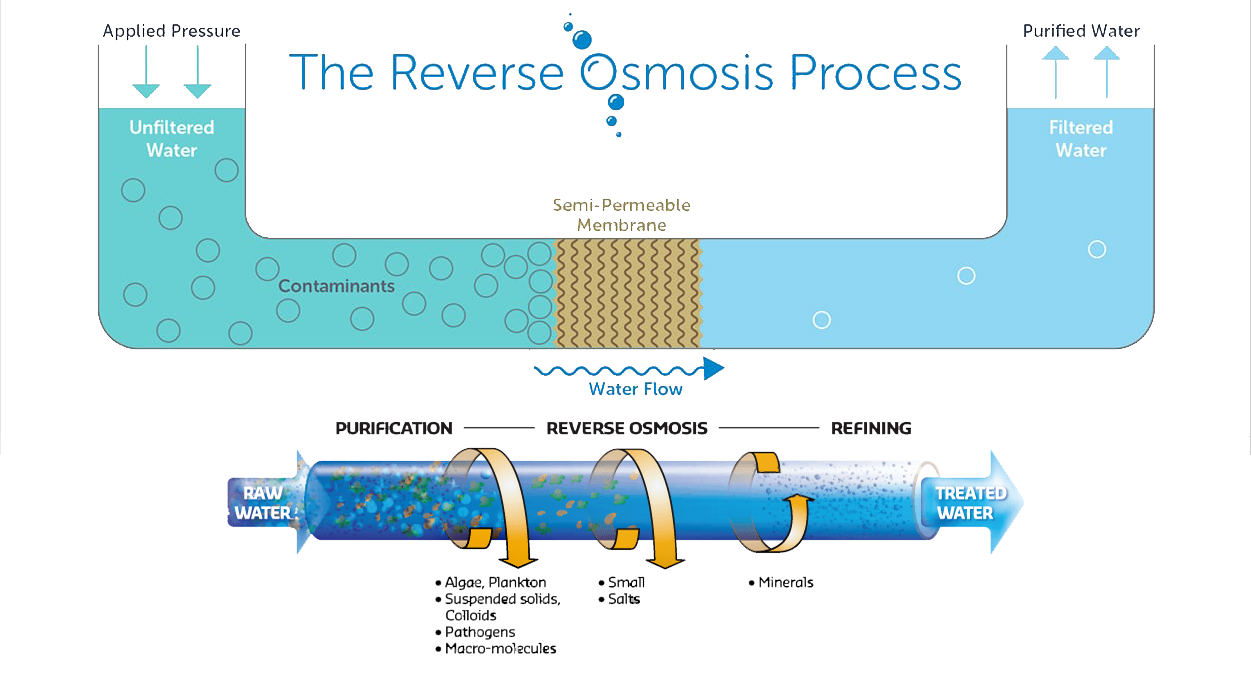
First off, RO stands for Reverse Osmosis. Fancy name, I know. Osmosis is when water naturally moves from a place with less stuff in it to a place with more stuff—think of it as water being a bit of a gossip, carrying news (or salt) around. Reverse Osmosis flips that: we force water to go the other way, leaving the “stuff” behind.
Imagine a super picky bouncer at a club. Regular osmosis lets everyone in—water, salt, dirt, bacteria—but reverse osmosis says, “Nope, only water gets past me; you’re all on the list tonight.” That’s your semi-permeable membrane, the star of the show. It’s a thin sheet with pores so tiny, only water molecules can squeeze through.
Must Read
But here’s the twist: water doesn’t want go through that bouncer willingly. It’s like trying to push a shy cat into a bathtub. So, your RO system uses water pressure—the same pressure from your tap—to shove the water through the membrane. The harder it pushes, the cleaner the water gets. Spoiler alert: your tap water is basically a stressed-out janitor in this process.
The Three Musketeers of Filtration
Your RO system isn’t a one-trick pony; it’s got three stages of goodness. First up: a sediment filter. This guy catches the big stuff—like sand, rust, and whatever that weird flake was in your tap. Think of it as the host who says, “Leave your mud-caked boots at the door.”
Next comes the carbon filter. This charming chunk of charcoal is the smell and taste ninja. It gobbles up chlorine, pesticides, and any funky odors that make your water smell like a swimming pool. Yes, you’ve been drinking pool vibes; sorry for the news.
Finally, the RO membrane does its majestic work. It kicks out dissolved solids, heavy metals, and even microplastics (because nobody ordered a side of tiny plastic with their H₂O). By this point, your water is cleaner than your conscience on a good day.
But Wait—There’s More!
After the membrane, the water goes to a storage tank. This tank holds the pure water until you need it, like a squirrel hoarding nuts for winter. But here’s the kicker: RO systems are slow. They produce a trickle, not a waterfall. So the tank is your patience buffer.
 What Is Reverse Osmosis And How Does It Work
Then, before the water reaches your glass, it often runs through a post-carbon filter. This final polish gives the water a crisp, fresh taste—like a spa day for your tongue. If your RO system didn’t have this, your water might taste a little “flat.” Nobody wants flat water, unless it’s a flat joke.
Now, you’re probably thinking, “That sounds complicated. Do I need a degree in plumbing?” Not at all. Most home RO systems come as a neat little package—like a fridge, but with fewer leftovers. You just connect it to your cold water line, and it does its thing while you binge-watch cat videos.
The Dirty Little Secret
Here’s the part nobody tells you at dinner parties: RO systems are wasteful. For every gallon of clean water you get, about 3 to 4 gallons go down the drain as brine. That’s the concentrated junk the membrane kicked out. It’s basically the water’s middle finger to your plumbing.
Don’t panic, though! Modern systems are getting more efficient, and some can even recover 1:1 ratios. Plus, you can use that waste water for watering plants (if they don’t mind a little salt). Or just make peace with it—you’re still saving the planet from plastic bottles.
And speaking of bottles, an RO system saves you from carrying those heavy jugs home from the store. No more judging looks from your neighbor when you slip on a wet floor. You’ll be the hydration hero of your household.
 Reverse Osmosis Filter Replacement And RO Membrane Guide (2026)
What About The Good Stuff?
A common worry is that RO strips out healthy minerals like calcium and magnesium. True story: the membrane is so good at its job that it removes the good with the bad. But guess what? You get minerals from food, not water. Unless you’re a fish, you’re fine. And if you’re a fish, why are you reading this? Get back in the tank.
Some systems have a remineralization cartridge that adds a pinch of those minerals back. It’s like the membrane says, “Sorry I stripped you,” and then gives you a tiny apology basket. Personally, I like my water neutral—like Switzerland, but in my glass.
So, next time you see an RO system, imagine a tiny, hardworking bouncer, a charcoal ninja, and a storage tank squirrel. They’re a team—the Avengers of your under-sink cabinet.
And here’s the best part: once it’s installed, you might forget it’s even there. You just turn on the tap, and out flows water so pure it could audition for a diamond commercial. Pure, crisp, and full of victory.
So go ahead—drink that glass of clean water with a goofy grin. You’ve just learned how your RO system works, and now you’re the smartest person in the kitchen. Cheers to you, water wizard.
