How Much Is A Ro System

Let’s be honest: the price of a reverse osmosis system feels like a secret handshake you’re not cool enough for. You want crisp, clean water, but the numbers float around like...
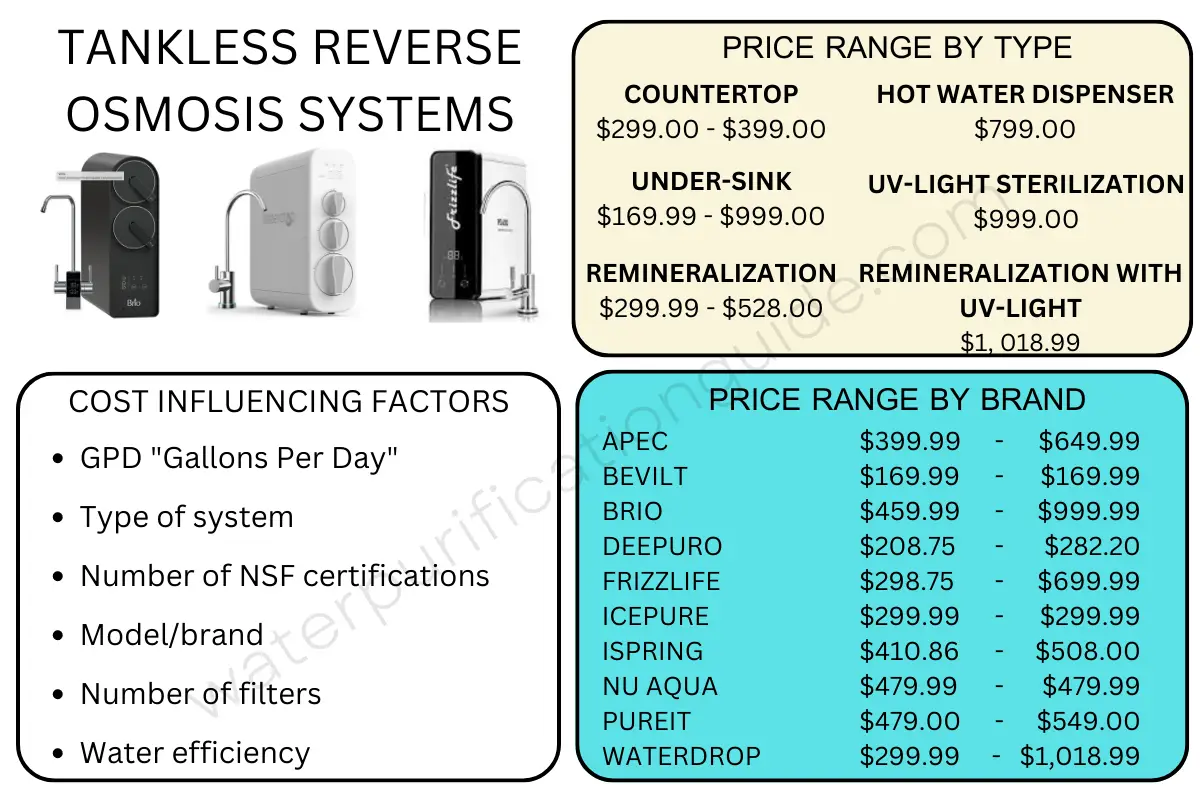
Let’s be honest: the price of a reverse osmosis system feels like a secret handshake you’re not cool enough for. You want crisp, clean water, but the numbers float around like a fog. Is it fifty bucks or a cool grand? Let’s clear the air—and the water.
The Price of Purity: From Countertop to Basement Beast
First, understand that “RO system” is a broad term, like “coffee.” You have instant, and you have espresso machines that cost more than a used car. A basic under-sink RO system, the kind your friend brags about at dinner parties, typically runs $150 to $400. That’s the sweet spot for most homes.
But then you have the countertop models. These are the Airbnb-friendly, “I rent but I’m fancy” options. They sit on your counter like a sleek robot, usually costing $200 to $500. They’re easy to install, but you sacrifice water pressure and storage capacity.
Must Read
And then there’s the whole-house RO system. Think of it as the luxury SUV of water filtration. It tackles everything from showering to washing dishes, and it costs $2,000 to $5,000 or more. That’s a price tag that makes you pause your avocado toast budget.
Installation: The Hidden Upcharge
Here’s a fun fact: the price sticker on the box is only half the story. Installation is the friend who shows up late and expects a tip. A simple DIY job is free, but hiring a plumber? Add $150 to $350 for under-sink models.
If you’re the “I can fix anything with a YouTube video” type, you’ll save cash. But if drilling a hole in your countertop gives you hives, call a pro. Remember the classic scene from The Money Pit? Don’t be Tom Hanks.
Also, consider that hard water areas often need a pre-filter or water softener. That’s an extra cost—another $100 to $400—before you even get to the RO membrane. It’s like ordering guacamole on your burrito: worth it, but suddenly you’re paying more.
The Running Costs: It’s Not a One-and-Done Date
You do not just buy the system and forget it. Reverse osmosis is a bit like a pet goldfish: it needs regular care. Replacement filters are the recurring subscription you never wanted, costing $50 to $150 per year.
 Industrial RO System at ₹ 180000 | Industrial RO System in Pune | ID
The RO membrane itself lasts 2 to 3 years, and that’s a $50 to $150 swap. Miss this, and your water quality drops faster than a dial-up connection. Pro tip: set a calendar reminder on your phone called “Water TLC.”
And don’t forget the waste water. Older systems waste four gallons of water for every one gallon of clean water. That’s not great for your utility bill or the planet. Newer models are better, achieving 1:1 or even 2:1 ratios, but they cost more upfront.
Brands and “The Wellness Tax”
You’ll notice brands like APEC, iSpring, and Waterdrop dominate the mid-range. They’re reliable, like a Honda Civic. Then there’s the premium tier—think Aquasana or Pentair—which cost more but offer fancy features like alkalizing filters or UV sterilization.
That’s the wellness tax. It’s the same logic as buying organic kale: it makes you feel virtuous. A system with a remineralization cartridge adds $50 to $200 to the price. Do you need it? Your body wants minerals, but plain RO water is still cleaner than tap.
Cultural note: In many European cafes, they serve tap water with a wink. In California, everyone has a glass water bottle and an RO system. It’s a vibe, and it costs about $0.10 per gallon if you DIY. Compare that to $2 per gallon for bottled water, and the math gets friendly.
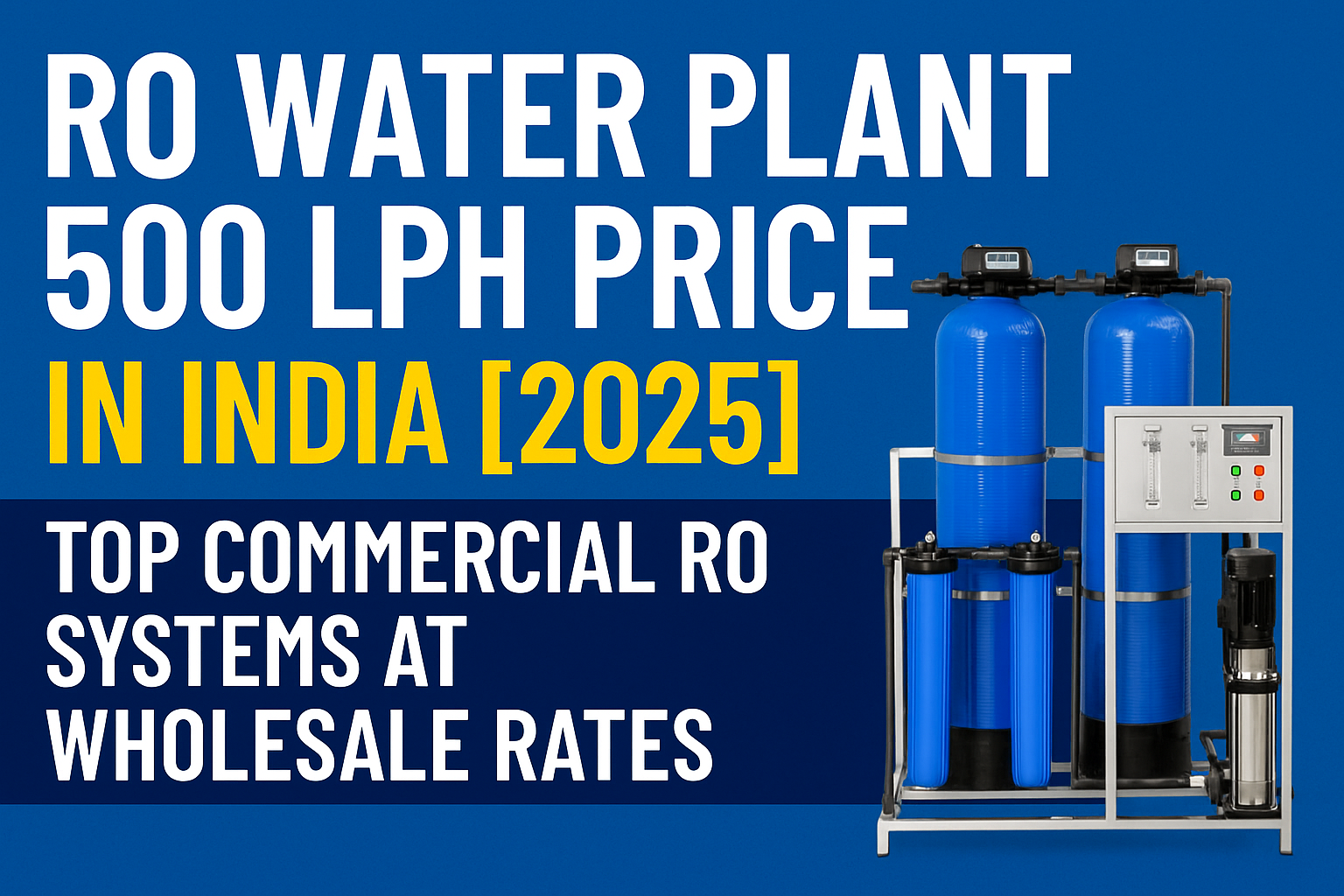 RO Water Plant 500 LPH Price in India – Top Commercial RO Systems at
Practical Tips for Buying Without Regret
First, test your tap water before you buy. That $10 test kit from Amazon can save you from buying a $500 hammer for a fly. If your main complaint is taste, a $30 charcoal filter might be enough. If you have lead or arsenic, RO is your hero.
Second, measure your under-sink space. Many systems are the size of a small cat. You don’t want to end up storing cleaning supplies on your counter because the tank won’t fit. Measure twice, buy once—like carpentry, plumbing, and life.
Third, look for certifications. NSF/ANSI Standard 58 is the gold standard for RO. If the box doesn’t mention it, you’re buying a pretty paperweight. Trust the label, not just the marketing photos of waterfalls and happy children.
The Final Sip: Water as a Daily Ritual
So, how much is an RO system? In real numbers, anywhere from $150 to $5,000+. But the real cost is measured in the habit you build. That first glass of cold, pure water in the morning? It’s not just hydration; it’s a quiet act of care.
Think about it: you spend money on coffee, on sparkling soda, on bottled water in plastic that lives forever. An RO system is a slow, steady investment in taste, health, and peace of mind. It’s like a gym membership for your hydration—except you actually use it.
Ultimately, the price isn’t just about the unit. It’s about knowing what you drink. In a world of overpriced juices and trendy seltzers, clean water is the one basic that never goes out of style. So take a sip, smile, and remember: the best things in life are often on tap.
