How Much For A New Well

So, you’re thinking about digging a well. Maybe you’re tired of that monthly water bill, or you just want to feel like a modern-day pioneer. But then the big question hits you...
So, you’re thinking about digging a well. Maybe you’re tired of that monthly water bill, or you just want to feel like a modern-day pioneer. But then the big question hits you: how much does a new well actually cost?
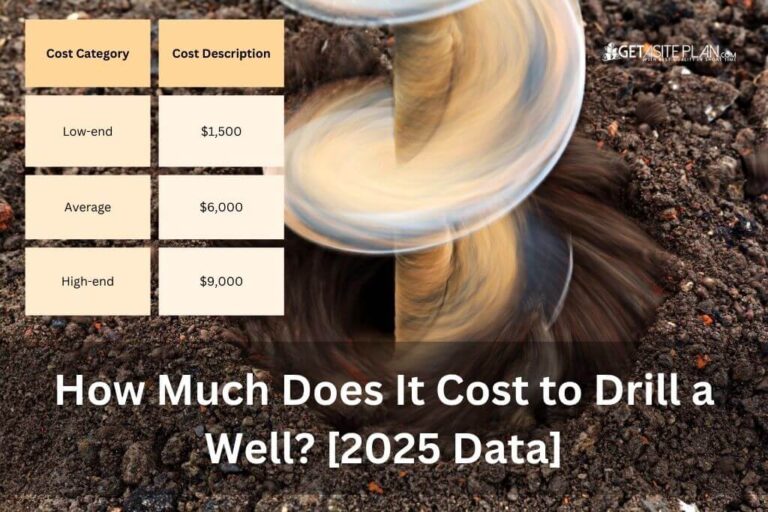
The short answer? It’s like buying a used car – but one that sits in your yard and gives you water. You’re looking anywhere from a few thousand bucks to over fifteen grand. Wild, right? Let’s break down why the price tag dances around so much.
The Deep Dive on Depth
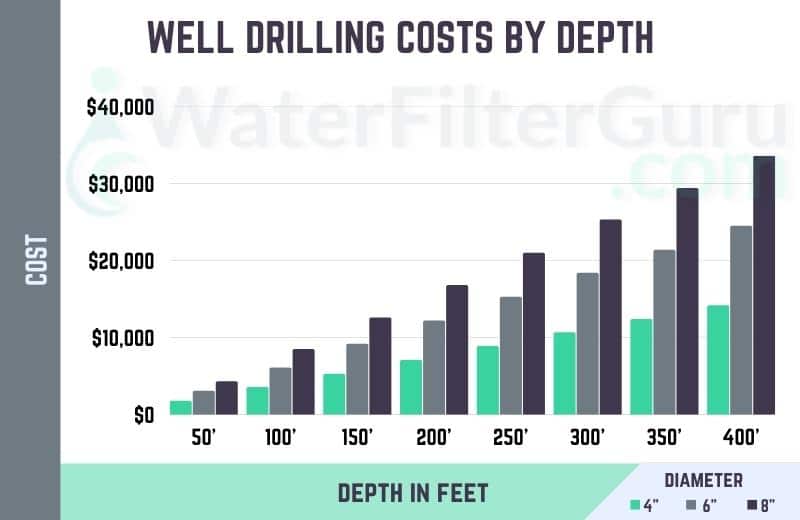
First off, it’s all about how deep you have to go. Are you tapping into a shallow aquifer just 30 feet down, or are you drilling through bedrock to reach a prize 400 feet below?
Must Read
A shallow well (the kind for a summer garden) can cost as little as $3,000. It’s like ordering a small coffee – cheap and fast. But a deep, residential well for your whole house? That can run you $8,000 to $15,000, or even more if the ground is stubborn.
Think of it like gambling at the earth’s casino. You pay for every foot you drill, hoping you hit the jackpot (water) before your budget runs dry. Drillers usually charge by the foot, so the deeper you go, the more you pay.
Location, Location, Location… and Dirt
Where you live is a massive deal. If you’re in sandy soil in Florida, you might get water at 50 feet. But if you’re on a rocky hill in New England, you might be drilling 400 feet through granite. That’s like trying to dig through a sidewalk with a spoon—it takes way more time and money.
 How Much Does a Well Cost? (2024 Well Drilling Cost Guide)
Your property’s terrain matters too. Is the driller’s truck going to slide down a muddy slope? Can they even get the rig to your backyard? Access fees can pile up fast if they need to bring in extra equipment or hand-carry pipes.
Don’t forget permits and water rights. In some states, you basically own the water under your land. In others, you have to beg for permission and pay for a license. This can add a few hundred to a couple thousand dollars to your bill before you even touch a shovel.
The Stuff You Don’t See (But Need)
The hole in the ground is just the beginning. You need a pump to suck the water up, a pressure tank to keep it flowing, and pipes to bring it into your house. A good submersible pump alone can cost $1,000 to $2,000.
Then there’s the casing – a steel or PVC pipe that lines the well so it doesn’t collapse. And you need a cap on top to keep bugs, mice, and rainwater out. Yeah, it’s not glamorous, but it’s absolutely essential.
 2025 Well Drilling Costs | Average Water Well Installation Cost
Oh, and water testing. You’ll want to know if your new water is full of minerals, bacteria, or even arsenic. Testing can cost $100, and if the water is nasty, you’ll need a filtration system that adds another $1,000 to $5,000. Suddenly, that free water doesn’t feel so free, huh?
Is It Worth the Splash?
Here’s the cool part: once you pay the upfront cost, the water itself is free. You’ll never see another water bill again (except for electricity to run the pump, which is tiny). Over ten years, the savings can be huge, especially if you water a big garden or have a pool.
Plus, you become independent. Municipal water limits your sprinkler use during droughts? No problem – that’s your water down there. A well is like having a secret savings account filled with life. You just have to pay the teller to open it.
So, how much for a new well? It’s a big number upfront, but it buys you freedom and a connection to something ancient. Just remember to get multiple quotes, ask about local geology, and maybe cross your fingers for soft soil. Ready to drink from your own earth? The price is steep, but the pride is priceless.
