Water Softener How Much

The other day, my neighbor Karen knocked on my door looking like she’d just wrestled a gremlin in her laundry room. She held up a glass of tap water that looked suspiciously l...
The other day, my neighbor Karen knocked on my door looking like she’d just wrestled a gremlin in her laundry room. She held up a glass of tap water that looked suspiciously like a murky fish tank, not the clear, sparkling stuff you’d expect from a suburban kitchen. “My water softener just died,” she sighed, “and the plumber quoted me a price that made my eyes water. How much should a softener actually cost?” I knew that look—the panic of a budget meeting a very sudden, very slimy reality.
Karen’s problem isn’t just about hard water; it’s about the price tag confusion that turns a simple purchase into a headache. Everyone wants to know “how much,” but the answer changes wildly based on your home, your water, and your wallet. Let’s untangle that knot before you end up like Karen, staring at a bill that costs more than your last vacation.
The Wild Range: Why You’ll See Prices from $400 to $4,000
First off, forget a one-size-fits-all number. A basic water softener might cost you around four hundred bucks at a big-box store—but that’s just the machine, folks. By the time you add installation, extra parts, and maybe a plumber’s fee that kicks you right in the gut, that $400 can easily double.
Must Read
On the flip side, a fancy, top-shelf system with a digital screen and Wi-Fi (yes, your water softener might have better connectivity than your toaster) can hit $3,000 or more. That price usually includes: the unit, a pro to install it, and sometimes a year of salt or service. See the spread? It’s like shopping for a car: you can get a reliable beater or a luxury SUV, and both will get you clean water.
So, how much should you pay? For a solid, mid-range system installed by a licensed pro, expect to drop between $1,200 and $2,200. That’s the sweet spot where you’re not buying junk, but you’re not paying for gold-plated pipes either.
Let’s Break Down What’s Eating Your Budget
The machine itself is only half the story. Installation is where surprises live. If your home has old copper pipes, weird plumbing layouts, or requires cutting into a wall, those labor hours add up fast. And don’t forget permits—some towns charge a fee just to look at your new gadget.
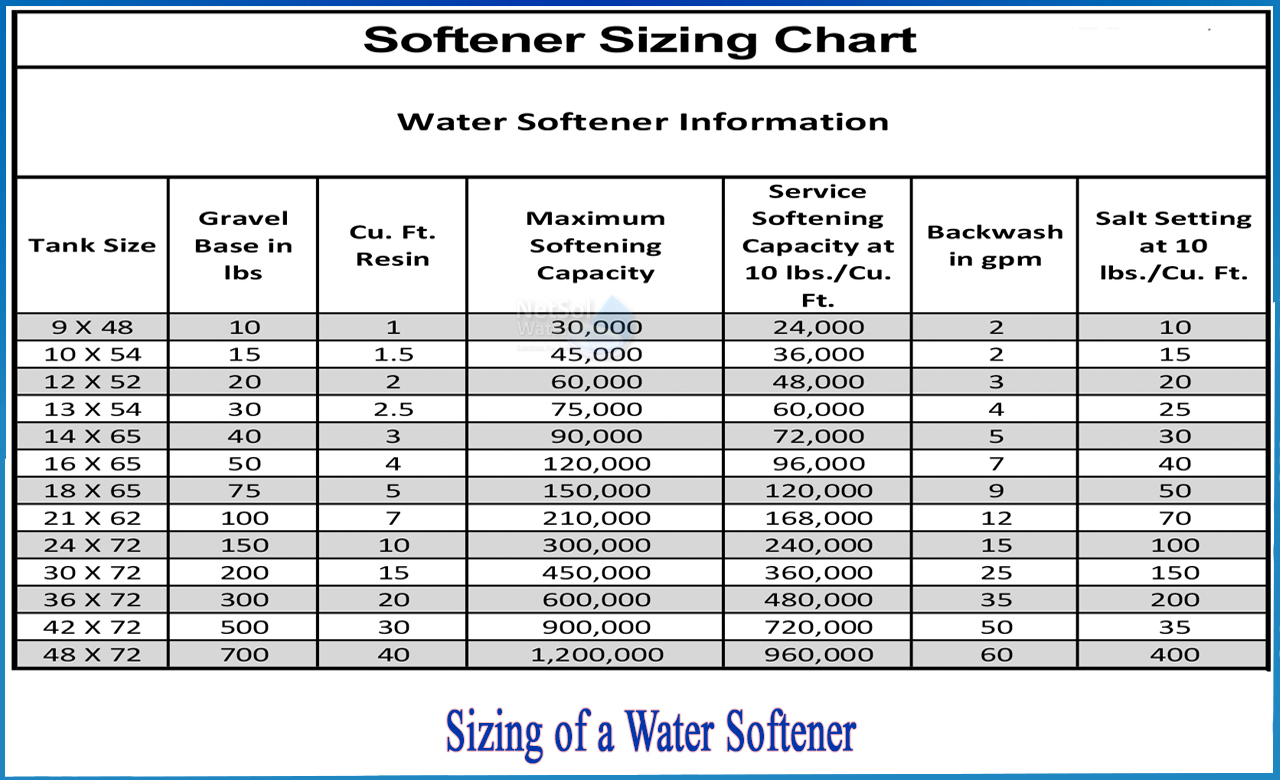 How Much Water Does A Resin Softener Use? – VIIIG
You’ll also pay for the type of system. A standard “salt-based” system is the workhorse—cheap to buy, but you’ll refill salt bags forever. A “salt-free” or “conditioning” system costs more upfront (think $2,500 to $4,000) but requires less maintenance and no heavy bags. Which is cheaper long-term? It’s a math problem only you can solve, based on your local water and your patience for lugging 40-pound sacks.
And here’s a whispered secret: some companies charge extra for “premium” features you don’t need. A meter that measures your water usage? Useful. A built-in UV light that kills bacteria? Overkill if your water isn’t already contaminated. Don’t let the salesperson upsell you into a spaceship when you just need a fishing boat.
Signs You’re About to Overpay (And How to Spot Them)
If you get a quote that’s way under $800 for a full install, run the other way. That’s either a DIY job you weren’t ready for, or a unit that will break in two years. Cheap softeners are like cheap shoes—they look great until the sole falls off mid-stride.
Conversely, if someone quotes you over $4,000 without explaining exactly why, ask for a detailed breakdown. “Plumber’s special” isn’t a magic phrase—it’s often a markup for convenience. Get at least three quotes from different local companies, and compare them side-by-side. Your future wallet will thank you.
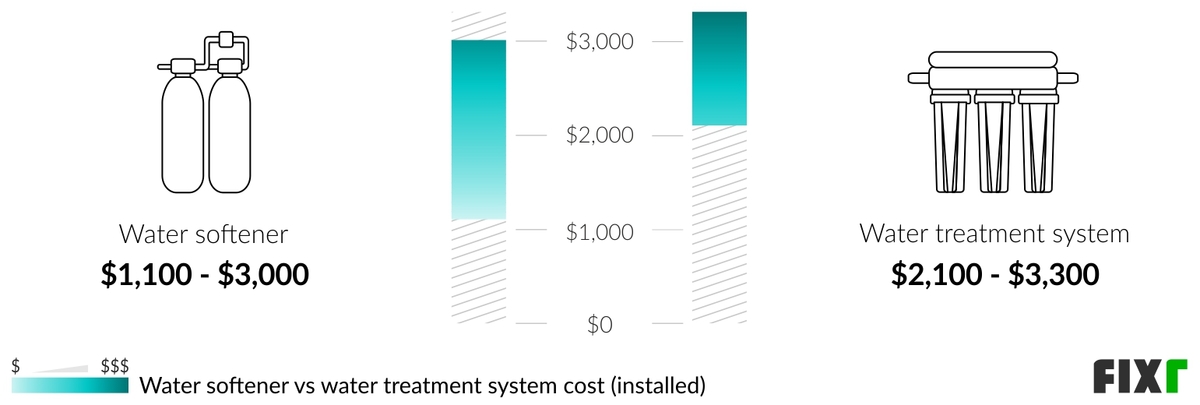 Average Cost of Adding a Water Softener: What You Need to Know
Also, watch for hidden fees: disposal of your old system, additional shut-off valves, or “emergency” service calls. One reader told me she paid $200 for “removal of old salt,” which was code for “the plumber didn’t want to carry a bag to his truck.” Ask about everything, even the salt dust.
The Real Cost of Doing Nothing
Let’s be honest: you’re reading this because your dishes have spots, your hair feels like straw, or your water heater is clogged with mineral gunk. Hard water doesn’t just taste weird—it shortens the life of your appliances by years. A $1,500 softener can save you from replacing a $600 water heater or a $1,200 washing machine. That’s the “how much” you should actually care about.
So, when you ask “water softener how much,” stop thinking of it as a one-time expense. Think of it as a subscription to less frustration and longer-lasting gear. Karen ended up paying $1,800 for a solid system and three hours of good labor. No more sludge, no more panic—just clean, smooth water she can actually drink.
Now, go get those quotes. And maybe buy your plumber a coffee—they’ve earned it. Your pipes deserve a break too.
