Why Is My Water Cloudy

You fill a glass from the tap, ready to hydrate, and instead of crystal clarity, you get a milky, almost ghostly haze. Don’t panic. That cloudy water is rarely a sign of a plu...
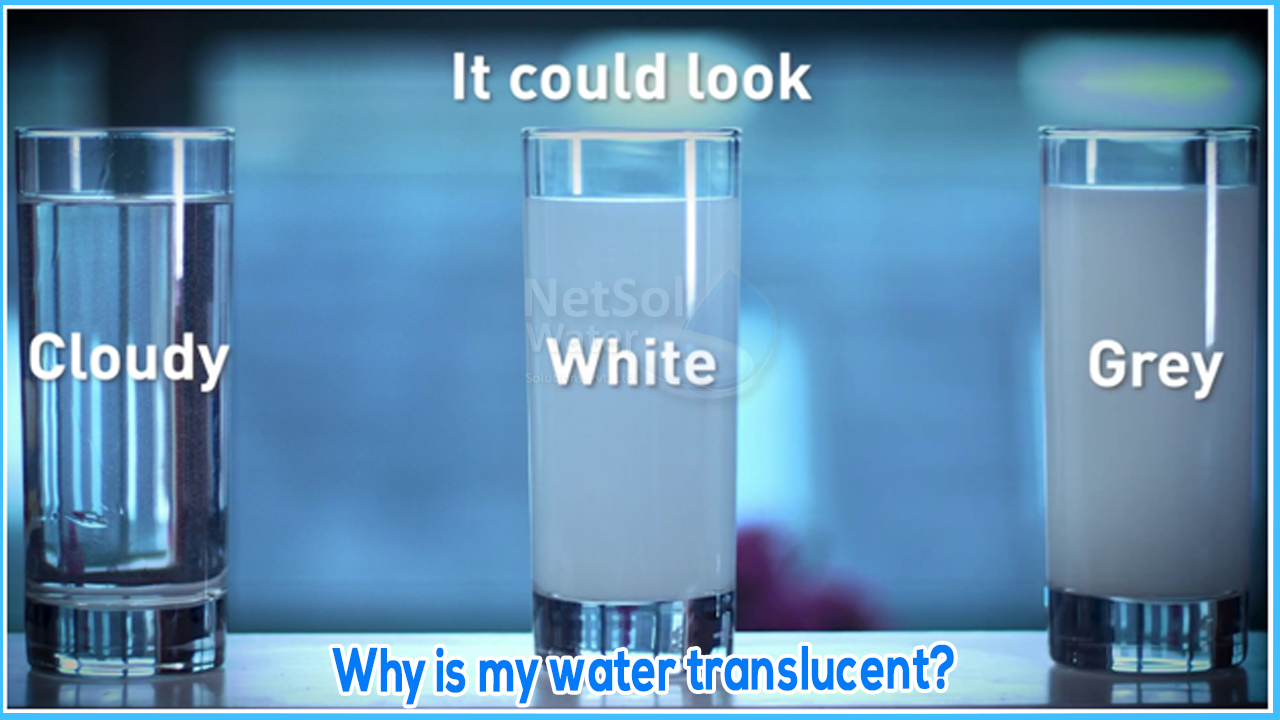
You fill a glass from the tap, ready to hydrate, and instead of crystal clarity, you get a milky, almost ghostly haze. Don’t panic. That cloudy water is rarely a sign of a plumbing apocalypse. More often than not, it’s just a little physics party happening in your pipes.
Ninety-nine percent of the time, that cloudiness is simply trapped air. Think of it as a tiny, harmless bubble bath for your H2O. When water is under pressure in the mains, air dissolves into it, and when you release that pressure at your faucet, the air escapes as thousands of microscopic bubbles.
So, how do you tell if it’s air or something more sinister? The classic test is the bottom-up check. Fill a clear glass and set it on the counter for sixty seconds. If the cloud clears from the bottom up, like a slow-motion magic trick, it’s just air. You’re good to drink.
Must Read
The Silent Culprit: Sediment and Minerals
If the cloudiness doesn’t vanish after a minute, it might be a different story. Your water could be holding onto tiny particles of sediment—sand, silt, or rust from old municipal pipes. This is more common in older homes or after city maintenance flushes the mains.
There’s also the aesthetic issue of hard water. Rich in calcium and magnesium, hard water can create a faint, chalky haze, especially when it’s cold. It’s perfectly safe to drink, though it can leave a film on your dishes that makes them look unwashed. A simple water filter pitcher can turn that fog into clarity.
Fun fact: The ancient Romans prized hard water for its taste, despite the scale buildup in their famous aqueducts. They just called it “the strong stuff.”
When to Raise an Eyebrow (Not a Panic)
There is one scenario where your cloudiness deserves a closer look: if it’s accompanied by a brown or yellowish tint. That’s usually rust from a corroded pipe, and while it’s not a health emergency, it’s a sign your pipes are getting old. Think of it as your home’s equivalent of a check-engine light.
 Why My Tap Water Is Cloudy | Gas Furnace
Another red flag is a strong chlorine smell along with the cloud. Municipal water is treated with chlorine to kill bacteria, but an unusually high level can cause a temporary haze. Let the water sit in the fridge for a few minutes—the smell and cloud will dissipate. If it doesn’t, a quick call to your local water authority is a smart move.
And if you ever see greenish cloudiness? That’s algae or copper from corrosion. You should definitely use bottled water until you get your pipes inspected. But honestly, that’s rare enough to be a great party story, not a daily worry.
The Cultural Cloud: Water as a Mood
There’s something oddly philosophical about cloudy water, isn’t there? It reminds me of that scene in The Big Lebowski where the Dude stares at his White Russian, indifferent to its murkiness. He knows what’s in there, and he doesn’t need perfect clarity to enjoy it.
In Japan, they have a concept called wabi-sabi—finding beauty in imperfection. A little cloud in your tap water could be your daily reminder that not everything needs to be pristine to be good. It’s just water, doing its natural, bubbly thing.
Pop culture checkpoint: Remember the “cloudy with a chance of meatballs” movie? Your glass is more like “cloudy with a chance of calcium.” Deliciously harmless.
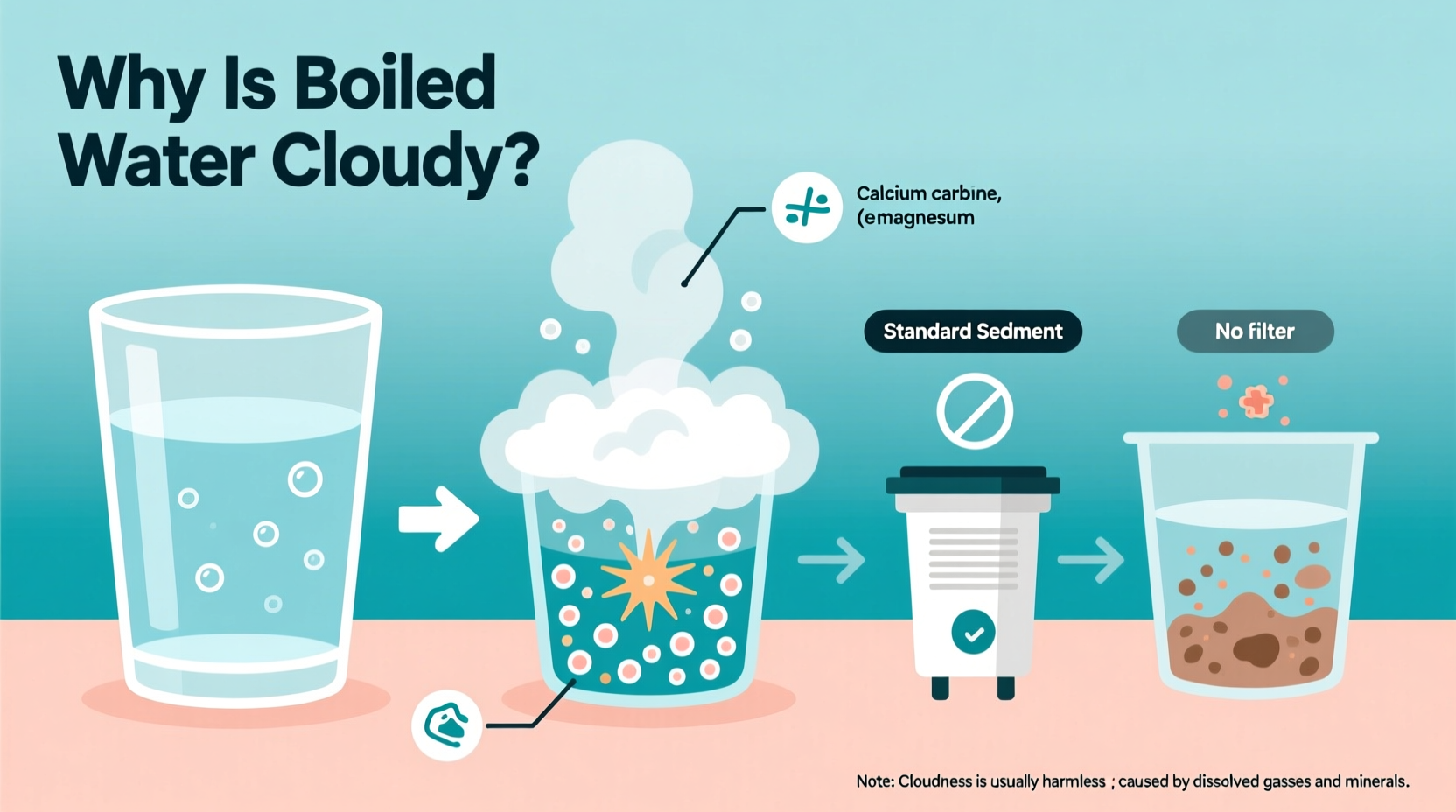 Why Is My Water Cloudy After Boiling Possible Contaminants And Filters
Practical Tips for Crystal Clear Confidence
If the aesthetic bothers you, here’s a quick fix: run the tap for thirty seconds before filling your glass. This flushes out any stagnant water that has spent extra time sitting in pipes and collecting extra bubbles or sediment. It’s like warming up your water’s voice before it sings.
For a long-term solution, invest in a point-of-use filter. A simple charcoal pitcher or faucet attachment can remove both the cloudiness and any off-tastes. It’s a cheap upgrade that makes your kitchen feel like a spa.
Lastly, if you’re on a well, regular testing is your best friend. Cloudy well water can indicate high levels of iron or manganese. A water softener or oxidation filter is your hero here. It turns your rustic water into something that would make a sommelier nod in approval.
The Final Sip
Life is full of moments that seem alarming but are actually just normal. A cloudy sky doesn’t mean it’s the apocalypse; it means moisture is gathering for a gentle rain. Your cloudy glass is the same—a tiny, temporary weather system in your kitchen.
So next time you see that milky swirl, stop for a second. Watch the bubbles rise and fade. It’s a little reminder that clarity sometimes just needs a moment to settle. And by the time you’re ready to drink, the only thing left is the refreshing, simple truth of water. Cheers to that.
