How Much Do Wells Cost

You’re standing in your backyard, sipping iced tea, and suddenly you think, “Wouldn’t it be nice to have my own well?” Maybe your water bill is giving you side-eye, or you’re...
You’re standing in your backyard, sipping iced tea, and suddenly you think, “Wouldn’t it be nice to have my own well?” Maybe your water bill is giving you side-eye, or you’re tired of that faint chlorine smell. The truth is, figuring out how much a well costs feels a bit like asking how much a car costs—it depends on whether you’re buying a beat-up hatchback or a tricked-out SUV.
Let’s start with the basics. A typical residential well runs you somewhere between $3,500 and $15,000. That’s a wide range, right? It’s like the difference between a fancy dinner and a second mortgage. The final number depends on depth, soil type, and whether the water table is generous or playing hard to get.
The Big Factors That Dig Into Your Wallet
First up: depth. If you live in an area where water is a shallow friend, like Florida, you might drill only 50 feet down. That’s a bargain at around $2,000. But if you’re in rocky Colorado, you could be drilling 400 feet—and suddenly you’re paying $12,000 or more. It’s like ordering a pizza: delivery is cheap, but if they have to climb a mountain, you’re paying for the adventure.
Must Read
Then there’s soil and rock. Sandy soil is a dream—drillers can punch through it in a day. But if you hit a layer of solid granite, prepare for your bank account to cry. That’s like trying to dig a hole at the beach versus chiseling a tunnel through a chocolate bar that’s actually a rock. Pro tip: always ask for a soil test before you commit.
The Pump and the Plumbing: The Hidden Heroes
The drilling is just the start. After the hole, you need a pump. A basic jet pump costs about $200, but if you’re going deep, you’ll need a submersible pump—$800 to $2,500. Think of it as the difference between a water gun and a fire hose. Both work, but one will make you feel like a superhero during a drought.
You also need pipes, a pressure tank, and wiring. These add up to $1,000 to $3,000. It’s like buying a new phone: the phone is expensive, but the case, screen protector, and charger make you wonder why you didn’t just stick with your old flip phone. But trust me, once you have a well, flipping a switch and getting free water feels like winning the lottery.
The Surprise Fees That Make You Go “Oof”
Permits can be a sneaky cost. In some counties, they’re $50; in others, $500. It’s like paying for a concert ticket and then finding out parking costs another mortgage. Also, if the driller finds a surprise—like a buried tree stump or an old septic tank—you’ll pay extra. That’s the universe’s way of saying, “You wanted a well? Here’s a plot twist.”
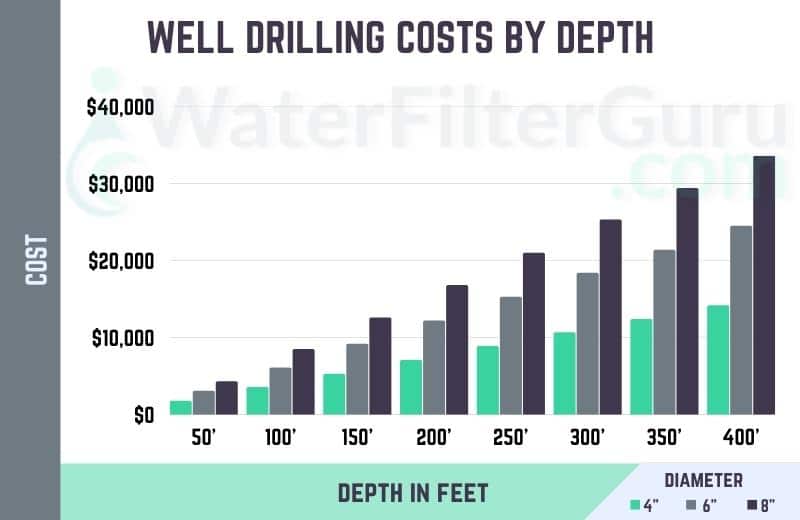 How Much Does a Well Cost? (2024 Well Drilling Cost Guide)
Then there’s water testing. Most places require it—count on $100 to $300. You want to make sure your water isn’t giving you superpowers you didn’t ask for, like glowing or growing a third ear. A friend of mine tested his well and discovered it had so much iron, he could’ve started a medieval sword collection.
The Long-Term Math: Is It Worth It?
Here’s where it gets funny. A well can save you $500 to $1,000 a year on your water bill. So if you spend $10,000 upfront, you’ll break even in 10 to 20 years. That’s about the time it takes for your kids to move out and forget to call. But here’s the kicker: you never worry about water restrictions again. You can water your garden during a drought and feel like a rebel without a cause.
Plus, well water tastes different—crisper, cleaner. It’s like the difference between a supermarket tomato and one you grew yourself. The tomato is free, but you also get to fight off squirrels and bugs. That’s the well owner’s life: a little work, but massive pride.
What You Actually Need to Do Next
Start by calling three local well drillers. Don’t just pick the first one. Ask them, “How deep do you think I’ll need to go?” and “What’s the worst-case scenario?” If they laugh, that’s a good sign. If they start sweating, run. A good driller will give you a ballpark estimate after looking at your property, much like a mechanic kicking your tires.
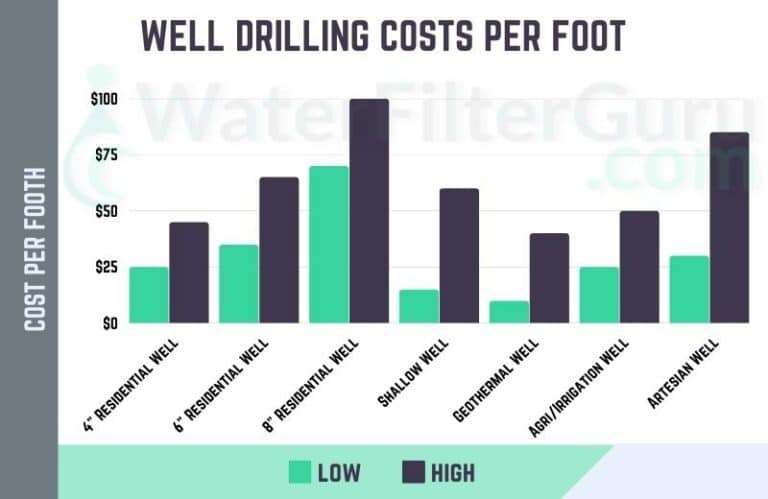
![How Much Does It Cost to Drill a Well? [2025 Data] - Get A Site Plan](https://getasiteplan.com/wp-content/uploads/2024/12/well-drilling-price-range-per-foot.jpg) How Much Does It Cost to Drill a Well? [2025 Data] - Get A Site Plan
How Much Does It Cost to Drill a Well? [2025 Data] - Get A Site Plan
Also, check with your county or state about rebates. Some places offer money back for drilling a well, especially if you live in a drought-prone area. It’s like finding a $20 bill in a coat you forgot about—except that $20 bill is actually a few hundred dollars. Don’t leave that cash on the table.
The “Oh, By the Way” Maintenance Cost
Wells don’t need much, but they do need love. Every few years, you’ll need a pump inspection or water test, maybe $200. If the pump dies after 10 years, replacing it costs $1,000 to $2,500. That’s like your car’s alternator giving out—annoying, but not the end of the world. And honestly, your municipal water system might break down too, but you’re still paying them for the privilege.
One homeowner I know forgot to winterize his well pipes, and they froze. He had to spend $800 to thaw them out. He now talks about his well like a needy pet—needs attention, but worth it. The moral? Love your well, and your well will love you back.
So, how much do wells cost? Anywhere from a splurge to a shock. But when you’re drinking that cold, pure water from your own land, you’ll nod and smile—even if your wallet winces a little. It’s not just a hole in the ground; it’s a badge of honor. And honestly, isn’t that worth a few thousand dollars and a story about that time you accidentally drilled into a boulder?
