What Is Deonized Water

Okay, let’s get real for a second. You’ve probably seen the word “deionized water” on a bottle or heard it muttered by a scientist in a lab coat, and you thought, “Is that jus...
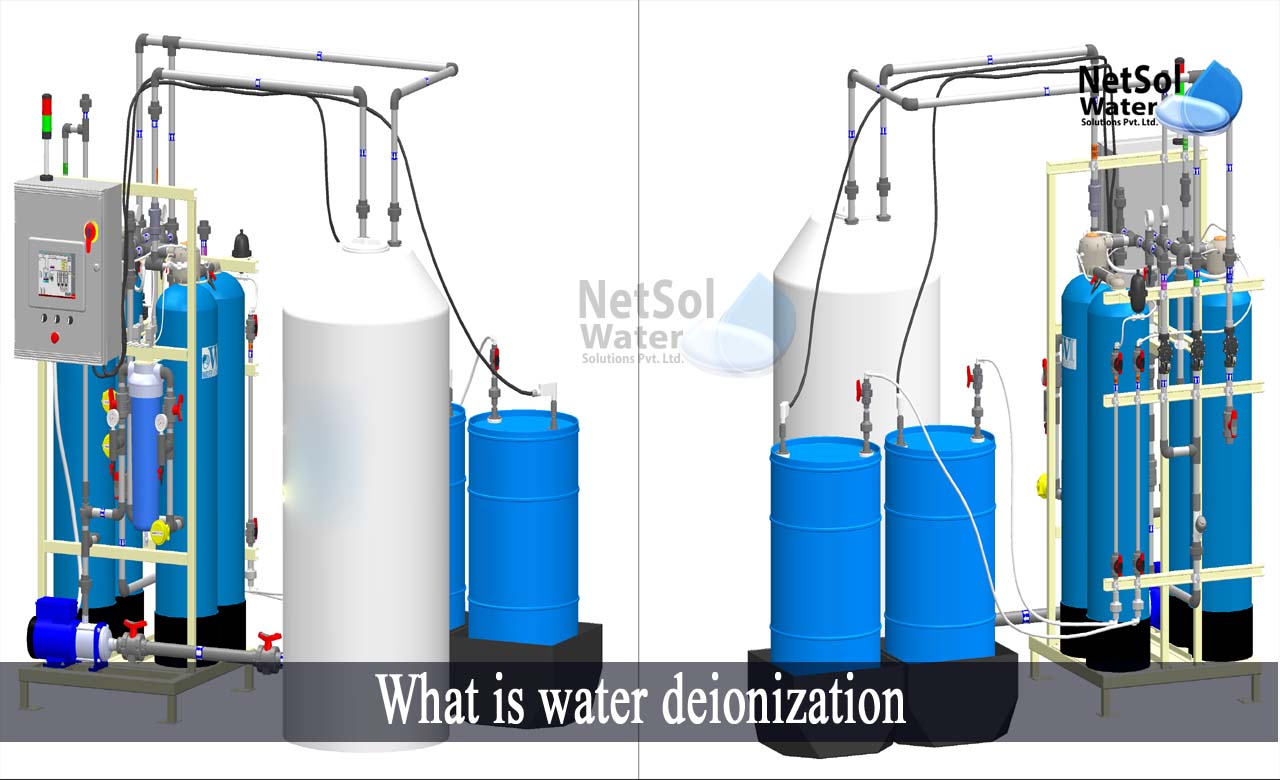
Okay, let’s get real for a second. You’ve probably seen the word “deionized water” on a bottle or heard it muttered by a scientist in a lab coat, and you thought, “Is that just fancy tap water?” Not exactly, my friend. It’s water that’s been stripped of its minerals and ions, like a celebrity who’s lost their entourage—pure, lonely, and incredibly useful.
So, What Actually Is It?
Think of regular water as a social butterfly. It’s full of dissolved minerals like calcium, magnesium, and sodium (you know, the stuff that makes your kettle crusty). Deionized water is the introvert version: all those charged particles—called ions—have been removed.
How do you kick them out? You run the water through a special process using resins that act like magnets for ions. Voilà! You get water that’s “de-ionized”—literally meaning it has no ions left to party with.
Must Read
It’s not the same as distilled water, by the way. Distilled water is boiled and re-condensed, like a steamy romance novel. Deionized water is more like a sophisticated detox—it just pulls out the unwanted charge.
Why Would Anyone Want Boring Water?
I know what you’re thinking: “Isn’t that just… empty water?” Yes, and that’s exactly why it’s so awesome. Imagine trying to clean a delicate microchip—regular tap water leaves mineral spots that could fry the circuits. Deionized water doesn’t leave a trace.
Car enthusiasts love it because it won’t spot your paint job. Chefs use it for precise recipes where minerals could mess with flavors. And yes, lab nerds use it so their experiments don’t get wrecked by random magnesium ions acting like tiny saboteurs.
Fun fact: even your local car wash might use deionized water for that final rinse. It’s the secret behind that squeaky-clean, spot-free shine you pay extra for. No streaks, no drama.
 What Is Deionized Water? Definition, Uses, Risks
The Weird Side of Deionized Water
Here’s where it gets silly. Because deionized water has no minerals, it’s actually thirsty. Like, really thirsty. It will try to pull minerals out of anything it touches—including metal pipes or your skin.
Drink it? Technically you can, but it tastes flat and boring—like a glass of nothing. Some people say it leaches minerals from your body, but unless you’re chugging gallons a day, you’ll be fine. Still, stick to tap water for your hydration needs. Deionized water is for cleaning, not quenching your existential thirst.
Also, it can be a bit corrosive. If you leave it in a metal container, it might start nibbling at the walls. It’s like having a roommate who’s nice but a little too eager to borrow your stuff. “Hey, can I borrow your copper atoms?” No, water. No.
How to Spot Deionized Water in the Wild
You’ll find it in big blue jugs at pharmacies or hardware stores. Look for labels that say “deionized” or “DI water.” It’s often used for:
- Batteries (to avoid short circuits).
- Aquariums (to control mineral levels for sensitive fish).
- Medical devices (like CPAP machines—no scale buildup).
- Spraying plants (to avoid mineral spots on leaves).
Heck, some people even use it for their fancy espresso machines. Why? Because hard water (full of minerals) creates scale that clogs your machine. Deionized water keeps your coffee maker happy and your caffeine flowing. Priorities, people.
:max_bytes(150000):strip_icc()/Flowing_Capacitive_Water_Deionization-5c4d02fa46e0fb00014a2baa.png) Is It Safe to Drink Deionized Water?
Is It Safe to Drink Deionized Water?
But Wait—Is It Safe to Drink?
Let’s clear this up once and for all. Drinking a glass of deionized water won’t hurt you. It’s not toxic. But it’s so pure that it can pull some minerals from your digestive system. Long-term? Not recommended. Plus, it tastes like a sad cloud. Stick to tap or spring water for your daily hydration needs.
Unless you’re trying to win a “most boring beverage” contest. In that case, go for it. You’ll win by a landslide.
The Uplifting Conclusion (I Promised You’d Smile)
So there you have it—deionized water is the quiet, reliable friend who shows up to clean your car, fill your batteries, and keep your espresso machine from screaming. It’s not the life of the party (that’s sparkling water, obviously), but it’s the friend who makes sure everything runs smoothly behind the scenes.
Next time you see a bottle labeled “deionized water,” give it a little nod of respect. It’s not trying to be fancy or flavorful. It’s just doing its job—staying pure, humble, and delightfully boring. And honestly, isn’t that a little bit beautiful?
Cheers to the water that doesn’t need to be anything special to be absolutely essential. You’re doing great, DI water. Keep being you.
