What Is Ph Of Di Water

Picture this: you’re scrolling through a skincare forum, and someone swears by washing their face with DI water. Or you’re in a lab, watching a scientist use the stuff like it...

Picture this: you’re scrolling through a skincare forum, and someone swears by washing their face with DI water. Or you’re in a lab, watching a scientist use the stuff like it’s liquid gold. The term gets tossed around, but what exactly is the pH of DI water?
Let’s start with the basics. DI stands for deionized, meaning the water has had nearly all its charged mineral ions stripped away. Think of it as the Marie Kondo of H2O—nothing left but the essentials, and even those are tidied up.
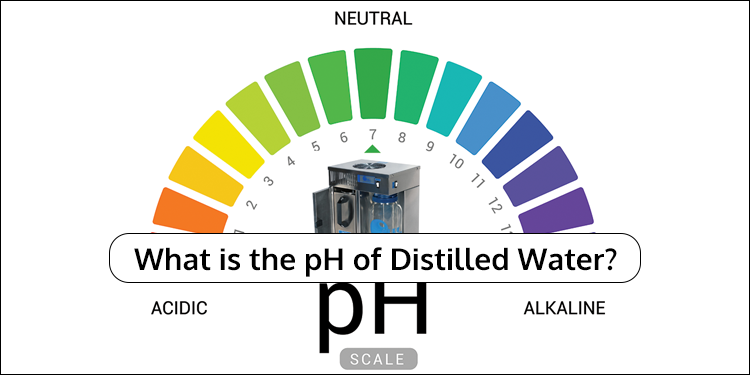
At its purest, the pH of DI water is 7.0. That’s the textbook definition of neutral on the pH scale, right in the middle between acidic lemons and alkaline baking soda. But here’s the twist: that perfect 7.0 is a fleeting, theoretical ideal.
Must Read
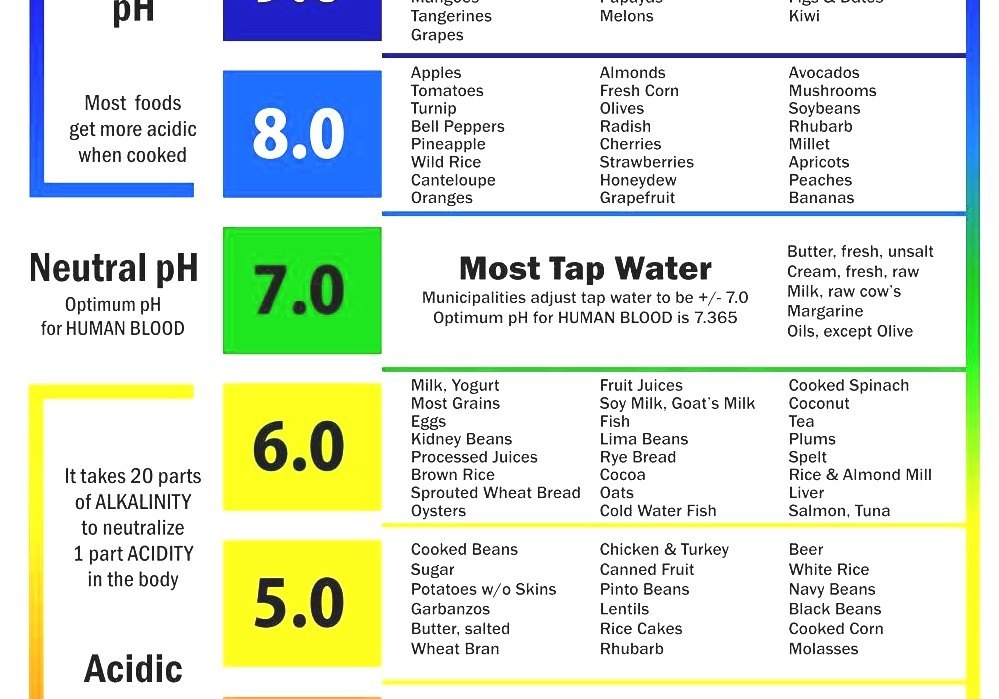
The moment DI water hits the open air, it starts absorbing carbon dioxide (CO2) from the atmosphere. That CO2 reacts with water to form carbonic acid, which gently nudges the pH downward—usually landing somewhere between 5.5 and 6.5.
So, if you were to test your DI water straight from a sealed container, you might see a pH reading closer to 6.0 than 7.0. It’s not “dirty”; it’s just being social with the air around it.
Fun fact: Pure DI water is so “thirsty” for ions that it can actually leach trace minerals from glass or plastic containers. That’s why labs store it in special, inert vessels. It’s the Sherlock Holmes of liquids—always investigating its surroundings.
Why Should You Care About DI Water pH?
Unless you’re a chemist or a hydroponics guru, you might think this is niche knowledge. But DI water has snuck into everyday life, from high-end espresso machines to car detailing and even premium skincare routines.
In an espresso machine, use regular tap water, and scale builds up like a tiny limestone fortress. DI water prevents that, but its low pH can taste flat or slightly acidic. Baristas often add a buffer (like a pinch of minerals) to balance the flavor.
For skincare, the logic is subtle: DI water is free of chlorine and metals that can irritate sensitive skin. But that slightly acidic pH (5.5–6.5) actually matches your skin’s natural barrier. It’s like finding a spa treatment that also does your taxes—unexpectedly efficient.
 Ph Levels In Water
The Practical Reality: Don’t Panic Over Numbers
If you’re testing DI water at home, don’t expect a perfect 7.0. Even premium lab-grade water can dip to 6.8 if it’s been sitting out for five minutes. The human body regulates pH with incredible precision; a glass of 6.0 water won’t throw you off balance.
Pro tip: For home hydroponics or aquarium enthusiasts, always re-mineralize DI water before adding plants or fish. Pure DI water is like a blank slate—too blank—and can stress biological systems. A simple liquid mineral supplement does the trick.
Here’s a mind-bender: DI water is an electrical insulator. Without ions, it conducts electricity poorly. But add a pinch of salt, and it becomes a conductor. It’s the Clark Kent of liquids—mild-mannered until minerals give it superpowers.
Cultural reference: Remember the movie The Martian where Matt Damon’s character creates water from rocket fuel? That water would be extremely pure, almost like DI, and he had to add nutrients to grow potatoes. Even in space, pH matters for survival.
How to Measure DI Water pH Correctly
Using a standard pool pH strip on DI water is like using a cheese grater to slice a tomato—messy and inaccurate. DI water has so few ions that cheap strips struggle to deliver a reliable reading.
Invest in a digital pH meter with a “low conductivity” setting, or choose high-quality lab strips. Better yet, buy a small bottle of pH calibration buffer solution (pH 7.0) to test your tools first. It’s the adult version of a mood ring—but for water.
 Purified Water - Di Water Ph
Fun fact: The pH of DI water is so sensitive that even your breath—rich in CO2—can change its reading. Blowing across the surface of a sample can lower its pH by 0.2 points in seconds. Science is weirdly intimate.
The Environmental Side Note
Producing DI water requires energy and releases wastewater with concentrated minerals. It’s not an everyday sustainable choice for drinking. For household plants or humidifiers, tap water that’s been boiled and cooled is often fine.
But for photography printing, aquarium setups, or cleaning delicate electronics, DI water is irreplaceable. Its consistent neutrality (give or take a point) prevents unwanted reactions and spots. It’s the unsung hero of tech and art.
Cultural reference: In the TV show Breaking Bad, Walter White uses DI water for his blue meth—because purity is the whole point. Let that sink in next time you look at your water filter.
Tying It All Back to Daily Life
So, what is the pH of DI water? In a vacuum, it’s 7.0. In the real world, it’s a flexible 5.5 to 6.5—a soft spot on the pH scale that invites curiosity, not concern. It’s a reminder that even the purest things are shaped by their environment.
Reflection: The next time you pour a glass of tap water, consider its invisible treasures—the minerals, the ions, the subtle dance of pH. DI water strips all that away, leaving a blank page. But life, like water, is more interesting with a little complexity. Your favorite cup of coffee, the lush green of a plant, even your skin—they all thrive on balance, not purity. Maybe that’s the real lesson: neutral is a wonderful starting point, but the richness comes from what you add.
