What Is A Bladder Tank

You’ve probably never thought about your bladder tank—until the moment your washing machine goes on the fritz or your well pump starts chattering like a nervous squirrel. Let’...
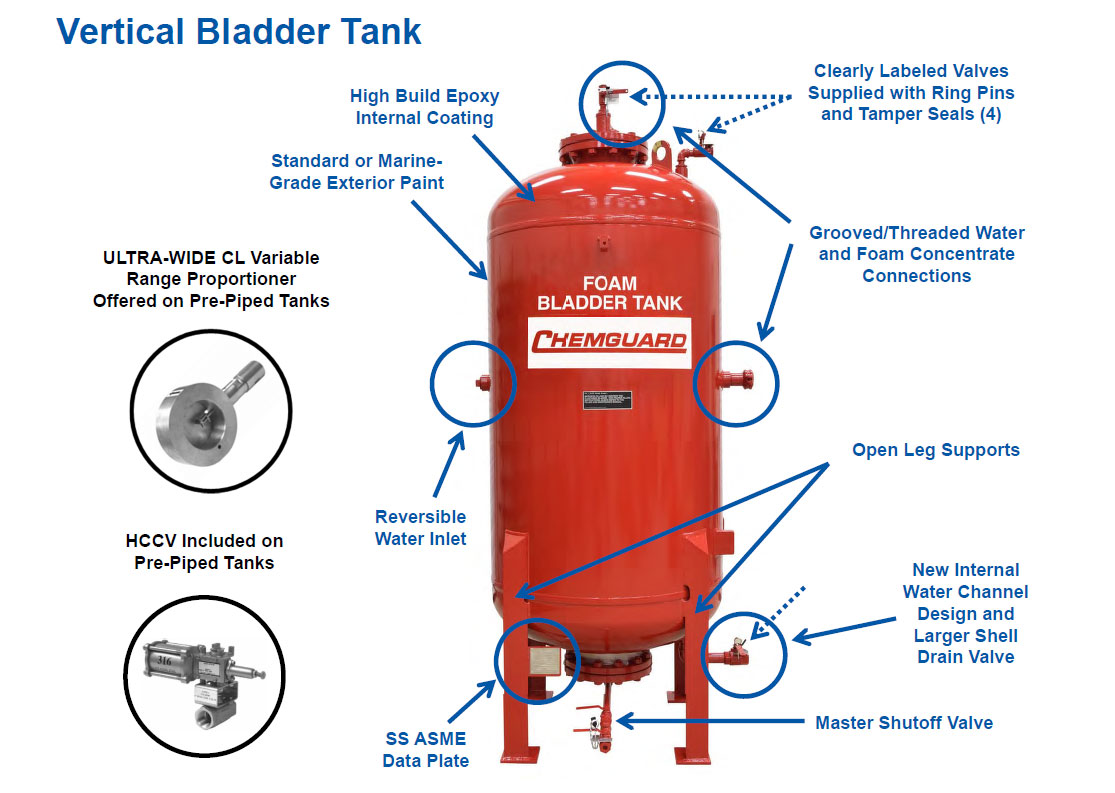
You’ve probably never thought about your bladder tank—until the moment your washing machine goes on the fritz or your well pump starts chattering like a nervous squirrel. Let’s fix that. A bladder tank is that unassuming, often metallic cylinder lurking in your basement, garage, or utility closet, quietly performing a miracle of modern plumbing.
Your Home’s Silent Pressure Hero
At its core, a bladder tank is a pressurized water storage vessel that works with your well pump or municipal water system. Inside, a rubber bladder (think of it as a heavy-duty balloon) separates water from a cushion of compressed air. When you turn on a tap, that air pushes water out smoothly, without the pump having to kick on for every single drop.
This clever design means your pump doesn’t cycle on and off like a hyperactive hummingbird—saving energy, reducing wear, and giving you steady water pressure. Without it, you’d experience the dreaded “pump surge” where water spits and stutters from the faucet like a bad karaoke performance.
Must Read
Think of it as the buffer zone between you and your water source. It’s the unsung hero that lets you fill a glass without hearing a mechanical groan from the bowels of your house.
Why Should You Care? (Beyond Nerd Appeal)
If you’re on city water, a bladder tank still matters—it helps prevent water hammer, that ominous banging in pipes when you shut off a faucet fast. It’s also essential if you have a pressure tank for irrigation or a fire suppression system. In off-grid and rural homes, it’s non-negotiable for consistent water flow.
Fun fact: The first practical bladder tank was patented in the 1950s, but the concept of using air pressure for water delivery dates back to ancient Roman aqueducts. They just used lead pipes and slaves instead of rubber bladders—progress, people.
Cultural reference: Remember the scene in The Martian where Mark Watney uses a similar pressure principle to launch himself? Your bladder tank is that reliable, but for clean water and zero explosions.
How It Works in Plain English
Your well pump fills the tank until the air pressure reaches a pre-set “cut-off” point (usually around 50–60 PSI). When you open a faucet, the compressed air pushes water out without the pump running. As water leaves, pressure drops to a “cut-in” point (around 30–40 PSI), and the pump kicks on to refill.
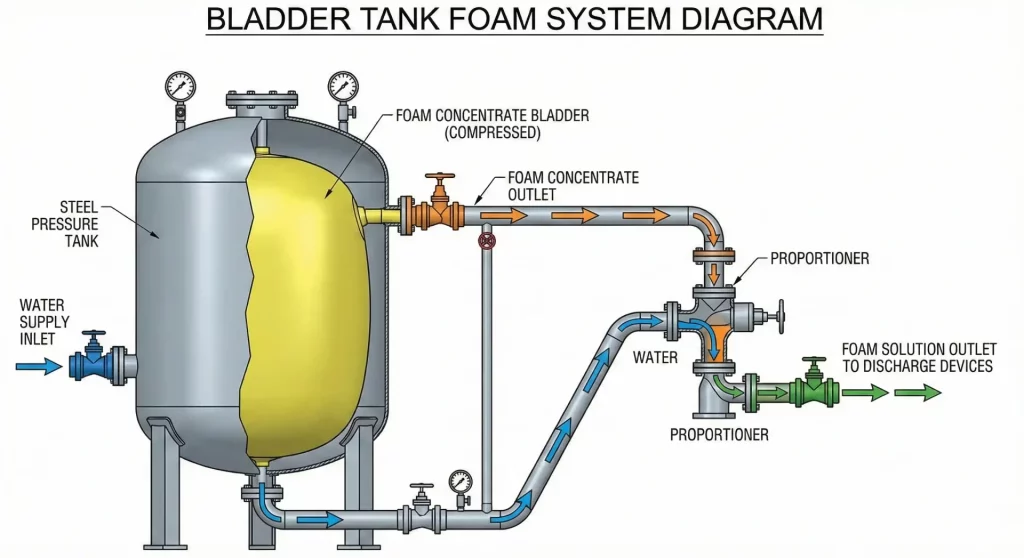 Bladder Tank Foam Fire Fighting System for Industrial Safety
This cycle is called a drawdown cycle, and it’s where the magic lives. A properly sized tank gives you minutes of water on demand before the pump wakes up—enough to wash your hands, rinse a dish, or fill a pet bowl without any mechanical drama.
The bladder itself is usually made from butyl rubber or EPDM, the same material used in roofs and garden hoses. It flexes thousands of times over its lifespan—like your yoga instructor after too much coffee.
Practical Tips: Keeping Your Tank Happy
Check your air pressure once a year. Turn off the pump, open a faucet until water stops, and use a tire gauge on the air valve (yep, it’s exactly like checking your car tires). Adjust with a bicycle pump to 2 PSI below your pump’s cut-in pressure. Too low? You’ll get water logging and pump burnout. Too high? You risk breaking the bladder.
Don’t let your tank sit in a freezing garage. Water expands when frozen, and that rubber bladder isn’t magic—it’ll split like a popsicle in a vice. If your tank lives near snow, insulate it with a foam sleeve or relocate it to a conditioned space. Trust me, frozen tank repair is not a fun weekend project.
Listen for signs of trouble. If your pump cycles on and off every 10 seconds (called “short cycling”), your bladder may have failed. Waterlogged tanks also make a thumping sound when you draw water. Treat these symptoms like a check engine light—ignore them, and you’ll be replacing your pump next.
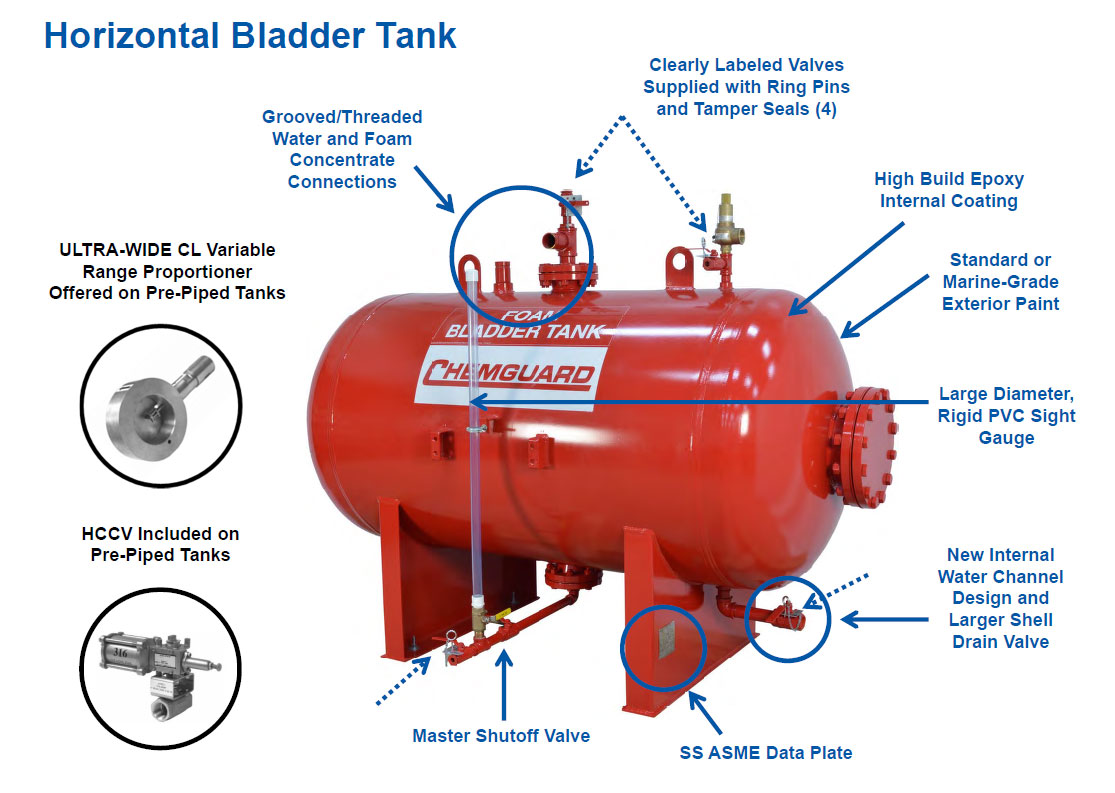 What Is A Bladder Pressure Tank - Design Talk
The Water-Softener Connection
Many homes combine a bladder tank with a water softener. The tank stores softened water for non-potable uses (like laundry), extending the life of your reverse osmosis system. A little cross-talk between systems goes a long way—think of it as a plumbing bromance.
Sizing matters: a typical 40-gallon tank holds about 10–12 gallons of usable water. For a family of four, aim for a drawdown of 10–15 gallons per minute. That translates to a 40- to 60-gallon tank. Pro tip: undersized tanks wear out pumps faster than a cheap suit wears out its lining.
Fun Little Facts to Impress Your Plumber
The largest bladder tanks are used in municipal water towers, holding millions of gallons. Your home version is essentially a scaled-down water tower with better interior design.
Bladder tanks are sometimes called “hydro-pneumatic tanks” because science. The term “pneumatic” comes from the Greek pneuma (breath), which is fitting—your tank breathes air to give you water.
In the 1960s, a plumber named Lester H. Smith found that adding a rubber bladder inside a steel tank increased water pressure by 40% compared to old-style air-over-water tanks. He became a plumbing legend, though sadly, not a household name.
Reflection: The Quiet Rhythm of Daily Life
When you think about your bladder tank, you’re really thinking about balance. It doesn’t demand attention—it just works, buffering the harsh mechanical stops and starts of modern plumbing, much like your morning coffee buffers the shock of Monday. We live surrounded by these quiet buffers: the shock absorber in your car, the surge protector on your laptop, the padded handle on your favorite mug. They soften life’s edges so we can focus on what matters—like filling a glass of water, washing the dishes, or simply taking a long, steady shower without a single stutter. Your bladder tank won’t ever make headlines, but it sure makes your mornings smoother.
