How To Get Rid Of Lead

So, you’ve got lead. Not like a cool, heavy-metal band lead singer, but the kind that makes your eyebrows raise and your brain go, “Uh, is that bad?” Yeah, it’s bad. Lead is n...
/understanding-lead-poisoning-4135957_final-dc54450fd2734bca8781159ccd0148c4.png)
So, you’ve got lead. Not like a cool, heavy-metal band lead singer, but the kind that makes your eyebrows raise and your brain go, “Uh, is that bad?” Yeah, it’s bad. Lead is not your friend. It’s the uninvited guest who spills wine on your rug and then tries to sell you a timeshare.
But don’t panic! (Okay, maybe a tiny panic, but then wipe your face and keep reading.) Getting rid of lead is totally doable. It just takes a bit of know-how and a whole lot of not licking things. Seriously. First rule: stop putting stuff in your mouth that isn’t food. You’d be surprised.
Where Did This Nuisance Even Come From?
Chances are, if your home was built before 1978, lead paint is hiding under layers of cheerful beige or sad gray. It’s like that old sweater in your closet—faded, creepy, but still present. Old pipes can also be the culprit, spiking your drinking water with a metallic tang.
Must Read
You might also find lead in weird places. Imported ceramics, vintage toys, or even that glittery lip gloss you bought from a street market in 1999. The lesson? Vintage is not always better. Sometimes it’s just lead with a patina.
Step One: Test, Test, and Test Again
You can’t fight an invisible enemy. Well, you can, but it’s messy. Grab a lead test kit from your local hardware store—the ones with little swabs that turn pink or red. It’s like a pregnancy test, but for your walls. Swab a chip of paint, wait ten seconds, and if it changes color, you’ve got a problem.
Don’t just test the obvious spots. Test windowsills, door frames, and especially that chipped baseboard your cat likes to scratch. Oh, and test your water. You can send a sample to a lab or buy a simple home kit. If lead is in your water, you’ll know by the slightly metallic taste, but trust science, not your tongue.
Step Two: Don’t Be a Hero—Call a Pro
Here’s where the playful attitude meets a brick wall of reality. If you have a lot of lead paint—like, peeling chunks everywhere—do not, under any circumstances, grab a sander and channel your inner DIY warrior. That creates lead dust, which is basically microscopic evil glitter that floats into your lungs.
Call a certified lead abatement professional. Yes, it costs money. But so does chemotherapy, and I know which one I’d rather avoid. These folks wear special suits, use HEPA vacuums, and make the lead go poof. You can’t replicate that with a broom and a prayer.
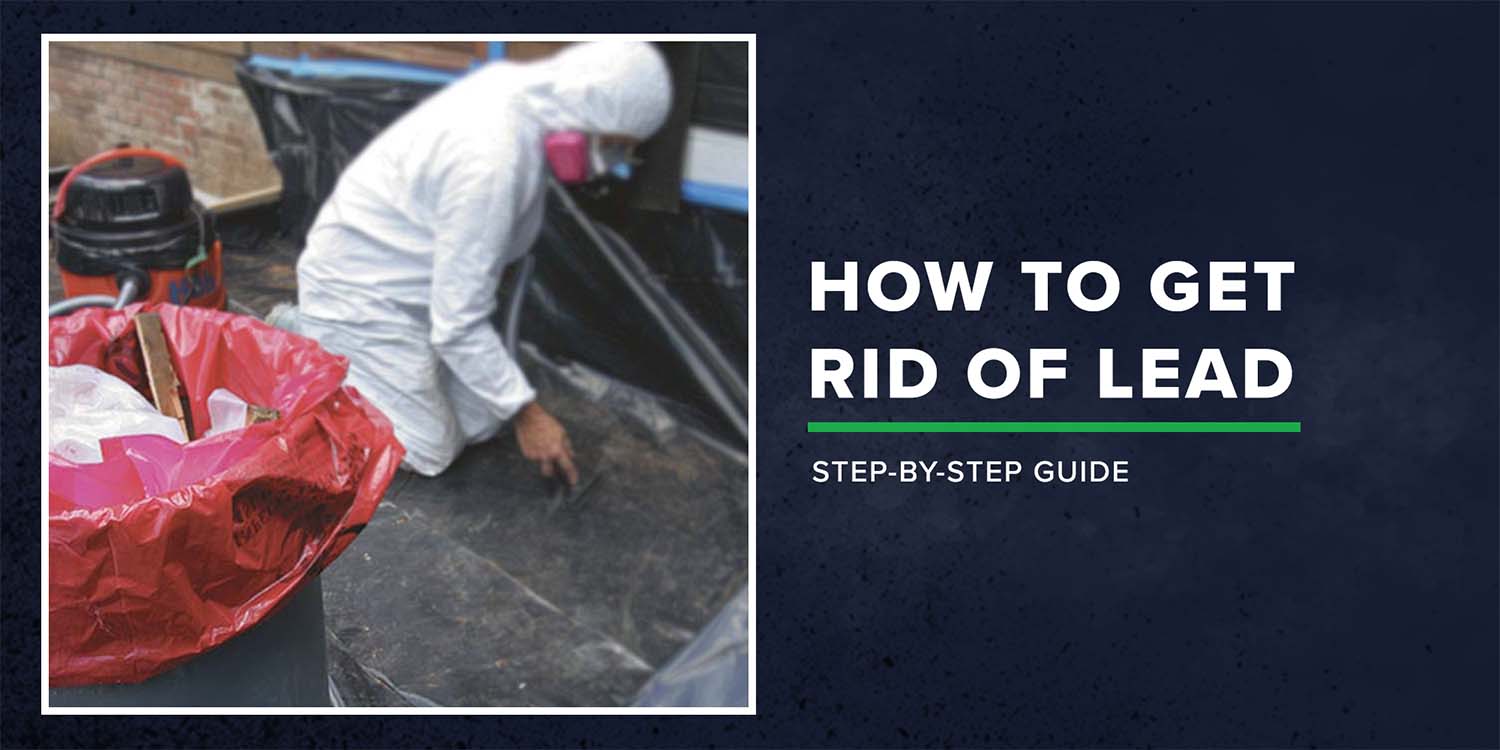 How to get rid of lead paint: A step-by-step containment and disposal guide
The Wet Wipe Method (For Small Areas)
If it’s just a tiny spot—like a single window frame chip—you can handle it yourself. But listen carefully: wet everything down. A dry cloth will just fling lead dust into the air like confetti at a toxic parade. Use a spray bottle with water and a drop of dish soap.
Wipe the area with a damp paper towel. Fold it, wipe again, then toss it in a sealed plastic bag. Double bag it. Treat that towel like it contains the secret to turning into a frog. Then wash your hands like you’re about to perform surgery.
Step Three: Flush That Water
If lead is in your pipes, don’t just run the tap for two seconds. That’s rookie behavior. Run the water for at least 30 seconds before you drink or cook with it. Even better? Run it for a full minute. Use cold water only—hot water dissolves lead faster, turning your morning coffee into a science experiment you didn’t sign up for.
Consider a filter. Not the cheap plastic pitcher from the discount aisle—get one certified to remove heavy metals. Or, if you’re fancy, a reverse osmosis system under your sink. Your kidneys will thank you.
Step Four: Wash Your Hands (Seriously)
Lead is sneaky. It gets on your hands from dust, soil, or that antique keychain you thought was charming. Before you eat, before you touch your face, wash your hands. Not a quick rinse—a full, soapy, sing-Happy-Birthday-twice scrub.
 Pencil Lead Stuck In Finger at Lucinda Mccathie blog
This is especially true for kids. Little ones put everything in their mouths—chipped paint, dirt, your phone. Keep their hands clean, and keep their play areas wet-wiped. The goal here is to break the chain of “floor to mouth.” It’s like a food chain, but with fewer lions and more medical bills.
Step Five: Embrace the Wet Clean
Never dry-sweep or vacuum a lead dust zone. Regular vacuums just blow the dust back out like a grumpy dragon. Use a HEPA vacuum or a wet mop. Yes, you’ll have damp floors for a while. Wear socks. Live the dream.
Mop with a mild detergent—something like a phosphate-free cleaner. Rinse the mop head in a bucket of water, then dump that water down the toilet (not the sink or garden—lead loves soil). This is a temporary habit, not a lifestyle. Once the lead is gone, you can go back to being lazy.
A Final, Cheeky Note on Diet
You can’t eat your way out of lead poisoning, but you can help your body fight it. Foods rich in iron, calcium, and vitamin C can reduce lead absorption. Think leafy greens, dairy, oranges, and red meat. Basically, a salad with cheese and a glass of OJ. But don’t use that as an excuse to ignore the real cleanup.
And for crying out loud, stop chewing on pencils. I know they’re not made of lead anymore, but it’s a bad habit. Your body deserves better. You deserve water that tastes like water, not a pencil sharpener.
So there you have it. Lead is a party crasher, but you’re the host. Test, wet-wipe, call a pro, and wash your hands until they’re pruny. You’ve got this. Go forth and de-lead your life—one damp paper towel at a time.
/understanding-lead-poisoning-4135957_final-dc54450fd2734bca8781159ccd0148c4.png&description=How+To+Get+Rid+Of+Lead)