What Is Good Water Ph

So, you’ve heard someone say, “Oh, I only drink water with a perfect pH,” and you immediately thought, “Is that like… a fancy juice cleanse? Or something my garden needs?” Don...
So, you’ve heard someone say, “Oh, I only drink water with a perfect pH,” and you immediately thought, “Is that like… a fancy juice cleanse? Or something my garden needs?” Don’t worry—you’re not alone. Let’s dive into the wild, wet world of water pH, and I promise we’ll keep the science stuff as light as a fizzy bubble.
What Even Is pH? (A Tiny, Fun Crash Course)
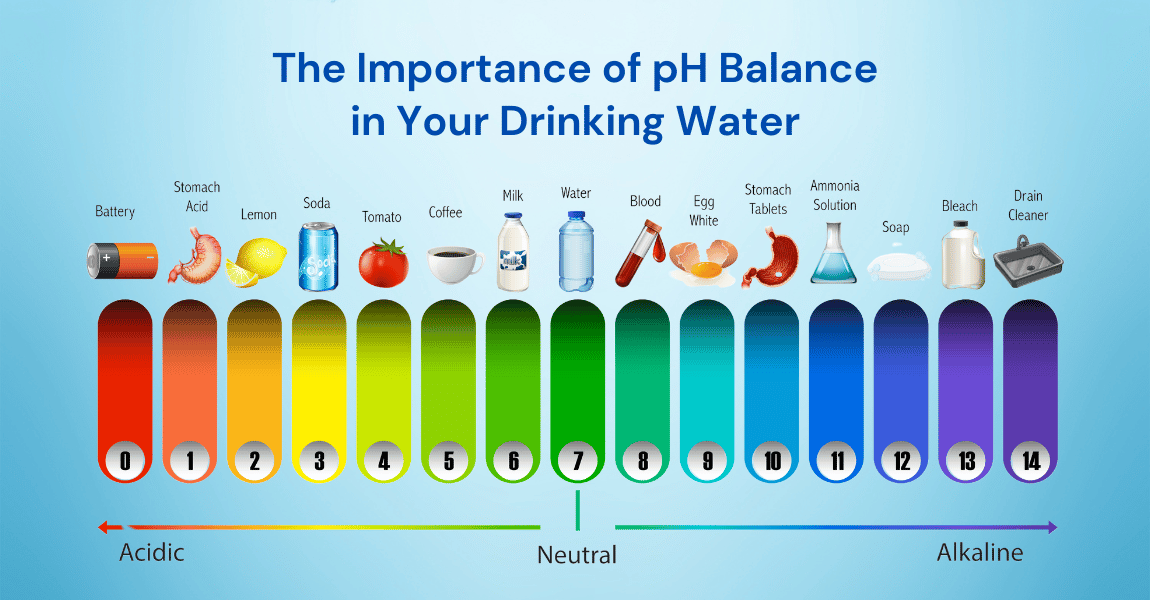
pH is just a fancy way of saying “potential of Hydrogen.” Think of it as a bouncer at a club for acids and bases. The scale goes from 0 (super acidic, like battery acid—yikes!) to 14 (super alkaline, like drain cleaner—double yikes!). Right in the middle, at a 7, lies pure, neutral water.
Imagine water doing a perfect cartwheel. That’s 7.0. But most of the water we actually drink? It’s not a perfect gymnast. Tap water usually swings between 6.5 and 8.5, which is totally fine—like a casual game of catch instead of Olympic trials.
Must Read
Why does this matter to you? Because your body is a pH-obsessed control freak. It works really hard to keep your blood at a steady 7.35–7.45. That’s like a Goldilocks zone—not too hot, not too cold, just right for your cells to sing karaoke.
So, What’s “Good” Water pH for Drinking?
Here’s the punchline: Good water pH is mostly a myth for healthy people. Seriously. Unless you’re a science experiment or a picky houseplant, your body doesn’t care if your water is a 6.8 or an 8.2. It’s like asking if a slice of pizza is “good” because it’s exactly 12 inches long—it’s pizza, folks! It’s fine.
The U.S. Environmental Protection Agency (EPA) says municipal tap water should be between 6.5 and 8.5. That’s a pretty wide net—like saying “acceptable hat sizes.” Why the range? Because water picks up minerals like calcium and magnesium from the ground, and those tweak the pH slightly. Little mineral hitchhikers are usually a good thing!
But what about all those “alkaline water” ads with celebrities smiling and holding fancy bottles? They claim high-pH water (like 8 or 9) will “neutralize acid” in your body and give you superpowers. Spoiler alert: Your stomach acid is stronger than a T. rex’s temper (pH 1.5–3.5!). A little alkaline water gets swooshed around in there and becomes regular stomach juice. No magic, just burps.
The Real “Bad” pH: When Water Gets Cranky
If your water has a pH below 6.5, it can start acting like a metalhead—literally. Acidic water can leach copper, lead, or zinc from your pipes. That’s not good. Ever tasted a penny? That’s the flavor of metallic, acidic water. Yuck.
On the flip side, water above a pH of 8.5 might taste bitter or soapy, like sucking on a Tums. It can also leave white, chalky deposits on your coffee maker. Your coffee deserves better. So does your espresso machine.
 Ph Of Bottled Water Chart | PH Explained: Understanding pH in Your
The sweet spot for most people? Somewhere between 6.5 and 7.5. It tastes clean, it’s easy on your pipes, and your body doesn’t throw a tantrum. But honestly? If your tap water is within the EPA range, you’re golden—or should I say, pH-latinum?
But Wait—What About Bottled Water & Fancy Filters?
Bottled water companies love to slap “pH Balanced” on labels like it’s a trophy. Newsflash: All water is pH balanced by the laws of chemistry! It’s like saying “This chair is gravity-certified.” Sure, Jan.
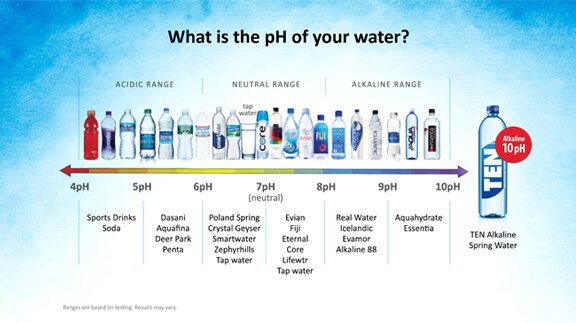
Some brands sell “ionized” water with a pH of 9 or 10. Drinking that won’t hurt you (your stomach acid will laugh at it), but you might pay $3 for a bottle of overhyped tap water. Your wallet will feel the acidity more than your body will.
A simple carbon filter? Great for taste. A reverse osmosis system? Excellent, but it can make water slightly acidic (around 6.0–6.5). That’s still safe to drink, but it might taste flat. Add a pinch of mineral salt or a drop of lemon juice—voilà! Your water is now a happy, balanced buddy.
Testing Your Water pH: A Fun (Optional) Science Project
Curious about your own tap? Grab a cheap pH test strip from a pet store (fish tanks love them). Dip it in a glass. It’s basically a stick that blushes. Compare the color to the chart. That’s it! You’re now a citizen scientist in your kitchen.
If it’s between 6.5 and 8.5, pat yourself on the back. Your water is good. If it’s outside that range, don’t panic—just call a plumber or your local water authority. They’ll tell you if your pipes are made of 1970s dreams.
 Drinking Water Ph
Pro tip: Don’t test your water after a rainstorm, because, surprise, rainwater is a bit acidic (pH 5.6). That’s normal—like a sad puppy on a cloudy day. It’ll pass.
What About Your Body’s pH? (Spoiler: It’s Fine)
Your body doesn’t let you change its pH by guzzling water. It has kidneys and lungs that work overtime to keep things steady. Drink fancy pH water? Your kidneys just pee out the extra minerals. Drink a soda (pH 2.5!)? Your body immediately buffers it with bicarbonate. You’re a walking chemistry lab, and you’re magnificent.
The real enemy of good health isn’t water pH—it’s dehydration. So drink water! Any water. Even if it’s a humble pH of 7.1. Your cells will send you a thank-you note (via osmotic pressure, but still).
The Uplifting Conclusion That Leaves You Smiling
So, what is good water pH? It’s the pH you don’t have to obsess about while you’re busy living your awesome, weird, messy life. It’s water that flows from your tap, tastes clean, and keeps you hydrated while you chase your dreams—or just chase your cat off the kitchen counter.
Remember: The best water is the water you actually drink—whether it’s from a plastic bottle, a fancy filter, or a tapeworm-clear stream (please boil that one). Your body is a pH miracle machine. Trust it. Love it. Give it a glass of water and a high-five.
And if anyone ever asks you, “But what’s your water’s pH?” just smile, shrug, and say, “Perfect enough to hydrate a human.” Then take a sip. You’ll be right. You’ll always be right. You’re a pH wizard, and the world is your slightly wet oyster.
