What Is Ppm For Water

You know that moment when you fill a glass from the tap and it tastes like a swimming pool? Or maybe it has that faint, earthy scent of a forgotten basement? That’s where PPM...
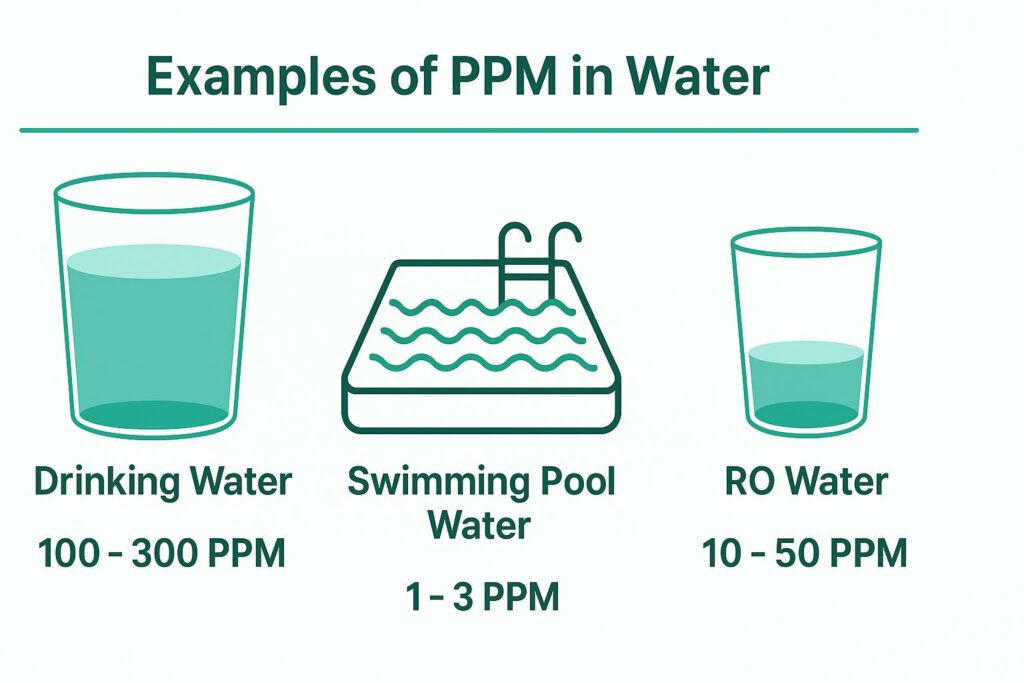
You know that moment when you fill a glass from the tap and it tastes like a swimming pool? Or maybe it has that faint, earthy scent of a forgotten basement? That’s where PPM sneaks into your life, like a nosy neighbor who knows exactly what's running through your pipes. PPM stands for "parts per million," and it’s the water world’s way of counting the tiny hitchhikers in your glass. Think of it as the metric for microscopic guests that you never actually invited to dinner.
Imagine you’re at a stadium concert with 999,999 other fans. You’re the one holding a single, sad cup of flat soda. Congratulations—you are one PPM of the crowd. In water, that one part is usually a dissolved mineral, a salt, or even a bit of chlorine. It’s not a big deal until your cup tastes like a mouthful of pennies, and then you start wondering who invited all those metallic party crashers.
The Tap Water Two-Step
I remember moving into an old apartment where the water came out looking clear, but after one sip, my tongue felt like it had been licking a battery. A quick test with a little electronic stick showed the total dissolved solids (TDS) were around 500 PPM. That’s the same concentration as a pinch of salt in a gallon of water—but my taste buds refused to believe it.
Must Read
My buddy on the other side of town has water so pure it’s practically a ghost at zero PPM. He calls it "the taste of nothing," and honestly, he loves it. But me? I’m stuck in the 300s, a comfortable middle ground where the water is cold, clear, and only tastes like vague regret when I think about the plumbing.
Why You Should Care (Even If You Hate Math)
You don’t need to memorize a chemistry textbook to appreciate PPM. It’s like a traffic light for your water. Under 100 PPM and you’re cruising in a luxury electric car—super pure, low mineral. Between 200 and 400 is your average sedan: safe, reliable, and maybe a little boring. Over 600? That’s the jalopy that sputters, leaves scale on your kettle, and makes your espresso taste like a mineral bath.
Here’s a ridiculous but true story: I once tried to impress a date by cooking pasta with fancy bottled water. It was 50 PPM—almost distilled. The pasta came out so slippery and sad that it slid off the fork like a greased eel. Turns out, a little mineral (around 150 PPM) helps pasta hold its shape. My love life didn’t recover, but my understanding of PPM sure did.
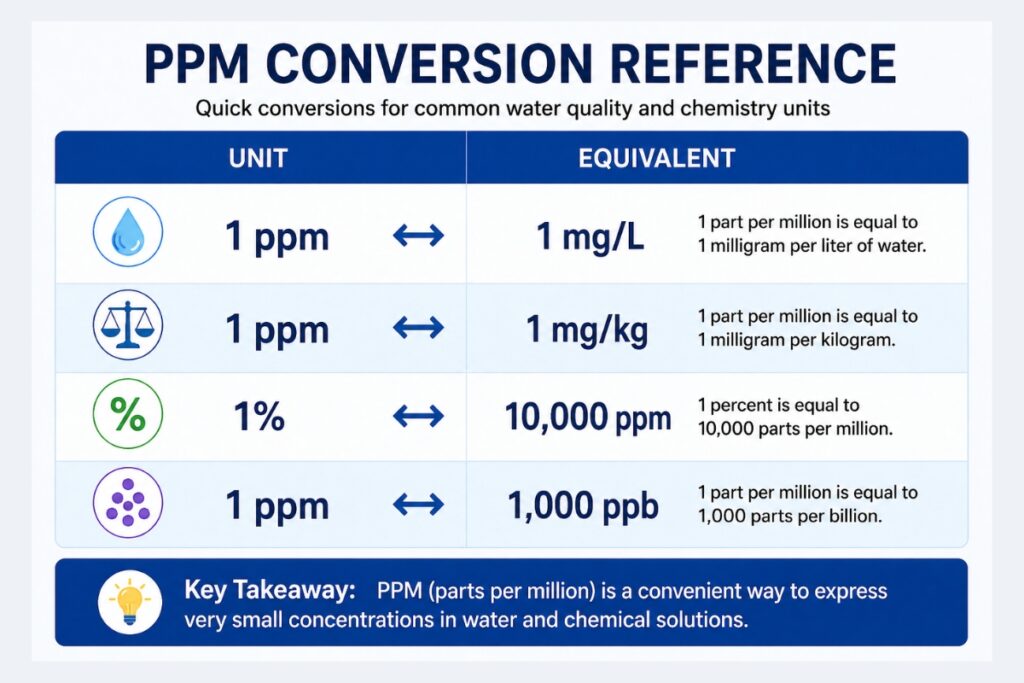 Parts Per Million Calculation: Formula, Examples & Complete Guide
The "Hard Water" Headache
Ever washed your hands and felt like you applied invisible glue afterward? That’s hard water—water high in calcium and magnesium, usually over 200 PPM. It’s the reason your shower door looks like a lizard’s terrarium after a week. My dad used to call it "rock juice," and he wasn’t entirely wrong. You can’t see the minerals, but your hair will feel like straw, and your soap will refuse to foam like a lazy teenager.
On the flip side, low PPM water (under 100) is "soft." It makes your skin feel silky, but it also makes your coffee taste flat and lifeless. It’s a trade-off: do you want squeaky-clean hair or a cup of joe that doesn’t remind you of a fish tank? The real answer is nobody wins, but at least now you know why your shampoo hates you.
Testing the Waters (Literally)
If you’re curious about your own PPM, you can buy a TDS meter for the price of two lattes. It’s basically a pen that beeps at water. I tested my neighbor’s rain barrel once and got a reading of 15 PPM—basically nature’s tears. It tasted like air. Meanwhile, the tap at my local diner hit 450 PPM, and I swear the coffee had a faint hint of gravel. The waitress just shrugged and said, "That’s character."
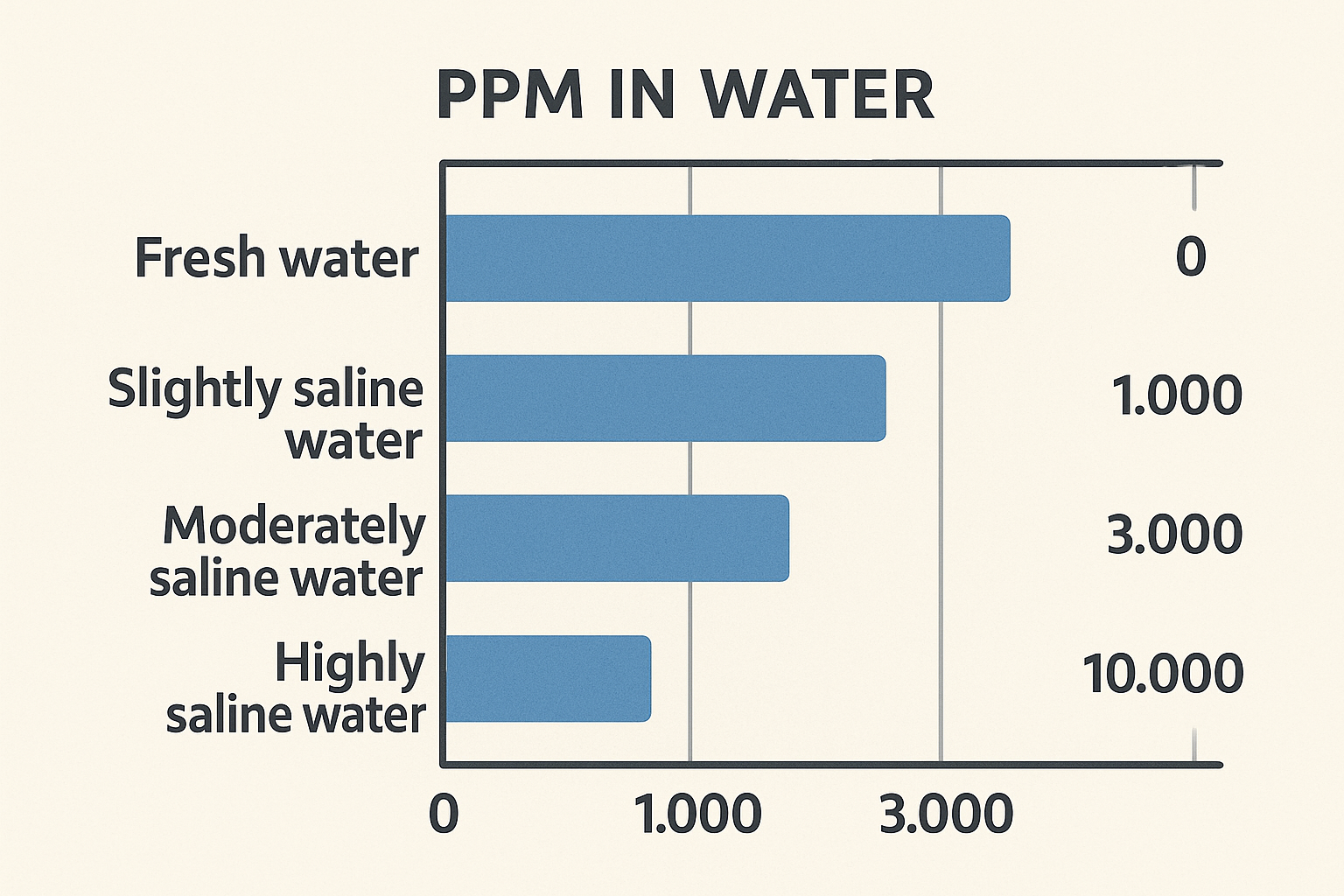 What Is PPM In Water & Why It Matters?
My favorite test was at a fancy restaurant where the server proudly poured "artisan mineral water." I snuck a reading: 340 PPM. That’s the same as my garden hose. I paid eight dollars for hose water. But you know what? It tasted fine, and the bottle was pretty. Sometimes, PPM doesn’t matter as much as the story you tell about it.
The Final Sip
At the end of the day, PPM is just a number, like your age or the price of gas. It gives you context without demanding a commitment. If your water tastes like a swimming pool, you might be looking at high chlorine PPM. If it tastes like a mineral spring, you’ve got calcium and magnesium. And if it tastes like nothing at all, you’re probably drinking from a lab tap, which is fine if you’re a scientist or a very clean robot.
So next time you fill a glass, think about the stadium full of tiny particles. Are they a friendly crowd or a rowdy mob? Is your water a sparkling socialite or a boring hermit? The answer is somewhere in the PPM, but the real magic is in how you live with it. Cheers to the invisible world in your cup—may it always be just right, and never taste like a leftover basketball shoe.
