What Is Pfas In Water

So, picture this: I’m filling my glass from the tap, feeling very eco-friendly, when my friend—let’s call her Karen—snatches the glass from my hand. “Are you crazy?” she hisse...
So, picture this: I’m filling my glass from the tap, feeling very eco-friendly, when my friend—let’s call her Karen—snatches the glass from my hand. “Are you crazy?” she hisses, pointing at the water like it’s a tiny toxic swamp. “That stuff is full of PFAS!” I blinked, thinking, PFAS? Is that a new emoji or a TikTok dance?
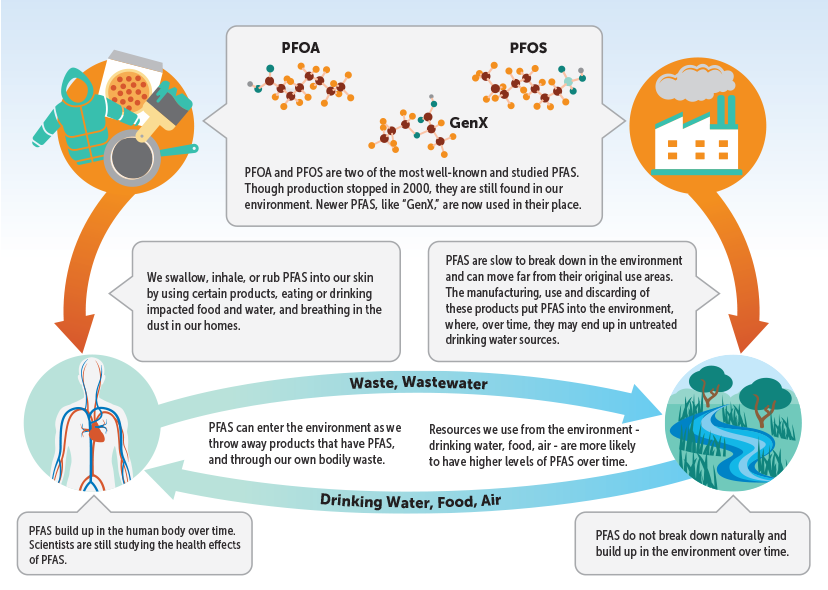
Spoiler: It’s not a dance. It’s a group of chemicals so persistent they should have their own reality show: Forever Chemicals: Never Leaving the Party. PFAS stands for per- and polyfluoroalkyl substances. Sounds like a Scrabble hand, right? But these are man-made chemicals that have been sneaking into our water for decades—thanks to non-stick pans, waterproof jackets, and fast-food wrappers.
Here’s the kicker: they don’t break down naturally. Like that one guest who stays past midnight, they just linger. Our bodies? Not great at kicking them out either. Once PFAS gets in your blood, it hangs around for years—yep, decades—building up slowly. Charming, huh?
Must Read
Wait—How Did They Get in My Water?
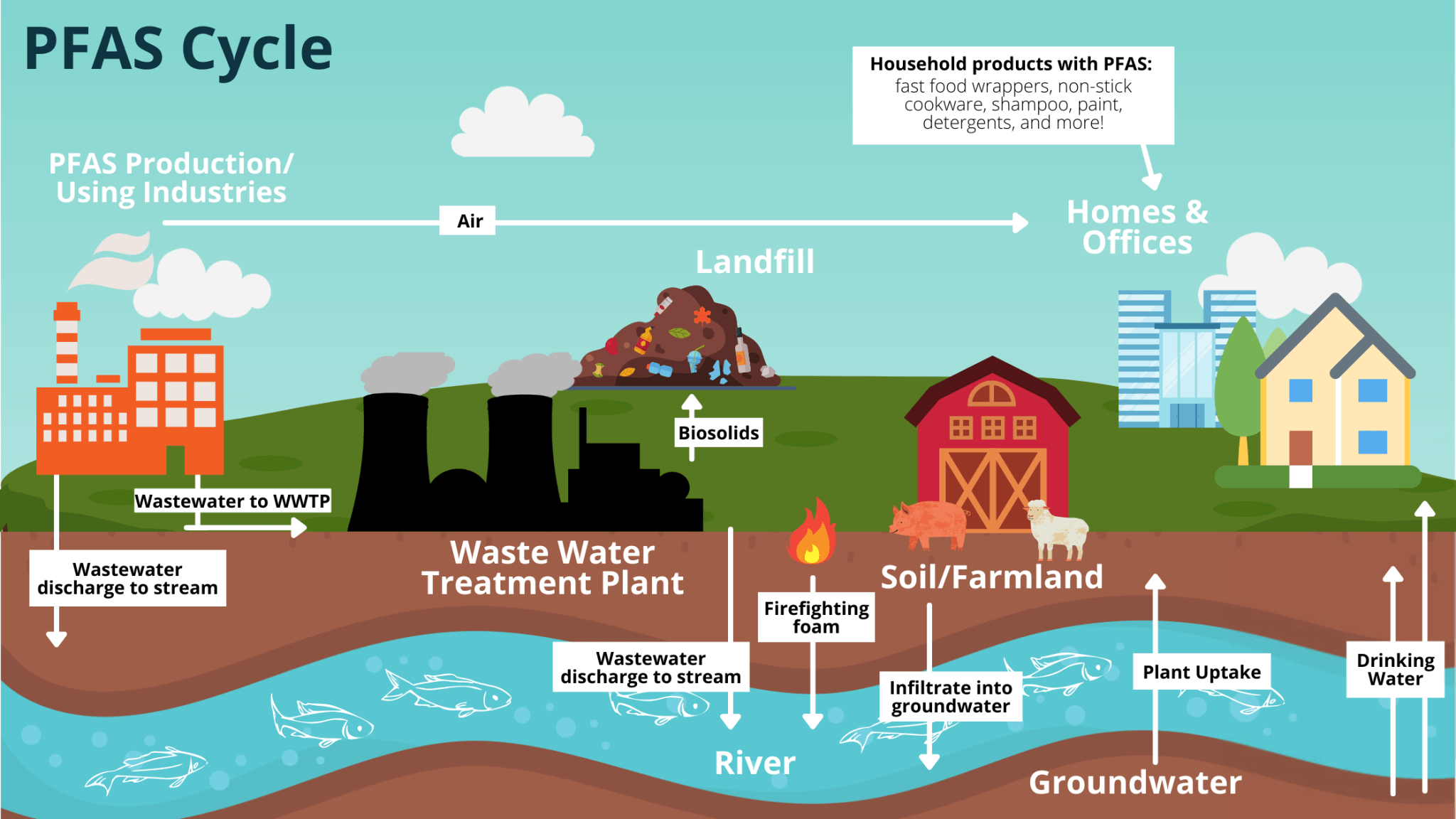
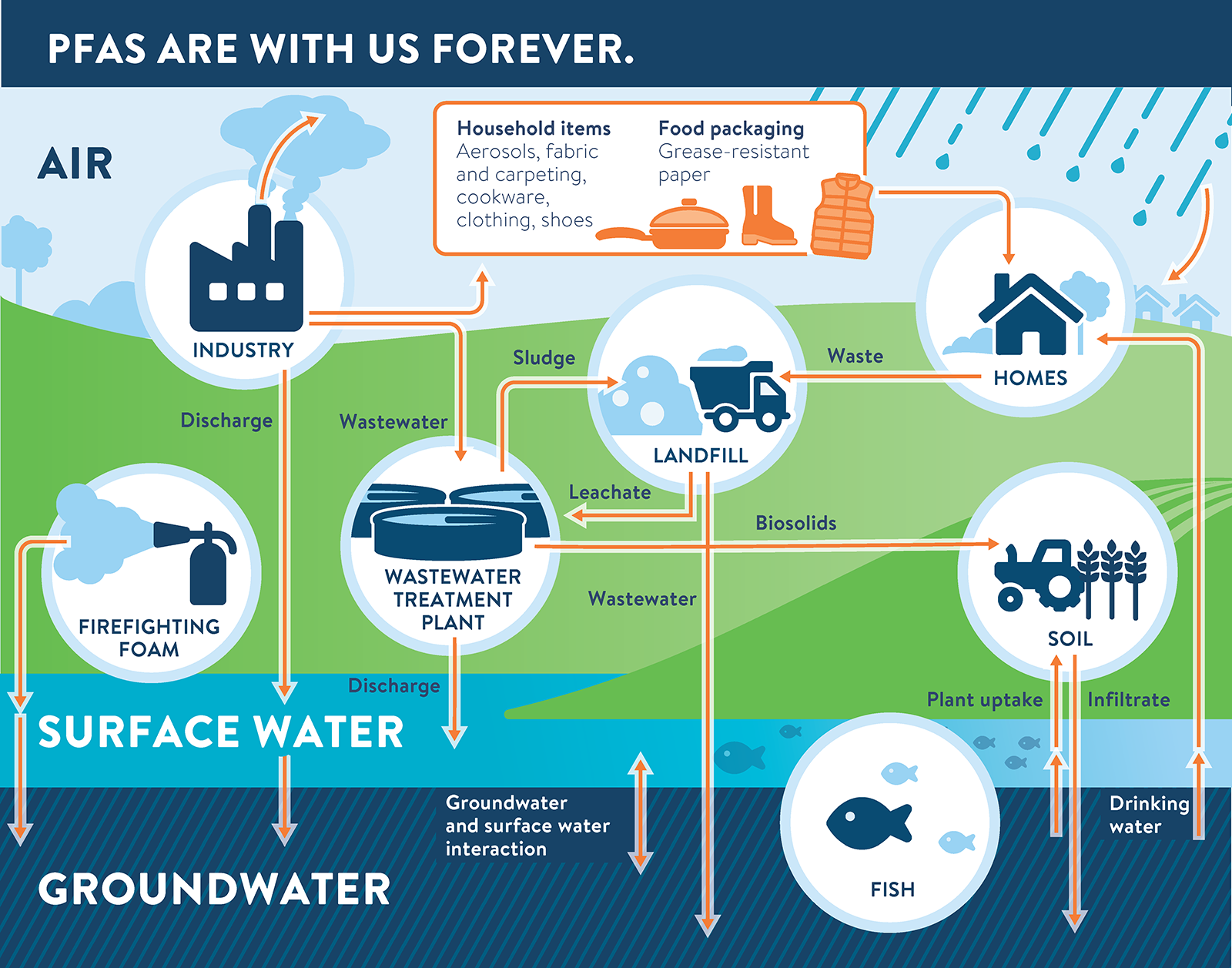
Great question, and I’m glad you asked because it’s not like you woke up one day and decided to sprinkle chemicals into your faucet. PFAS enters water mostly through industrial waste, firefighting foam, and landfills where old non-stick pans go to die. (RIP, omelets.)
Think about it: that waterproof raincoat you love? It’s shedding PFAS into the world every wash. That burger wrapper from last night? Yup, it’s in the landfill, leaching. These chemicals seep into groundwater, rivers, and eventually—your tap.
But Is It Really Dangerous? (Cue the Ironic Eye Roll)
Ah, the million-dollar question. Scientists have linked PFAS exposure to kidney cancer, thyroid problems, and even fertility issues. Fun stuff, right? But here’s the ironic twist: we still don’t know exactly how much is too much. The EPA is setting new limits, but it’s like playing whack-a-mole with a chemistry set.
Let’s be real: you’re probably not keeling over from one sip. But chronic exposure? That’s where things get sticky. If you live near a factory or a military base—where firefighting foam was used—your risk is higher. (Yes, your water might have a chemical past.)
 Per- and Polyfluoroalkyl Substances (PFAS) Facts Related to Drinking
How Do You Know If PFAS Is in Your Water?
You can’t see it, taste it, or smell it. Of course not. That would be too easy. The only way to know is to test your water—like, actually send a sample to a lab. It costs around a hundred bucks. Annoying, I know, but cheaper than a lifetime of wondering if you’re drinking Teflon juice.
If you’re on city water, your utility might have test results online. Look for “PFAS total” or “PFOA” and “PFOS.” If they say “none detected,” that’s great. If they say “levels above 4 parts per trillion,” well,… you might want to skip the tap water for a bit.
What Can You Do? (Besides Panic-Buying Bottled Water)
First, don’t panic—your body is resilient. Bottled water isn’t always safer, believe it or not. Some brands have PFAS too! Try a carbon filter like a Brita (which catches some—but not all—PFAS) or invest in a reverse osmosis system. It’s pricier, but it catches the sneaky ones.
Second, ditch non-stick pans? I know, I know—your eggs will stick. But ceramic or stainless steel are better. Third, reduce fast food wrappers. I’m sorry, but that burger paper is a PFAS delivery system. (Don’t shoot the messenger; I’m just the blog writer.)
 Per- and Polyfluoroalkyl Substances (PFAS) - Tampa Bay Water
And here’s a fun fact: your body can detox a bit over time. Once you stop ingesting PFAS, blood levels slowly drop—though “slowly” feels like watching paint dry. So it’s not a lost cause.
The Bottom Line: Should You Worry?
Yes and no. Yes, because PFAS is a huge WTF moment for public health. No, because you don’t have to live in a bubble. The key is awareness. Test your water if you can, filter it if needed, and don’t microwave popcorn in those weird bags. (You knew that was weird, right?)
I’m not saying you should become a prepper with a bunker and a water distiller. But being smart about what goes into your glass? That’s just good strategy. Next time Karen snatches your tap water, thank her—then offer her a glass of filtered water with a wink.
So, PFAS in water: annoying, persistent, but not invincible. You’ve got options, and you’re already more informed than most. Now go forth and hydrate—safely.
