What Is Tds For Water

Ever taken a sip of water and thought, “Hmm, that tastes… dusty”? You’ve just met TDS. It stands for Total Dissolved Solids. Don’t worry—it’s not toxic sludge. Think of your...
Ever taken a sip of water and thought, “Hmm, that tastes… dusty”? You’ve just met TDS. It stands for Total Dissolved Solids. Don’t worry—it’s not toxic sludge.
Think of your water as a tiny, liquid nightclub. TDS are the VIP guests floating in the crowd. They’re minerals, salts, metals, and even some organic gunk. Your tongue is the bouncer, and these guests either taste great or awful.
The Dirty Truth: What’s Actually in Your Glass?
If you could shrink down and swim in your tap water, you’d meet some wild characters. Calcium is the chill surfer dude. Magnesium is the bro who makes water “hard.” And sodium? That’s the salty gossip queen.
Must Read
But here’s the kicker: distilled water has nearly zero TDS. It’s like an empty nightclub. Boring! Your body actually misses those minerals.
Some dissolved solids are from nature. Others? Pipe rust. Or that weird “pharmaceutical” left over from someone else’s medicine. Yep, your water might have tiny traces of old antidepressants.
The Quirky Scale: What’s a Good TDS Number?
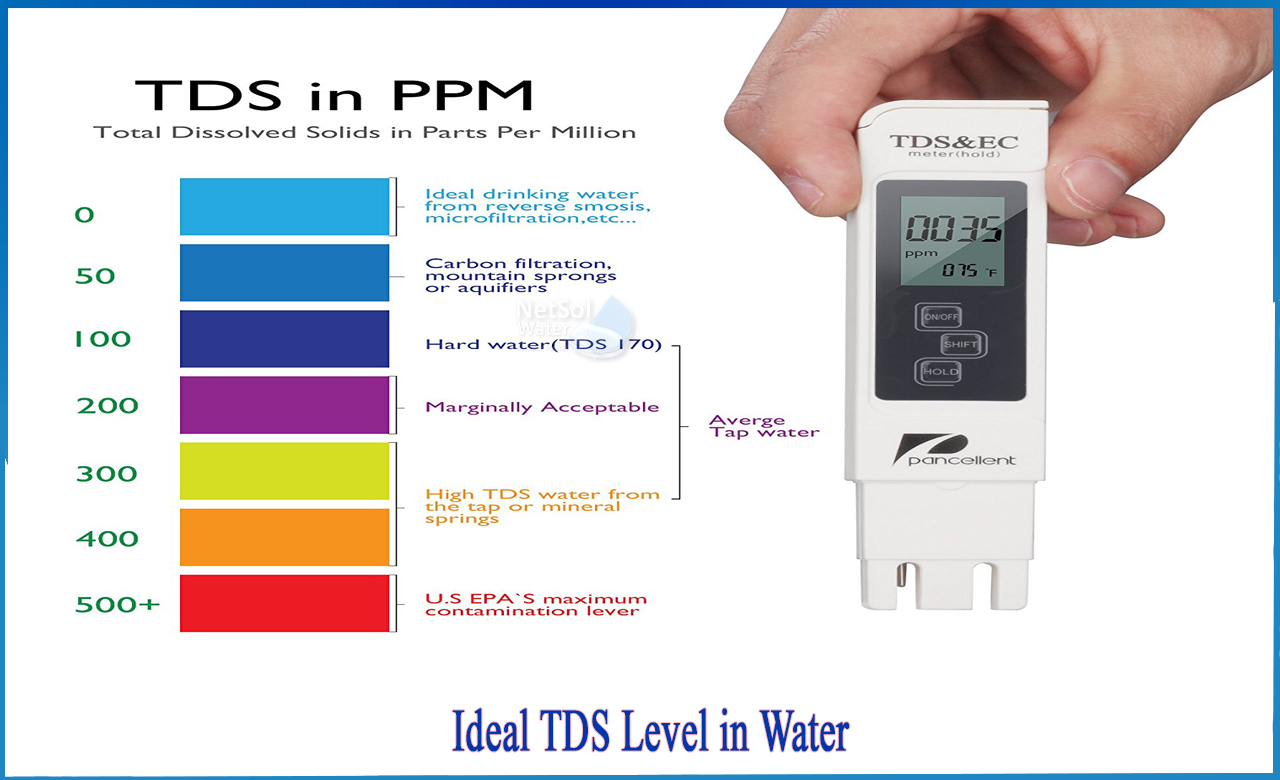
You measure TDS in parts per million (ppm). Think of it like spice level. 0–50 ppm is like plain white rice. Clean, but lifeless. 100–200 ppm is the sweet spot—perfect for drinking.
Anything over 500 ppm? That water tastes like a mineral lick at a zoo. You’ll get a weird, chalky feel on your tongue. Some springs have 1,500 ppm—people pay big money for that “natural” taste.
Fun fact: Bottled water companies often adjust TDS. They add minerals back in to make it “crisp.” You’re basically drinking designer tap water with a fancy label.
Why You Should Care (Even If You’re Not a Water Snob)
High TDS can ruin your coffee. Hard water makes your espresso taste like a burnt tire. Low TDS? Your coffee turns out flat and sad. Your morning brew is a TDS hostage.
Your kettle hates high TDS. That white crust you see? That’s limescale—mostly calcium carbonate. It’s like your kettle grew tiny limestone teeth. They’ll eventually choke your appliance.
 Understanding TDS in Water: Key Facts – Waterdrop Australia
Even your skin throws a fit. High TDS water makes soap less bubbly. You’ll use more shampoo, and your hair will feel like straw. Your shower is secretly a chemistry experiment.
The Fun Part: Testing Your Own Water Feels Like Spy Work
Grab a TDS meter. It looks like a chunky thermometer. Stick it in your glass. Watch the numbers dance! Boom—you’re now a water detective.
Test the tap. Test the fridge filter. Test your friend’s fancy “alkaline” water. Spoiler: most alkaline water is just expensive high-TDS water with a pH twist. You’ll feel smug.
One time, I tested water from a natural spring. It read 890 ppm. Tasted like licking a damp rock. My friend swore it was “healing.” I just wanted a clean glass of H2O.
The Myth-Buster Moment: “Zero TDS” Is a Lie
Some companies sell “zero TDS” water. They use reverse osmosis to strip everything out. But pure H2O is aggressive. It literally tries to steal minerals from your body. It tastes like nothing, which is somehow disturbing.
Also, zero TDS water can corrode your pipes. It’s like a bored teenager—it has to react with something. That something becomes your metal plumbing.
So, the ideal range for drinking? 150–300 ppm. That’s the Goldilocks zone. It tastes clean but not empty. Your cells give a tiny high-five.
 What Is TDS in Water and What Does it Indicate?
How to Mess with TDS (Like a Kitchen Wizard)
Add a pinch of sea salt to your distilled water. Suddenly, your TDS jumps to 50 ppm. You just made DIY electrolyte water. You’re a mad scientist now.
Boiling water increases TDS. As steam escapes, minerals concentrate. That’s why tea brewed with hard water looks scummy. You’re literally brewing a mineral soup.
Freezing water does the opposite. Ice crystals reject solids. So your first meltwater from an iceberg? Almost zero TDS. That’s why “glacial water” is a luxury item. You’re drinking dinosaur rain.
The Final Weird Fact
NASA astronauts drink water with very low TDS. It’s recycled from sweat. But they add minerals back in for taste. Space water is just fancy TDS math.
Your own tap water likely has 200–400 ppm. Not too shabby. Unless you live in a desert town—then it’s a mineral bomb. Check your local water report. It’s surprisingly fun reading.
So, what’s TDS? It’s the hidden party in your cup. Some parties are refreshing. Others are a dusty mess. Now you know how to be the host with the best glass.
Go test your water. Laugh at the number. And remember: everything is chemistry, even your bedtime glass of cool, clear agua. Cheers.
