How To Read Tds Meter

So you bought a TDS meter. Maybe you’re testing your tap water, or your aquarium, or just trying to look like a mad scientist in the kitchen. Either way, you’re staring at a l...
So you bought a TDS meter. Maybe you’re testing your tap water, or your aquarium, or just trying to look like a mad scientist in the kitchen. Either way, you’re staring at a little gadget with a metal tip and a number that means… what exactly? Don’t worry, I’ve got you. Let’s decode this thing together, like we’re solving a tiny, watery mystery over coffee (which, ironically, has a TDS of its own).
First, what is TDS anyway?
TDS stands for Total Dissolved Solids. That’s just a fancy way of saying “stuff floating in your water that you can’t see.” I’m talking minerals like calcium, magnesium, salt, and sometimes less fun stuff like lead or copper. Think of it as the water’s hidden personality—good, bad, or just kinda meh.
The meter measures this stuff in parts per million, or ppm. A low number means your water is basically a clean slate. A high number? Your water’s got a lot of stories to tell. Some of those stories are gross. Some are actually healthy. We’ll figure out which is which.
Must Read
Step 1: Don’t just dip it in like a barbarian.
Here’s where most people mess up. They grab the meter, dunk it straight into the glass, and wonder why the reading jumps around like a startled cat. Slow down, friend. Take off the cap first (obvious, but you’d be surprised). Then, gently dip the metal probes into your water—about an inch deep. Don’t go full submarine. Swirl it lightly for a second to get rid of air bubbles, because bubbles are liars.
Now, hold it still. The number will bounce around like a kangaroo on caffeine. That’s normal. Wait about 10 to 15 seconds until it settles. That steady number? That’s your TDS.
What do the numbers actually mean?
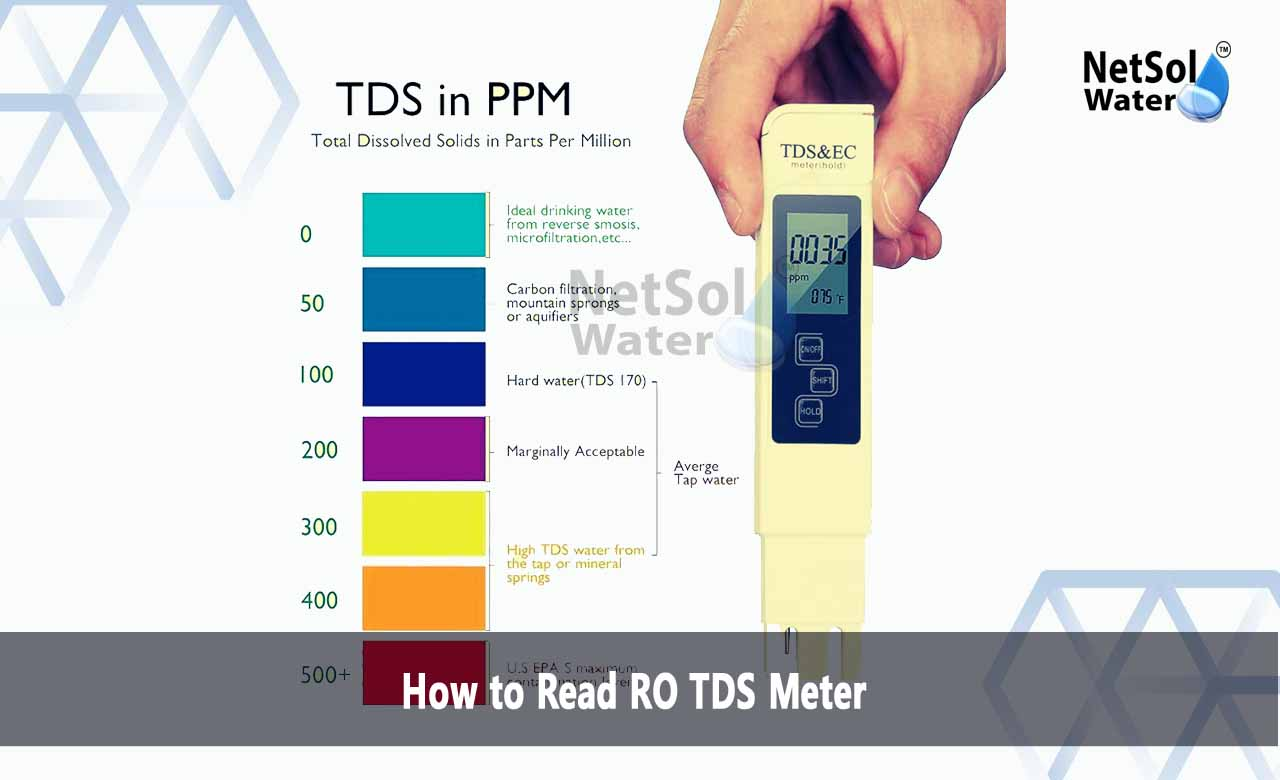
Okay, let’s get real. A reading of 0 to 50 ppm is basically distilled water—almost pure H₂O, like a zen monk of liquids. It tastes flat, though. Not great for coffee or tea. A range of 50 to 150 ppm is where most tap water lives. It’s fine. Drinkable. Your plants won’t complain.
From 150 to 300 ppm, you’re getting into “mineral water” territory. Think bottled spring water with a little personality. 300 to 500 ppm is hard water territory—lots of calcium and magnesium. Your kettle might get scaly, but you won’t die. Now, anything above 500 ppm? That’s, uh, a little concerning. It could be fine (some natural springs are high), but it could also mean your water has salt, rust, or pollutants. Trust your gut—and your local water report.
 Tds Water Meter Chart – What Is A Tds Meter – FPYK
Pro tip: Taste test? Nah, don’t do that.
You might be tempted to sip the water and compare. Don’t. Your taste buds are terrible judges. A high TDS might taste salty or metallic, but low TDS can taste like nothing—which is actually weird. Let the machine be the expert. You just drink the fancy stuff.
When should you freak out?
Here’s the playful part: context is everything. A TDS of 400 ppm in your tap water might mean you need a filter. But a TDS of 400 ppm in your aquarium? Your fish might throw a fin. For drinking water, the EPA recommends under 500 ppm. For coffee, baristas swear by 100 to 150 ppm for the perfect extraction. For a saltwater tank? You’ll want something like 35,000 ppm—but don’t drink that. Seriously. Don’t.
So calm down. A high reading isn’t always a crisis. It might just mean you have “hard” water, which is a nuisance, not a poison. Unless it’s super high. Then maybe call a plumber.
What the TDS meter doesn’t tell you
Oh, this is the juicy part. Your TDS meter is a cool little detective, but it’s terrible at being specific. It measures total solids, but it can’t tell if those solids are good (like calcium) or bad (like lead). It’s like a grocery receipt that just says “stuff: $50.” You need a separate test for heavy metals, bacteria, or pesticides. Think of your TDS meter as the gossip—fun, but not the whole story.
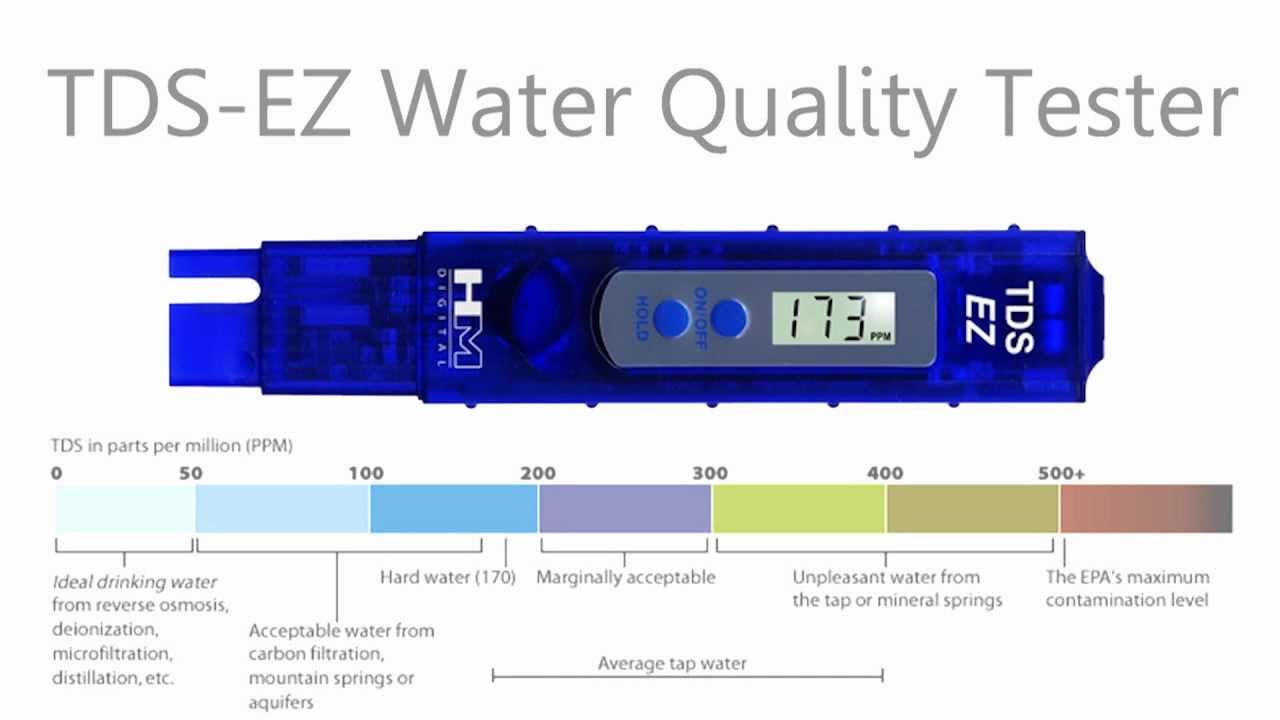 Tds Ec Meter Reading Chart – What is a TDS Meter and Do I Need One
Also, temperature matters. Cold water might read lower than warm water. Don’t stress too much about this, but if you’re being precise (you nerd), measure at room temperature.
Cleaning it: Yes, it gets dirty.
Your cheap little meter isn’t waterproof forever. After each use, rinse the probes with distilled water (tap water will leave its own TDS behind). Pat it dry with a soft cloth. Don’t toss it in the drawer wet, or mold will party there. And store it with the cap on, like a tiny sword in its sheath.
Final coffee-talk wisdom
Look, a TDS meter isn’t a magic truth box. It’s a tool—like a spatula, but for water nerds. Use it to compare your tap water, your filtered water, and your bottled water. See the difference? Good. Now you’re an informed water snob. Just don’t test your coffee. Coffee has a TDS of around 1,200, and you don’t need that level of existential dread in your morning routine. Go forth, measure, and hydrate wisely—but maybe don’t chug anything above 2,000 ppm. You’ll know why.
Oh, and if you accidentally drop the meter in your soup? Congratulations—you now know the TDS of your soup. You’re welcome.
