How To Get Soft Water

So, you’re tired of the crunchy, chalky feeling on your skin after a shower? Or maybe your coffee maker looks like a tiny, sad stalactite cave? You, my friend, have hard water...
So, you’re tired of the crunchy, chalky feeling on your skin after a shower? Or maybe your coffee maker looks like a tiny, sad stalactite cave? You, my friend, have hard water—and it’s time to get soft.
Don’t worry, we’re not talking about emotional fluffiness. We’re talking about water that’s been stripped of calcium and magnesium—the minerals that turn your soap into scummy curds. Let’s dive into the fizzy, silky world of soft water, with a few laughs along the way.
What’s the Big Deal About Hard Water?
Hard water is like that guest who overstays their welcome: leaves a film on everything. It clogs your pipes, ruins your appliances, and makes your hair feel like straw.
Must Read
Soft water, on the other hand, is the spa-day of H2O. It’s gentle on your skin, makes your detergent suds up like a rock concert, and lets your glassware sparkle like a vampire’s smile.
Method 1: The Ion-Exchange Water Softener (The Classic Hero)
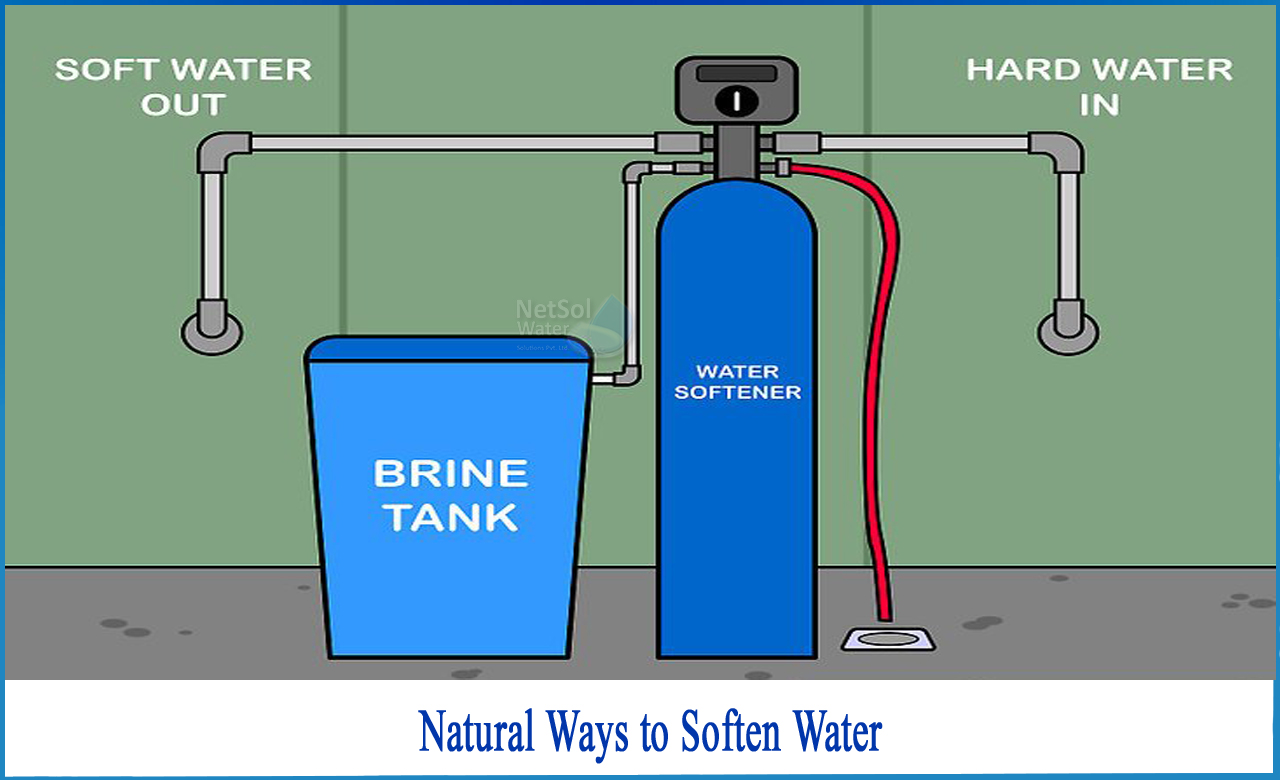
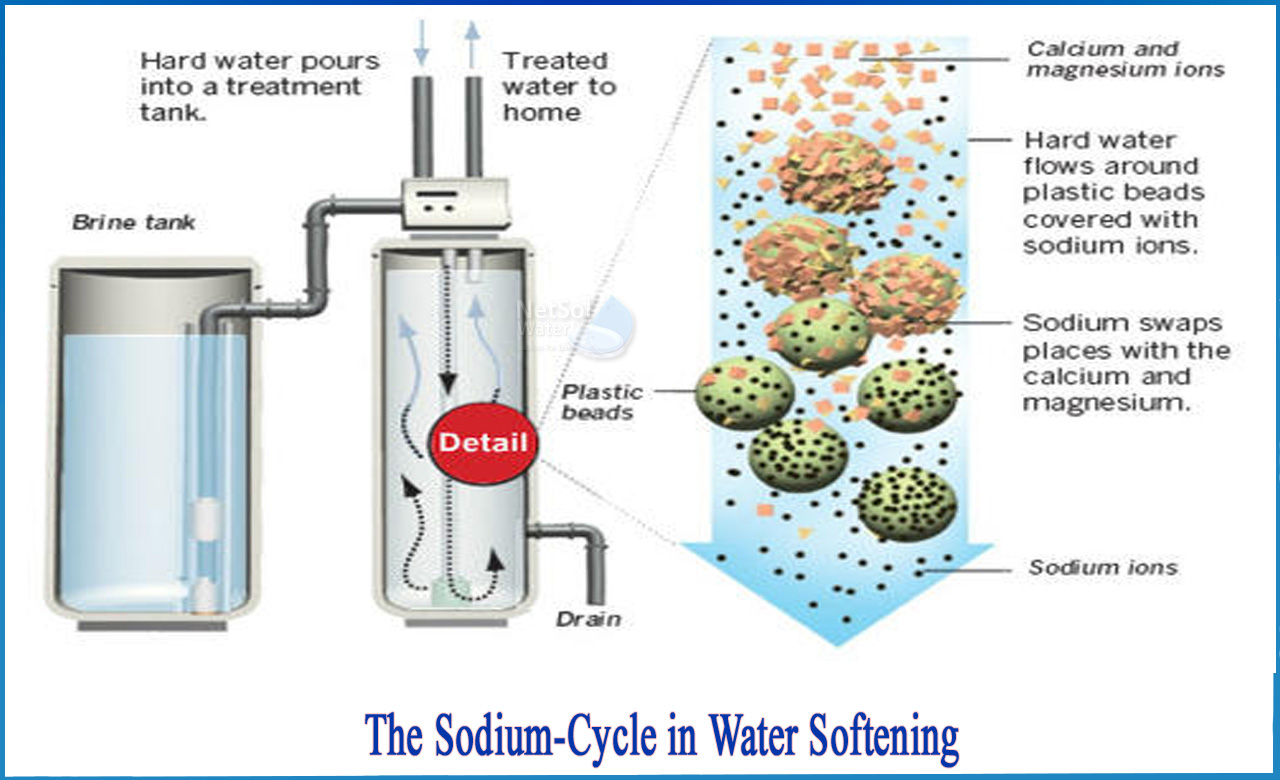
This is the MVP of soft water. It’s a boxy contraption that attaches to your main water line. Inside, resin beads grab onto calcium and magnesium like a toddler hoarding candy, then swap them for sodium or potassium ions.
Here’s the joke: You’re literally trading hard minerals for a pinch of salt. It’s like a water version of a salt-rimmed margarita, but not as fun to drink. Most systems regenerate (clean themselves) automatically, so you just buy salt blocks every few months.
Pro tip: If you’re on a low-sodium diet, look for a potassium-chloride based system. It’s the same magic, but with a potassium kick. Your heart will thank you (and your water will too).
Method 2: The Salt-Free Water Conditioner (The “Fake It Till You Make It” Option)
This isn’t technically soft water—it’s conditioned water. Instead of removing minerals, it changes their shape so they can’t stick to surfaces. Think of it as putting a slippery banana peel under the calcium’s feet.
It uses template-assisted crystallization (TAC)—a fancy science term that means “water that doesn’t leave crusty deposits.” No salt, no tanks, no regeneration cycles. It’s like the lazy cousin who still gets the job done.
Downside: It doesn’t make your water truly “soft” for soap effectiveness. But for tea kettles and pipes? It’s a solid B+ with no maintenance.
 How To Soften Water Manually , How To Soften Hard Water UK – PESY
Method 3: The Magnetic or Electronic Descaler (The Quirky DIY Gadget)
This is the “crystal healing” of water treatment. You wrap a coil of wire around your pipe, plug it in, and it claims to use a magnetic field to alter mineral behavior. Does it work? Scientists say “meh,” but thousands of Amazon reviewers swear by it.
I call this the “placebo for your pipes.” It’s cheap, easy to install (no cutting pipes!), and won’t hurt anything. Worst case? You get a funny-looking wire sculpture in your basement. Best case? Your water feels a bit less angry.
Honest verdict: Good for preventing scale, but don’t expect silky skin. It’s the “I want to believe” approach to soft water.
Method 4: The Reverse Osmosis System (The Overachiever)
This is the Michael Jordan of water filtration. It pushes water through a super-fine membrane that removes everything—minerals, bacteria, even the ghost of yesterday’s coffee. The result? Water so pure it’s almost unnerving.
But here’s the catch: It’s slow, wastes a lot of water (like a leaky faucet with ambitions), and costs a pretty penny. It’s fantastic for drinking water, but treating your whole house? That’s like using a Ferrari to take out the trash.
My advice: Use this for your kitchen faucet only. Pair it with a whole-house softener, and you’ll have the silkiest shower and the crispest ice cubes on the block.
Method 5: The Boiling-and-Waiting Trick (The Hail Mary)
Mic drop: If you boil hard water, the calcium turns into white flakes that sink to the bottom. Let it cool, pour off the top, and voilà—temporarily soft water!
This is great for a single pot of tea or a tiny fish tank. It’s terrible for your whole house. You’d need a furnace-sized pot and enough patience to watch grass grow.
 How To Make Soft Water From Hard Water At Home at Anita Sosebee blog
Fun fact: This is how grandmas made her coffee “special” back in the day. They weren’t magicians—just boiling water and good vibes.
But Wait—What About My Pipes?
If you have a tank-based water heater, hard water turns it into a calcified time bomb. Mineral buildup shortens its life faster than a kid’s phone battery. Soft water prevents that. Think of it as sunscreen for your appliances.
Also, soft water reduces soap use by up to 50%. Your wallet will cry happy tears. Your bubble baths will become legendary.
One Caution: The “Too Soft” Problem
Soft water can feel slippery—like you never fully rinse off soap. That’s because it lathers so well, your skin feels like a seal. Some people love it. Others think they’re permanently greasy.
If you’re the “greasy” type, install a bypass valve for your outdoor spigots. Your garden prefers hard water anyway (minerals feed the plants). Your tomatoes will thank you.
The Uplifting Conclusion (I Promise, No Wet Pun)
Here’s the beautiful truth: You don’t need a engineering degree or a second mortgage to get soft water. Whether you choose a superhero system (ion-exchange), a clever shortcut (conditioner), or just boil your coffee water like a charming luddite—you’re already winning.
Soft water is about comfort. It’s the hot shower after a long day, the clean glass that doesn’t fog up, the laundry that actually smells fresh. It’s a small luxury that whispers, “Hey, I’ve got your back.”
So go ahead—pick your method. Install it. Laugh at your own plumbing jokes. And when your skin feels like silk and your tea tastes like heaven, remember: You, my friend, are now a water-softening wizard. Go claim your crown. (It’s made of mineral-free ice cubes.)
