What Is A Brine Tank

Ever wandered down to your basement or garage and spotted a mysterious, tall plastic bucket tucked next to your water heater? That, my friend, is likely a brine tank. It looks...
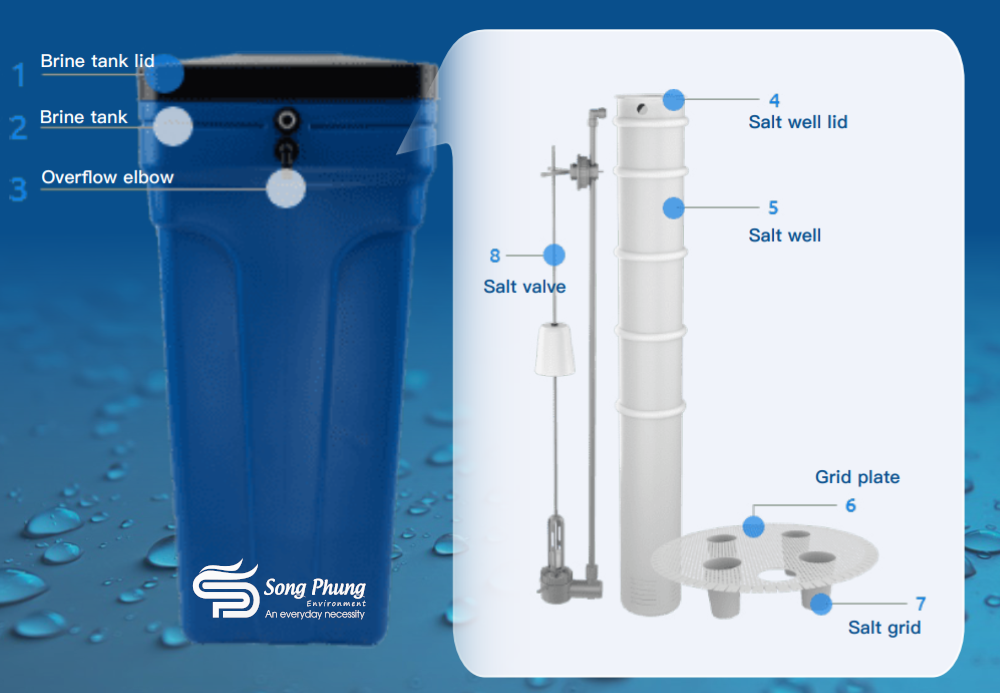
Ever wandered down to your basement or garage and spotted a mysterious, tall plastic bucket tucked next to your water heater? That, my friend, is likely a brine tank. It looks unassuming, like a giant salt shaker, but it’s actually the unsung hero of your home’s water supply. So, what is a brine tank, and why should you even care?
Simply put, a brine tank is the sidekick to a water softener. It holds a big pile of salt—usually in pellet or block form—and water. The tank’s job is to create a super-concentrated salt solution called brine.
Think of it as a salty spa treatment for your pipes. Hard water, full of calcium and magnesium, causes scale buildup and dry skin. The brine tank makes the magic happen to strip those minerals away.
Must Read
How Does It Actually Work?
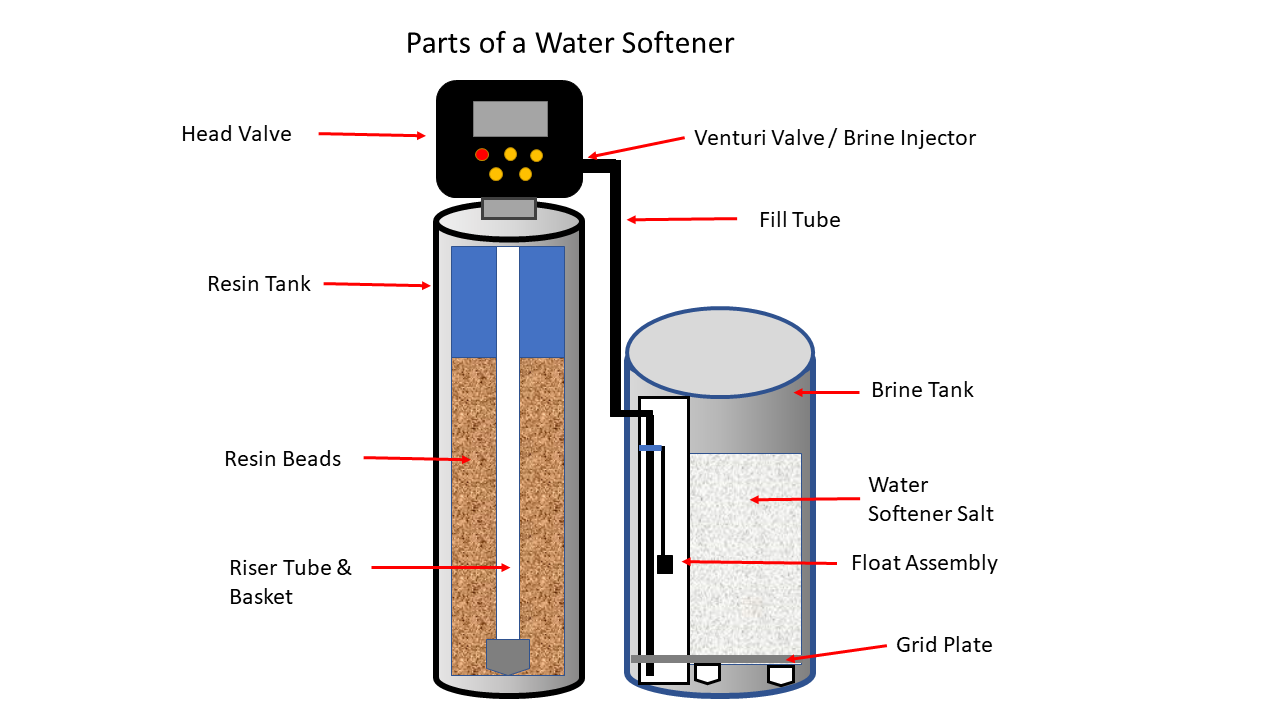
You might be thinking, “Salt just sits in water—how is that cool?” Well, it’s a clever process called regeneration. Your water softener uses tiny resin beads to grab hard minerals from your water. Over time, those beads get coated and stop working.
That’s when the brine tank saves the day. It sends a rush of salty brine through the softener, which washes away the calcium and magnesium from the resin beads. It’s like giving your water softener a deep, soothing rinse after a tough workout.
The now-dirty brine is flushed out, and the resin beads are fresh and ready to go again. This cycle repeats automatically—usually in the middle of the night—so you never even notice it happening.
Why Is a Brine Tank So Interesting?
Let’s be honest: it’s just salt and water. But consider this: it’s a self-regenerating system. Your house doesn’t call a plumber every time the water gets hard—it fixes itself using a simple chemical reaction. That’s pretty clever, right?
It’s also a great example of applied physics in everyday life. The tank relies on the fact that saltwater is denser than freshwater, and it uses gravity and pressure to move the brine exactly where it needs to go. No fancy motors, no complex software—just good old-fashioned engineering.
 All in One Cabinet Water Softener 10" x 35" With Inbuilt Brine Tank 16
Plus, if you have soft water, you can thank your brine tank for silky hair, spotless dishes, and longer-lasting appliances. Not bad for a plastic bucket that just sits there, quietly doing its job.
But Wait—Do You Have to Do Anything?
Yes, you do! The tank needs you to refill the salt every few months. It’s not a “set it and forget it” gadget. If the salt level gets too low, your water slowly turns hard again, and you’ll notice soap scum creeping back.
You also have to clean the tank occasionally. Over time, salt can leave a crusty mush (called “salt bridge”) at the bottom. This can block the brine from forming, so your softener stops working. A simple stick or broom handle can break it up—easy peasy.
And hey, if you ever see mushrooms or pink slime growing inside? That’s rare but happens in humid basements. Just scrub it out with bleach and water. Your tank is tough, but it’s not invincible.
Fun Comparisons to Get You Hooked
Think of the brine tank as a coffee maker for your plumbing. The salt is the coffee grounds, the water is the hot water, and the brine is the strong, black coffee that wakes up your resin beads. Without it, the system is just a wet, sad machine.
 How Much Salt Should You Use? Trusted Advice from WaterSmart Experts
Or imagine a camel storing water for a long desert trek. The brine tank stores salt and water so your softener can “drink” from it during regeneration. It’s a strategic reserve, like a tiny desert oasis in your basement.
Maybe you’re a jellyfish fan? Jellyfish use saltwater to create buoyancy. Your brine tank uses saltwater to create balance in your home water chemistry. Weird comparison, but it works!
Is a Brine Tank Right for You?
If you live in an area with very hard water (check with your city or a test strip), a brine tank is practically essential. It’s the heart of a water softener, and soft water saves you money on soap, repairs, and energy bills.
But if you’re on a city water system that’s already soft, you might not need one. Some people also worry about salt intake in their drinking water—but don’t stress. The softener adds only trace amounts, and you can install a reverse osmosis filter to remove it.
At the end of the day, a brine tank is a humble, quiet, and surprisingly fascinating piece of home tech. It’s proof that even the simplest ideas—salt + water—can solve big problems. Next time you see that plastic bucket, give it a little nod. It’s working hard so you don’t have to.
