What Is 115 Ph Water

So, you’ve stumbled upon the wild world of “115 pH water.” It sounds like a secret code from a sci-fi movie, right? Spoiler alert: it’s not real. At least, not in the way you’...

So, you’ve stumbled upon the wild world of “115 pH water.” It sounds like a secret code from a sci-fi movie, right? Spoiler alert: it’s not real. At least, not in the way you’re thinking.
The pH Scale: A Quick Dip
First, let’s talk about pH. It’s a scale from 0 to 14 that measures how acidic or basic something is. Anything below 7 is acidic, like lemon juice. Above 7 is basic, like baking soda in water.
Pure water sits right at 7, a perfect neutral. But 115? That’s not even on the map. It’s like saying a pizza is 500 degrees spicy—the numbers just don’t stack up.
Must Read
Why 115 pH Is a Myth (and a Fun One)
Here’s the quirky truth: pH 115 would be impossibly basic. To give you perspective, household bleach is around pH 12.5. Drain cleaner is pH 14. That’s already dangerous stuff.
To hit pH 115? You’d need a substance so caustic it would melt through your floorboards—and probably your shoes. It’s not water anymore; it’s a chemical weapon disguised as a hydration trend.
So why do people talk about it? Marketing magic. Some sellers slap “115 pH” on bottles to sound ultra-powerful. Don’t buy the hype; your stomach acid would laugh at it.
The Real Stars: High-pH Waters
Okay, let’s get serious for a second—but only a second. Real high-pH water exists, like alkaline water. It usually clocks in around pH 8 to 9.5. That’s it. No 115 anywhere.
Alkaline water comes from springs with dissolved minerals, like calcium and magnesium. Or you can buy a machine that zaps tap water with electricity. Fancy, right?
People claim it helps with acid reflux or boosts energy. Spoiler: Science is still scratching its head. Your body regulates pH like a boss anyway.
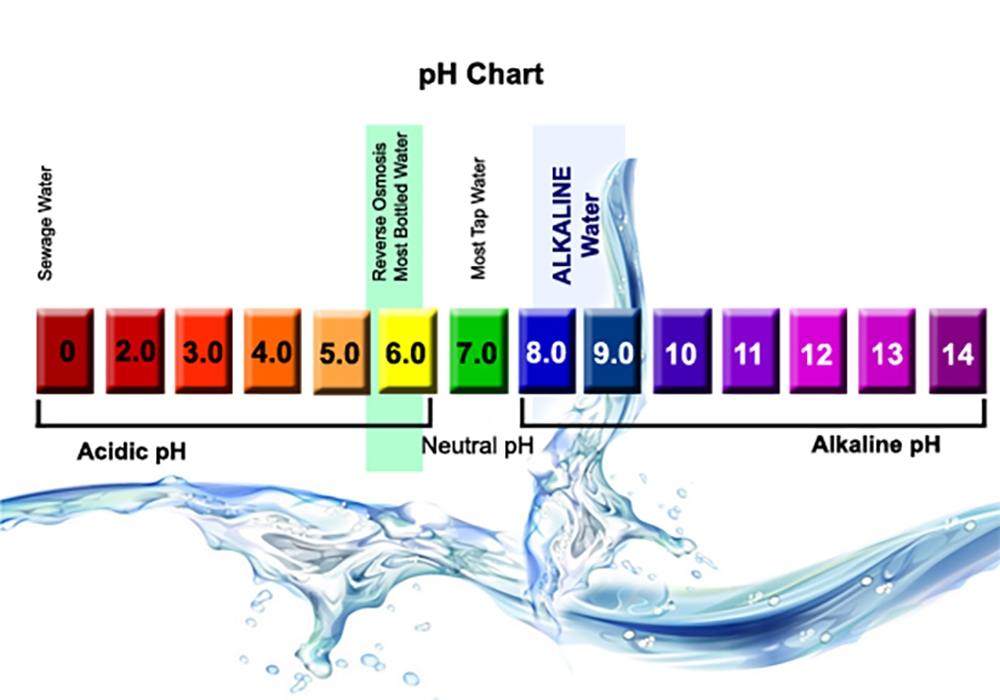 What Is PH In Water? How Much PH Is Good For Drinking Water?
The Fun, Weird History
Let’s dig into the “115” rumor. It might come from a misreading of Japanese water ionizers. Some old models showed levels like “11.5” on a dial. A typo or a joke turned it into “115.”
Classic internet telephone. One person giggles, a thousand people panic-buy a water filter. Now you’re in on the joke.
There’s also a cult following for “pH miracle” water. Folks add drops of potassium hydroxide to their glass. Do not try this at home. That stuff can burn your mouth faster than you can say “oops.”
What Would 115 pH Water Do? (Science Fiction Time)
Let’s play pretend. Imagine you had a glass of pH 115 water. First touch: instant sizzle. It would dissolve your tongue like a sugar cube in hot coffee. Not fun.
Second, it would eat through the glass. Yes, glass. You’d need a diamond cup to hold it. And diamond would probably get scared and run away.
Your kitchen sink? Gone. Your counter? A bubbly puddle. You’d be the most powerful (and saddest) person alive—no one to high-five without losing a hand.
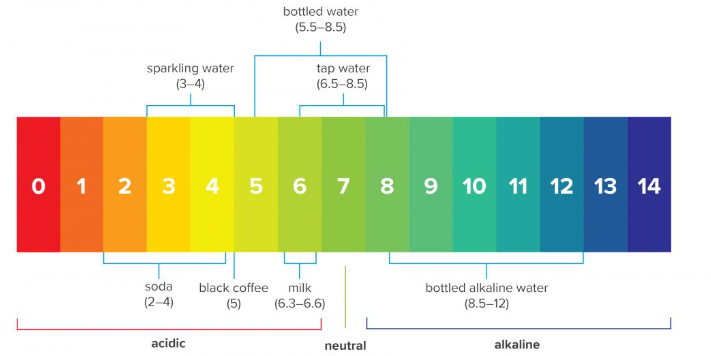 Drinking Water Ph
Why This Topic Is Just Fun
Thinking about 115 pH water is like imagining a unicorn with a jetpack. It’s silly, but it makes you smarter about how numbers work. You’ll never look at a water bottle the same way again.
Plus, it’s a great party trick. Next time someone says, “I drink 115 pH water,” you can lean in and whisper, “Actually, that would kill you.” Instant conversation hero.
It also teaches us to question wild claims. If a label says “pH 115,” ask: “Is my plumber on speed dial?” Usually, it’s just tap water with a pretty sticker.
The Takeaway: Stay Curious, Stay Safe
So, what is 115 pH water? A myth, a meme, and a math error all rolled into one. It’s not a drink; it’s a punchline.
Real water—clean, neutral water—is amazing. It hydrates your brain, helps you dance at parties, and doesn’t melt your teeth. That’s the real magic.
Next time you see a bottle with a big pH number, smile. You know the truth. And if you want to be extra playful, make up your own number. “I only drink pH 4,000 water—it’s from a volcano and it talks.”
Go ahead. Drink some normal water. It’s a wild, fun, and perfectly safe adventure—no chemistry degree required.
