How To Test Ph Level

So, you want to test your pH level. Maybe you saw a celebrity drinking chartreuse juice from a mason jar, or maybe your hydrangeas are looking a little sad. Whatever the reaso...

So, you want to test your pH level. Maybe you saw a celebrity drinking chartreuse juice from a mason jar, or maybe your hydrangeas are looking a little sad. Whatever the reason, you’re about to dive into the wild, wet world of acidity and alkalinity. Buckle up, science nerd—this is easier than assembling IKEA furniture, and honestly, way more useful.
First, What in the Name of Lemon Juice is pH?
pH stands for “potential of hydrogen,” which sounds like a terrible band name from the 90s. Basically, it measures how acidic or basic something is on a scale from 0 to 14. A 7 is neutral, like pure water—boring but reliable. Below 7 is acidic (hello, stomach acid and battery acid), and above 7 is alkaline (think bleach or your grandma’s antacid tablets).
Here’s the kicker: the scale is logarithmic. That means a pH of 3 is ten times more acidic than a pH of 4. It’s like the Richter scale for sour things. So a drop of lemon juice (pH 2) is a hundred times more acidic than a tomato (pH 4). Mind blown yet? Good. Let’s test stuff.
Must Read
Method 1: The Red Cabbage of Destiny
You can test pH with a red cabbage. Yes, the same vegetable that looks like a moody purple brain can become your personal chemistry lab. Chop it up, boil it in water for ten minutes, and strain out the solids. You now have a magical purple liquid that hates acids even more than your ex hates your new haircut.
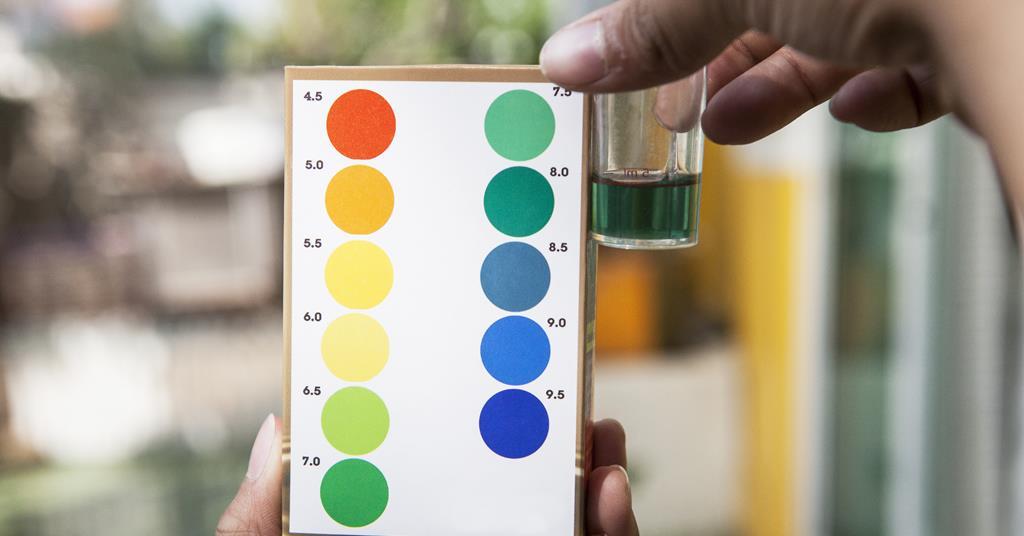
Pour some of this cabbage juice into clear cups. Add a splash of lemon juice, and it turns bright pink. Add baking soda water, and it flips to blue or green. It’s basically a mood ring for liquids. The darker the pink, the more acidic. The greener it gets, the more alkaline. You just became a wizard with a head of cabbage. Eat the leftover cabbage as a reward.
Method 2: Litmus Paper (For Grown-Ups with Real Jobs)
If you don’t want your kitchen smelling like a war between a sauerkraut factory and a floral shop, buy litmus paper. It’s cheap, it’s easy, and you can find it at any aquarium store or online from people who also sell dehydrated crickets. Dip the strip in your liquid for a second, and watch the color change.
But wait—read the package. Some strips measure from 1 to 14, while others only cover a narrow range. You don’t want to test swimming pool water with a strip meant for fancy artisan vinegar. It’s like using a ruler to measure your heartbeat. Trust me, I’ve done it. I got sad numbers.
 How To Test Your Ph Level Without Strips at Katrina Bates blog
Method 3: Digital pH Meter (For the Overachievers)
You can buy a pocket-sized digital pH meter. They look like a weird thermometer from a steampunk convention. You stick the probe into your liquid, press a button, and it spits out a number like a wise, electronic oracle. This is the nuclear option, and I respect your commitment.
But calibrate the thing! You have to dip it in special buffer solutions first, or it will lie to your face. A liar meter is worse than a broken clock. I once calibrated mine with old pickle juice and got a reading that said my tap water was pure anxiety. Don’t be like me. Use the official calibration packets. They cost like three bucks.
What Should You Test? Let’s Get Weird
Start with things you trust. Test your tap water. It’s usually around 6.5 to 7.5—unless you live near a volcano or a paper mill. Then test your spit. Yes, your own saliva. Human saliva is typically between 6.2 and 7.6. If you’re below 6.2, your mouth might be a horror movie for your teeth. Consider a less acidic diet, or just stop drinking battery acid.
Test your coffee. Most coffee is around pH 5, which is mildly acidic. But if you drink it black, you’re basically a medieval alchemist. Test your urine next—sorry, but we’re friends now. Urine pH varies wildly from 4.5 to 8.0. If it’s consistently super acidic, you might be eating too much protein or crying into your Cheerios. Either way, talk to a doctor, not a cabbage.
 Simple Ph Scale For Kids
A Surprising Fact That Will Ruin Dinner Parties
Did you know that your stomach acid has a pH around 1.5 to 3.5? That’s strong enough to dissolve a razor blade (yes, really—don’t test that). But here’s the kicker: pure water has a pH of 7, but rainwater is slightly acidic at 5.6 because it picks up carbon dioxide from the air. So the sky is literally peeing diluted soda water on your head. You’re welcome for that image.
The Golden Rule of pH Testing
Clean your equipment between tests. If you test lemon juice and then pool water without rinsing, you’ll get a result that’s aggressively wrong. I once did this and my pool tested as “citrus despair.” Use distilled water or your own spit to rinse. Spit is free, sterile-ish, and always available.
Also, don’t taste the samples. I know it’s tempting. You think you’re a brave scientist. But ingesting mystery liquids is how you become a cautionary tale on Reddit. Just look at the color. Let your eyes do the eating.
Final Pro-Tip: You Are a Walking pH Lab
Your blood pH is strictly regulated between 7.35 and 7.45. If it wiggles even a little, you’ll faint or get twitchy. Your body loves balance more than your aunt loves posting inspirational quotes. So when you test your soil, your kombucha, or your tears after watching a sad dog commercial, remember: you’re just borrowing a tiny bit of the universe’s chemistry. Have fun. Don’t drink the cabbage juice. I mean, you can, but it tastes like failure.
