Best Water To Use In A Fish Tank

So, you’ve decided to become a fish parent. Congratulations! You’ve just signed up for a lifetime of worrying about whether your scaly child is happy, and—most critically—whet...
:strip_icc()/saltwater-aquarium-setup-2925685-a981f3ac73aa41739083e7fe702f26b5.jpg)
So, you’ve decided to become a fish parent. Congratulations! You’ve just signed up for a lifetime of worrying about whether your scaly child is happy, and—most critically—whether you’re giving it the right water. Let me save you from a crisis: tap water is not just “fine.” It’s a chemical cocktail that could turn your angelfish into a grumpy drama queen.
Think of your fish tank as a tiny, watery reality TV show. The star? Your fish. The villain? Chlorine. Tap water is packed with this stuff to keep humans safe, but for fish, it’s like dumping a bleach bomb into their living room. One sip and your fish might start gasping like a Victorian child in a cholera novel.
Tap Water: The Risky Default
Okay, so tap water isn’t all bad. It’s cheap and endless—like your social media feed. But it’s also loaded with chlorine, chloramine, and mysterious heavy metals that your fish never signed up for.
Must Read
You can fix tap water with a dechlorinator (a tiny bottle of magic potion). But skip that step, and you’ll have a tank full of floating, expired fish. Surprisingly, some tap water also has high pH or nitrates from your town’s ancient pipes. Fish are picky. They’ll literally pout if the pH is off by 0.2.
The “Distilled” Disaster
Now, you might think, “Let’s give them pure, distilled water! That’s like a spa day!” Nope. Distilled water is so pure it’s aggressive. It leaches minerals out of your fish’s body, kind of like a vampire but less goth and more tragic.
Using straight distilled water is the equivalent of feeding a kid only cotton candy. Your fish will eventually become a sad, bloated ghost. Don’t do it unless you’re mixing it with something else—like a coward mixing vodka with orange juice.
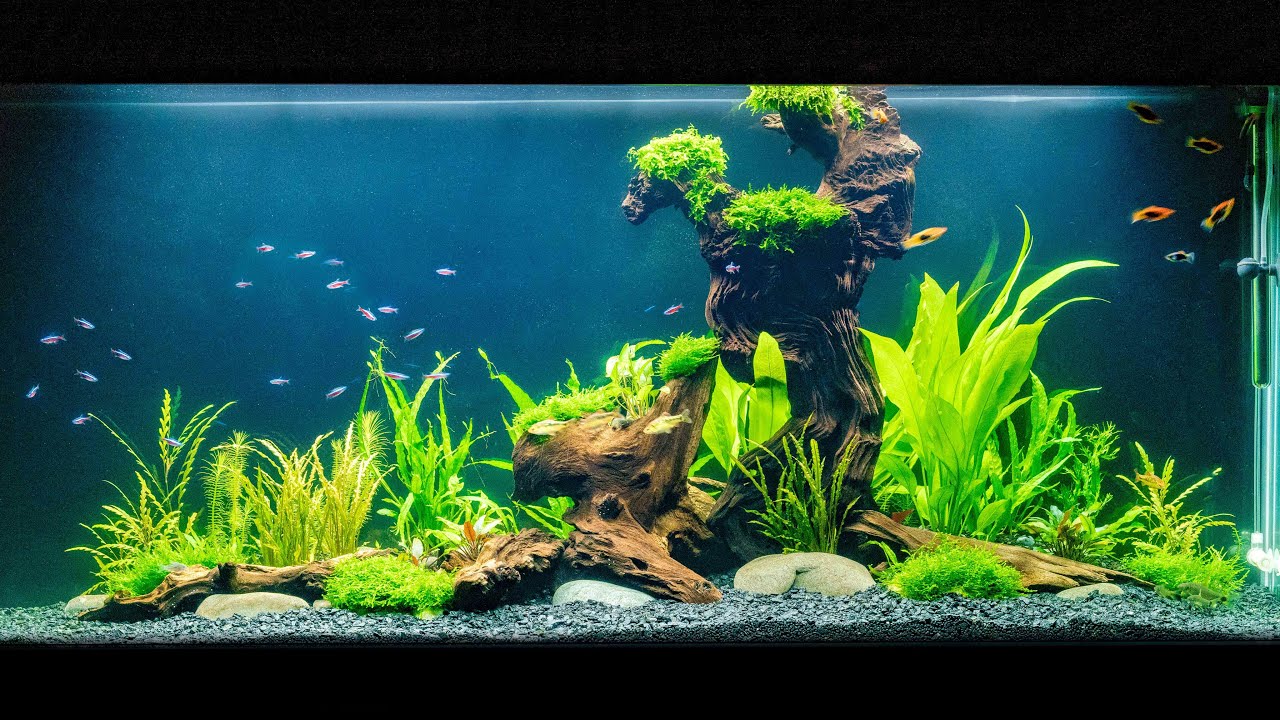 Best fish tanks - jkkoti
Bottled Water: The Posh Pretender
Ah, bottled water. You buy it for yourself because you’re fancy. You think, “My fish deserves Fiji water too.” Calm down, Aquaman. Most bottled water is just tap water in a fancy plastic tuxedo, with zero nutrients for fish.
Worse, some bottled waters have added minerals for human taste that taste great but cause toxic spikes in your tank. Imagine your fish suddenly swimming in a salty Gatorade. That’s not a party; that’s a funeral waiting to happen.
Rainwater: The Wild Card
I see you, veteran fish keepers, grinning about rainwater. Yes, it’s soft and pure—in theory. But unless you live in a pristine cloud, rainwater is essentially acidic acid rain mixed with bird poop and pollution.
 What Water Is Used For Fish Tank at Ryan Moorman blog
Collecting rainwater for a tank is like foraging mushrooms in your backyard: technically possible, but you’ll probably kill something by accident. Stick to aged, filtered rainwater if you’re a lunatic with a lab coat.
The Gold Standard: RO/DI Water
Ready to feel like a fish god? Get yourself a Reverse Osmosis / Deionization (RO/DI) system. This thing strips water of everything—and I mean everything—leaving you with a blank canvas. It’s like giving your fish a blank white room, then painting life back in.
RO/DI water is the secret weapon of serious fish nerds. You then remineralize it with special salts to match your fish’s natural habitat. Yes, it’s work. But watching your neon tetras throw a rave in perfectly balanced water? Priceless.
What About “Spring Water”?
Spring water sounds wholesome, like a bear drinking from a mountain stream. But spring water is unpredictable—it varies by season, source, and whether Elvis’ ghost fancied a dip. One batch might be perfect; the next might turn your tank into a Pet Sematary.
 Best Bottled Water For Fish Tanks at Rita Skelley blog
If you must use spring water, test it first. Buy a liquid test kit (the strips are garbage, sorry). You’ll be like a detective, but instead of solving murders, you’re preventing fish explosions.
The Surprising Truth: “Aged” Water Wins
Here’s the ultimate fish-keeper hack that sounds like a TikTok trend: age your water. Let tap water sit in a clean bucket for 24–48 hours. The chlorine evaporates (bye-bye!), and the pH stabilizes. It’s like letting a bad wine breathe, but for fish.
But caveat: this doesn’t remove chloramine or heavy metals. You still need a dechlorinator for those. Old-school fish keepers swear by this method because it’s free and feels artisanal. Your fish won’t care, but your ego will.
 75 Gallon Fresh Water with Eastern Painted + Community Fish Tank : r
Never, Ever Use... Ocean Water
Unless your fish is a saltwater shark wearing a monocle, do not use ocean water. It’s full of parasites, bacteria, and the tears of a thousand dead clownfish. Saltwater tanks need synthetic salt mixes, not a bucket from the beach.
Imagine scooping up a cup of sea water and dumping it in your tank. That’s like inviting a seagull to a tea party. Chaos ensues. Stick to the lab stuff, trust me.
The Final Verdict (And a Joke)
So, what’s the best water? For most fish: tap water + dechlorinator. For picky fish like discus or crystal shrimp: RO/DI + remineralizer. For the lazy parent: aged, treated tap water. Just don’t use distilled, bottled, or rainwater unless you enjoy fish funerals.
Here’s a surprising fact: goldfish can produce a chemical that turns water toxic in two hours. They’re like tiny, golden poop machines. So whatever water you choose, change 25% of it weekly. Or else your fish will give you the stare—the one that says, “I judge you, and I can hold a grudge.” Now go forth, water warrior, and may your pH be ever in your favor.
:strip_icc()/saltwater-aquarium-setup-2925685-a981f3ac73aa41739083e7fe702f26b5.jpg&description=Best+Water+To+Use+In+A+Fish+Tank)