Best Water To Use For Humidifier

So, last winter, I woke up feeling like I’d been chewing on a box of chalk. My nose was a desert, my skin felt like cracked leather, and every breath sounded like a tiny, angr...
:strip_icc()/bhg-detail-levoit-oasismis-450s-smart-humidifier-hwortock-001-1-d19e440a26ee4161be84c8765580dd39.jpg)
So, last winter, I woke up feeling like I’d been chewing on a box of chalk. My nose was a desert, my skin felt like cracked leather, and every breath sounded like a tiny, angry dinosaur. I glanced at my humidifier, thinking, “You are supposed to fix this.”
But the next morning, I found a fine, white dust coating my nightstand like a crime scene. My plants looked sad, and the air smelled faintly of… pond? That’s when I realized the issue wasn’t the machine, it was the water I was feeding it. The wrong water can turn your humidifier from a hero into a villain.
The main culprit? Tap water. It’s full of minerals—calcium, magnesium, and iron—that don’t evaporate with the water. They get released as that white dust (which you don’t want to breathe in) and can gunk up your machine’s insides.
Must Read
Think of it like this: tap water is the uninvited guest who leaves fingerprints everywhere. If you see that white residue on your furniture, it’s your humidifier literally spitting minerals at you. Not ideal, especially if you have allergies or asthma.
So, what’s the gold standard? Distilled water.
You know that stuff you buy for cheap baby formula or your car battery? That’s the one. Distilled water is boiled into steam and then condensed back into liquid, leaving all the minerals behind.
 What Water to Use in a Humidifier for Better Performance – Frizzlife
Using distilled water means zero white dust, no mineral buildup inside the tank, and a much longer life for your humidifier. It’s like giving your machine a spa day, every single day. Sure, it costs a dollar per gallon, but you’re paying for pure vapor.
But here’s the ironic part: boiling your own tap water isn’t the same as distilling it. Boiling kills bacteria, sure, but it concentrates the minerals. You end up with even harder water, which makes the white dust problem worse.
What about filtered water? It’s a compromise.
If you have a Brita or a PUR pitcher, that’s better than straight tap water. These filters reduce chlorine, lead, and some sediment. But they rarely remove all the minerals that cause dust.
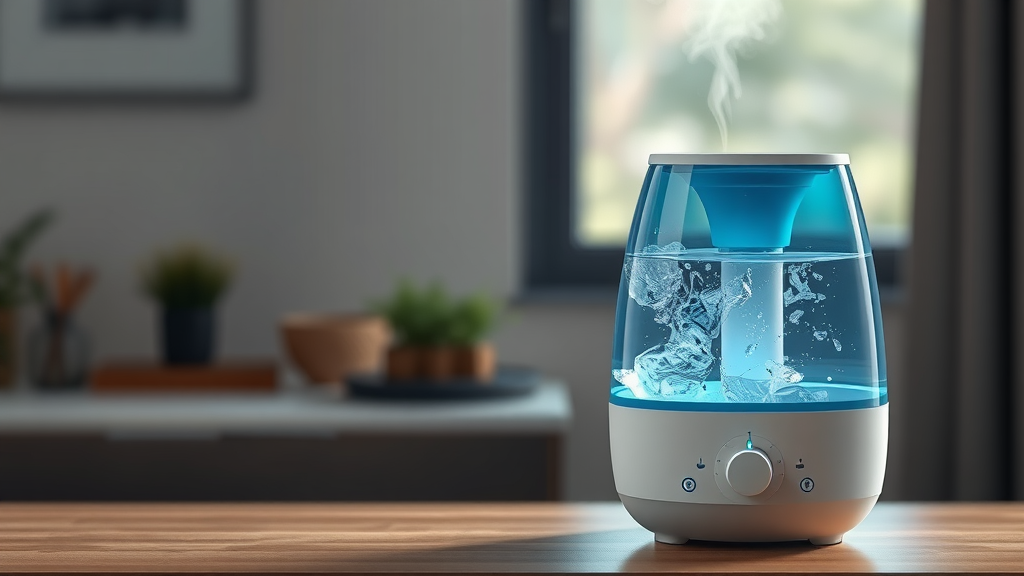 What Type Of Water To Use In Humidifier - 5starchoices.com
So, filtered water will reduce the white dust—you might barely notice it—but it won’t eliminate it. And the filter in your pitcher (and the filter in your humidifier) will need changing more often. It’s a decent middle ground if you’re on a budget.
Then there’s spring water. Please don’t use spring water. That stuff has added minerals for taste (it says “natural” on the label). It’s basically fancy tap water that will destroy your humidifier faster.
The exception? Your humidifier’s type matters.
If you have an ultrasonic humidifier (the cool mist kind with the metal disc), distilled water is practically mandatory. These machines vibrate water into a fine mist, and they fling those minerals right into the air. You will see white dust within days.
 Refilling Your Humidifier: Best Water Types to Use - Pure Air Adviser
But if you have an evaporative humidifier (the one with a wick filter and a fan), tap water is more forgiving. The wick absorbs the minerals, so less dust gets airborne. Still, the wick will get crusty faster, and you’ll have to replace it more often.
A quick, dirty hack that works.
If you’re desperate and can’t get distilled water, you can use tap water and add a demineralization cartridge to your machine. These little pods (like PURE or AquaSpin) trap minerals before they hit the mist.
They cost about $10 for a pack of three. Not as cheap as water, but way cheaper than buying a new humidifier every winter. But honestly? Just buy distilled water.
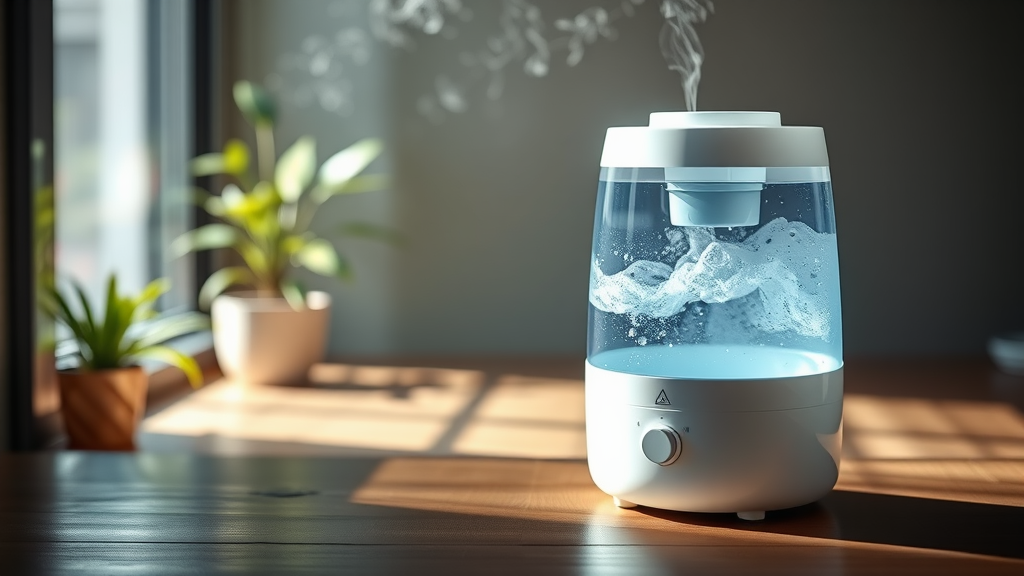 Can You Use Purified Water In A Humidifier - 5starchoices.com
One more thing: never use scented oils, tap water, or “essential oil” drops in a standard humidifier. They can corrode the plastic, void the warranty, and create a breeding ground for mold. The only liquid that belongs in there is water.
So, after my white-dust disaster, I switched to distilled water. My nightstand is clean. My nose is happy. And the air smells like nothing at all—which is exactly what you want. Your humidifier isn’t picky, but it deserves a little respect.
Bottom line: distilled water is the queen, filtered water is a good backup, and tap water is the chaos goblin you should avoid. Now go fill that tank with something pure, and stop breathing in tiny rocks. You’re welcome.
:strip_icc()/bhg-detail-levoit-oasismis-450s-smart-humidifier-hwortock-001-1-d19e440a26ee4161be84c8765580dd39.jpg&description=Best+Water+To+Use+For+Humidifier)