Best Water To Use In A Humidifier

Let’s be honest: when you bought that humidifier, you probably thought your biggest problem would be remembering to fill it. You didn't sign up to become a water sommelier. Bu...
:strip_icc()/bhg-detail-levoit-oasismis-450s-smart-humidifier-hwortock-001-1-d19e440a26ee4161be84c8765580dd39.jpg)
Let’s be honest: when you bought that humidifier, you probably thought your biggest problem would be remembering to fill it. You didn't sign up to become a water sommelier. But here we are, staring down the jug like it’s a life-or-death decision. Spoiler alert: it kinda is—at least for your lungs and your furniture.
The Great Water Debate: Tap vs. Everything Else
First, let’s address the elephant in the room—or rather, the white dust on your nightstand. Tap water is like that friend who shows up to a party uninvited, spills a drink, and then leaves a mess for you to clean. It’s full of minerals like calcium and magnesium that your humidifier will gleefully turn into a fine, chalky powder.
That dust doesn’t just coat your table; it also floats into the air. You end up breathing in tiny particles of what is essentially table rock. If you wanted to inhale geology, you’d visit a cave. But worse? That mineral buildup acts like plaque for your machine’s heart, clogging the wick or the ultrasonic plate until it wheezes like an old man at a stairmaster.
Must Read
The short answer? Distilled water is the gold standard. It’s the boring, reliable friend who shows up with a casserole and leaves your kitchen spotless. But it’s also the expensive friend—buying jugs every week can feel like financing a very small, very wet car.
The Case for the "Almost Good Enough" Waters
What about filtered water from your fridge or a Brita? It’s a decent middle ground. You’re chopping off the worst offenders—the chlorine, the sediment—but you’re probably not removing all the minerals. Think of it as a soft edit instead of a hard delete. It will reduce the dust, but not banish it entirely.
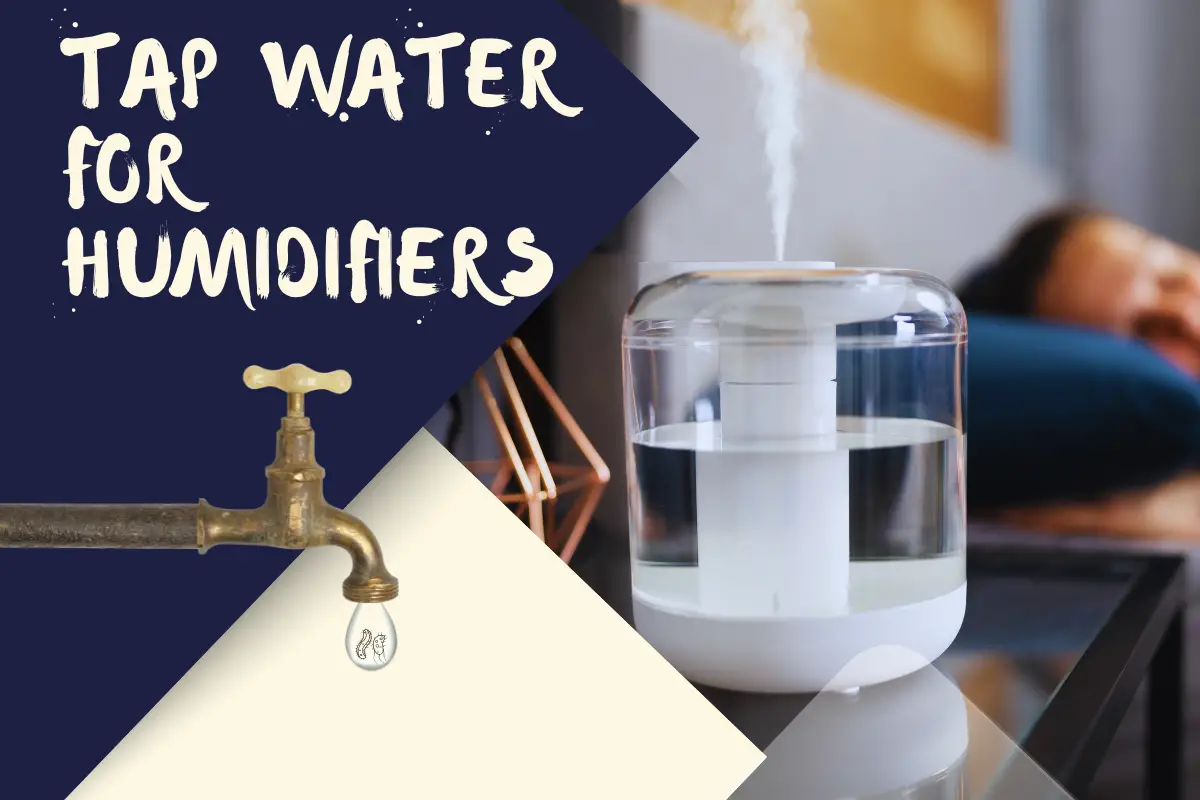 The Do’s and Don’ts of Using Tap Water in Your Humidifier – Plentiful Air
Then there’s the siren song of spring water. Don’t do it. I know it says "natural" on the bottle, which sounds virtuous. But spring water is nature’s cocktail of random minerals, bacteria, and dissolved solids. You’re essentially vaporizing a tiny, expensive pond. Your humidifier will not thank you for that.
And for the love of all that is holy, do not use tap water mixed with essential oils because you heard it "smells nice." That’s how you turn your appliance into a science experiment involving oil slicks and mold. Your humidifier wants to make mist, not a vinaigrette.
Why Your Humidifier is Low-Key Judging You
Here’s a surprising fact: hard water can actually destroy a humidifier faster than you can say "warranty voided." The minerals form a crust that damages the ultrasonic disc. I’ve seen a cheap humidifier turn into a paperweight in three months because someone used straight tap water from Flint. Kidding about Flint—mostly.
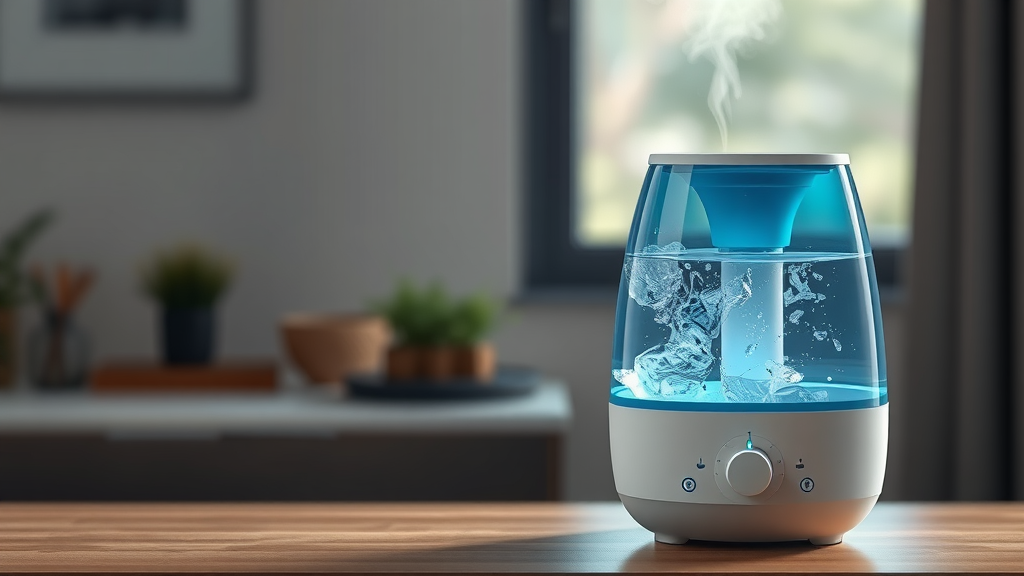 What Type Of Water To Use In Humidifier - 5starchoices.com
But wait, there’s more! Using the wrong water also breeds bacteria. Tap water contains microorganisms that, when heated or agitated, can aerosolize into your air. You’re not just getting moisture; you’re getting a microbial air show. It’s like a petri dish decided to become a DJ.
If you use distilled water, you kill two birds with one stone: no mineral crust and no bacterial buffet. Distilled water has been boiled and re-condensed, leaving behind everything that isn’t H2O. It’s the Mr. Clean of the water world—sterile, pure, and a little bit smug.
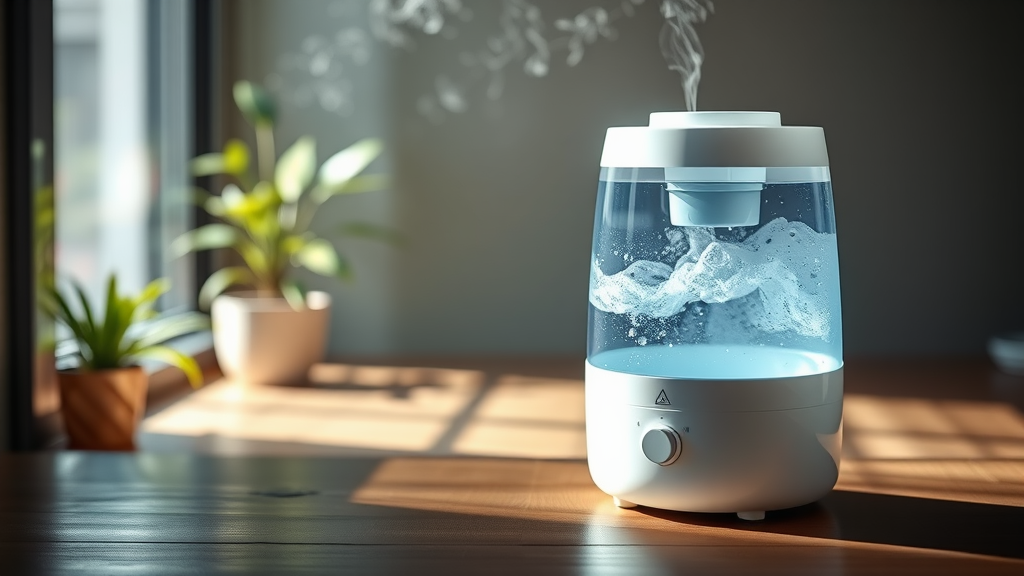 Can You Use Purified Water In A Humidifier - 5starchoices.com
The DIY Hack That Could Backfire
Some brave souls try using boiled tap water as a substitute. Boiling does kill bacteria, sure. But it concentrates the minerals. You end up with harder water than you started with. It’s like taking out the trash but leaving the rotting banana inside the bag. The smell goes, but the sludge remains.
If you absolutely must use tap water because distilled is sold out (it’s happened—the world is a strange place), then at least use a demineralization cartridge in your humidifier. These little sponges of science catch the minerals before they hit the air. Change them often, or you’ll just be paying for a fancy filter that’s actually a mud farm.
Here’s a pro tip your humidifier manual didn’t tell you: clean your humidifier every third use. Even with perfect water, biofilm (a.k.a. slime mold’s cousin) will try to move in. White vinegar is your best friend here. It dissolves the crust and leaves your machine smelling like a pickle factory—which is better than swamp.
 The ideal type of water for your dehumidifier
The Final Mist
So, to recap: The best water is distilled. The okay water is filtered. The worst water is whatever comes out of your garden hose after a rainstorm (I assume). Your humidifier is not a garbage disposal—it’s a precision instrument for making your sinuses feel less like the Sahara Desert.
Think of it like this: you wouldn’t put cheap gas in a Ferrari. Your humidifier may cost $30, but your lungs are priceless. Invest in distilled water, or at least run a filter. Your furniture, your sinuses, and your future self (who won’t have to scrub white dust off the TV) will all thank you.
Now go forth and mist responsibly. And if you hear your humidifier making a noise like a dying cat? That’s just it crying over the tap water you gave it last week. You monster.
:strip_icc()/bhg-detail-levoit-oasismis-450s-smart-humidifier-hwortock-001-1-d19e440a26ee4161be84c8765580dd39.jpg&description=Best+Water+To+Use+In+A+Humidifier)