What Is Best Water Filtration System

Let’s be honest: choosing a water filtration system can feel a bit like trying to pick a favorite child. You love clean water, but there are so many options, it’s easy to get...
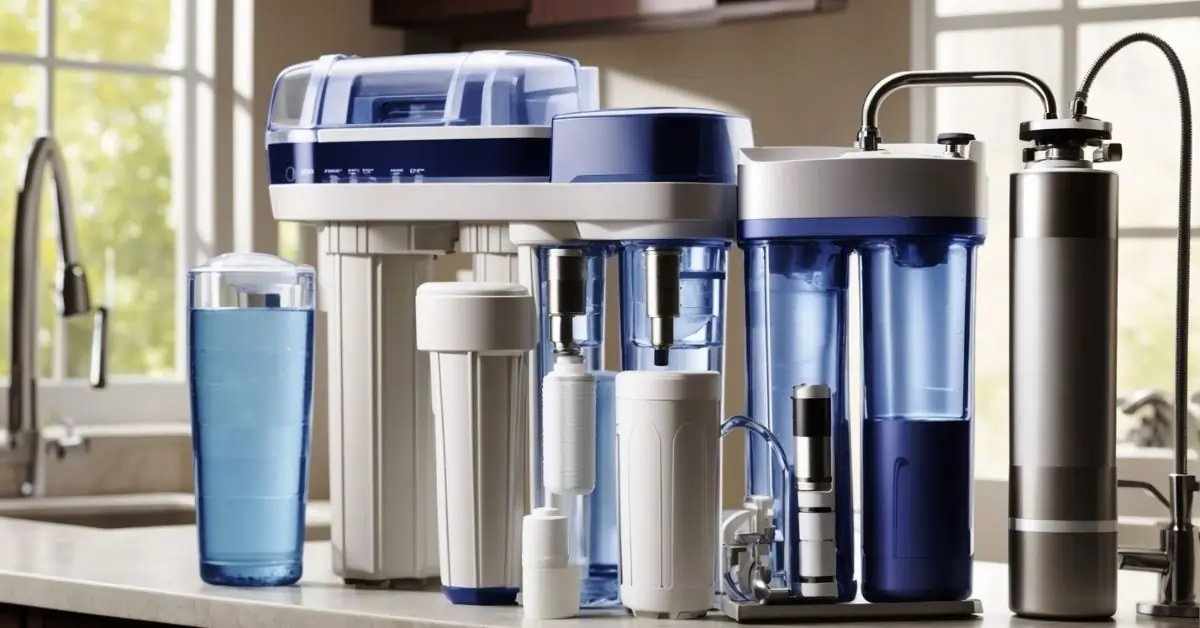
Let’s be honest: choosing a water filtration system can feel a bit like trying to pick a favorite child. You love clean water, but there are so many options, it’s easy to get lost in a sea of jargon about carbon blocks and reverse osmosis. I get it. I once spent a good twenty minutes staring at water filter pitchers in a store, wondering if my tap water was secretly plotting against me. So, let’s take a deep breath and figure this out together, like friends chatting over a cup of—well, filtered water.
Why should you even care?
Think about the last time you filled a glass from the tap. Did you pause for a second, wondering if that faint “pool” smell was just your imagination? You’re not alone. Our tap water often carries chlorine from treatment, tiny bits of sediment, or even that metallic taste from old pipes. It’s not dangerous, exactly, but it’s not doing your morning coffee any favors either.
Beyond taste, consider your skin and hair. Hard water—full of minerals like calcium—can leave your skin feeling dry and your hair looking a bit flat. A good filtration system is like a spa day for your whole house, not just your drinking glass. And honestly, spending a little upfront on a filter beats buying cases of plastic bottles that end up in the ocean.
Must Read
The everyday heroes: Pitcher filters
If you’re just dipping your toes into filtered water, start with a good old-fashioned pitcher. You know the ones—they sit in your fridge, gurgling happily as water trickles through a carbon cartridge. They’re cheap, easy, and perfect for renters who don’t want to install anything permanent.
But here’s the catch: they’re a bit like a bicycle when you really need a car. They’re great for a glass of water or two, but if you’re filling a huge pot for pasta or running a humidifier, you’ll be waiting forever. Plus, you must remember to change the filter every month or two, or it becomes a science experiment. I learned that the hard way when my “clean” water started tasting like old seaweed.
 Best Home Water Filtration Systems | How to Choose
When you need a little more power
This is where faucet-mounted filters come in. They screw right onto your tap, and you can switch between filtered and unfiltered water with a little lever. They’re a fantastic middle ground—faster than a pitcher, but without the complexity of an under-sink system.
I remember a friend, Sarah, who swore by hers. She said it was like having a magic switch that turned her tap water from “meh” to “ahh.” But be warned: these can slow down your water flow, and they don’t fit every faucet shape. Check your kitchen setup before you buy, or you might end up with a plastic adapter that looks a little sad.
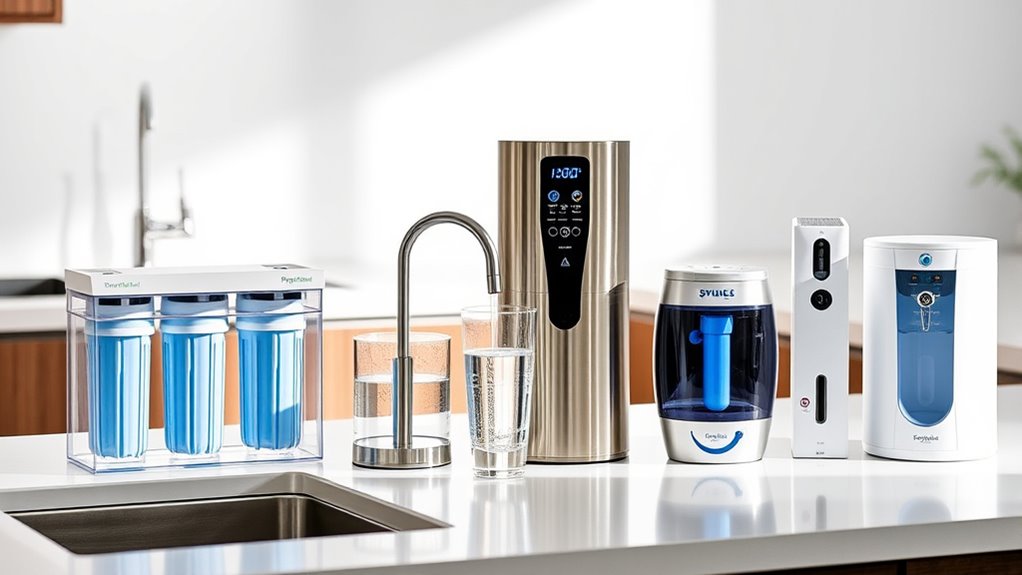 15 Best Water Filtration Systems for Your Home in 2025: Clean Water
The home run: Under-sink systems
If you want to go from casual filter user to water connoisseur, an under-sink system is your next stop. These hide away under your kitchen cabinet and hook directly into your cold water line. Many use a three-stage process: sediment, carbon, and a final polish. The water comes out of a dedicated little faucet, tasting crisp and clean, like it’s from a mountain spring.
My neighbor, Dave, installed one after complaining his coffee always had a “funny aftertaste.” Now, he won’t stop talking about how his morning brew is “life-changing.” It’s a bit more expensive, around a hundred to three hundred dollars, and you might need a plumber to install it. But once it’s in, you’ll wonder how you ever lived without it.
The overachiever: Reverse osmosis (RO)
Now we’re talking about the endgame. Reverse osmosis systems push water through a special membrane that removes almost everything—heavy metals, fluoride, even tiny particles you can’t see. This is the gold standard for people with well water or really hard city water.
 Water Filtration System for Well Water: How to Choose the Best Well
But here’s the honest truth: RO systems are a bit of a diva. They waste a lot of water (three to five gallons for every one gallon they purify), they can strip out beneficial minerals, and they take up space under your sink. They’re amazing for pure water, but total overkill if your tap water is already decent. Don’t bring a rocket launcher to a water balloon fight.
A little smile for your shower
Don’t forget about the rest of your house. A shower head filter is a small, cheap upgrade (around twenty bucks) that can make a huge difference. It reduces chlorine, which means less dry skin and less frizzy hair. I put one in last year, and my wife actually noticed the difference in her hair within a week. She said, “My curls feel less like a tumbleweed.” That’s a win in my book.
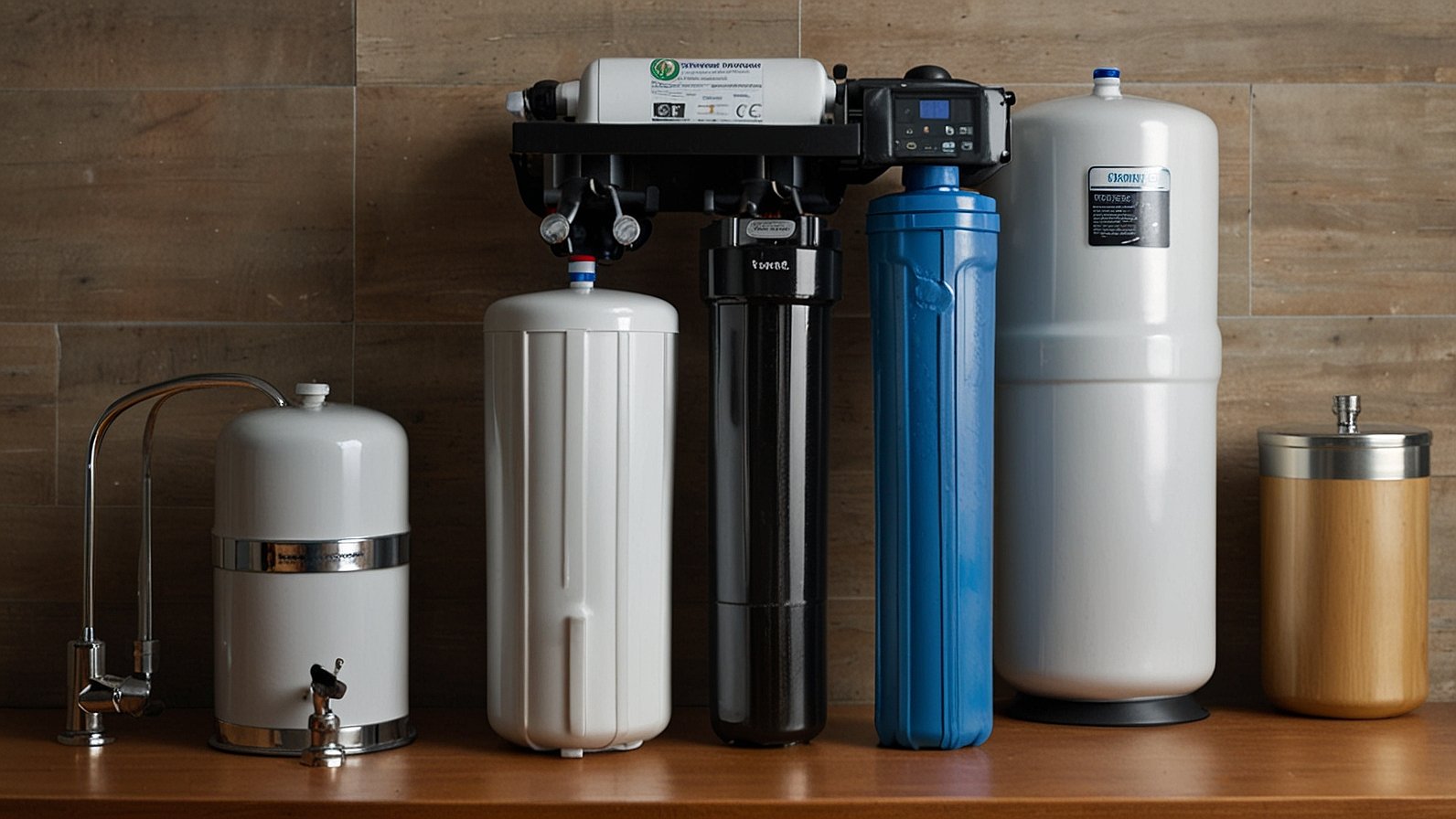 Best Water Filtration Systems Guide 2025 | Complete Review
You can also get a whole-house filter that screws onto your main water line. That’s for the real enthusiasts—it filters water for every tap, toilet, and washing machine. But it’s usually more than a casual user needs, and it requires regular maintenance.
The last sip
So, what’s the best water filtration system? It’s the one that fits your life. If you’re a renter who hates plastic bottles, start with a pitcher. If you love cooking and coffee, go for an under-sink system. If your skin screams for help, try a shower filter first. Don’t let the internet overwhelm you with tech specs.
Remember, the goal isn’t perfection—it’s just having a glass of water that makes you happy. And hey, even if your filter isn’t the fanciest, you’re already doing more for your health and the planet than most people. So pour yourself a glass, clink it against your computer screen, and celebrate the small things. Cheers.
