Best Water Filter For Drinking Water

So, you’re on a quest for the best water filter for drinking water. Honestly, it’s a bit like choosing a superhero for your sink. Each one has a different power, from zapping...
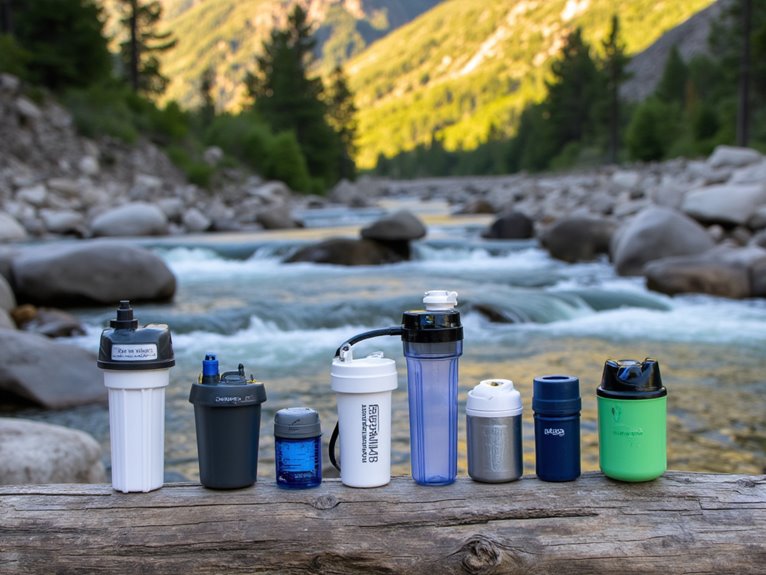
So, you’re on a quest for the best water filter for drinking water. Honestly, it’s a bit like choosing a superhero for your sink. Each one has a different power, from zapping lead to making your tap taste like a mountain spring. But hey, isn’t it cool that we can actually upgrade our H2O at home?
Why even bother?
Let’s be real—tap water is safe, but it’s boring. Sometimes it carries that weird chlorine vibe, or maybe you live somewhere with hard water that leaves white spots on your glass.
A good filter doesn’t just remove stuff; it makes water fun again. You’ll find yourself drinking more, which is a win for your skin, your mood, and your plants.
Must Read
The Pitcher vs. The Faucet Showdown
You’ve probably seen those Brita-style pitchers everywhere. They’re the entry-level heroes—simple, cheap, and perfect for renters. Think of them as the training wheels of water filters: easy to use, but slow as molasses.
On the flip side, you’ve got faucet-mounted filters. These guys screw right onto your tap and filter water instantly. It’s like upgrading from a bicycle to a scooter with boost—fast and convenient, but it can get in the way when you’re washing dishes.
The Under-Sink Upgrade
If you’re serious about water, look under the sink. Those under-sink systems are the secret agents of filtration. They hide away, using multiple stages—carbon, sediment, sometimes even reverse osmosis—to strip out nearly everything.
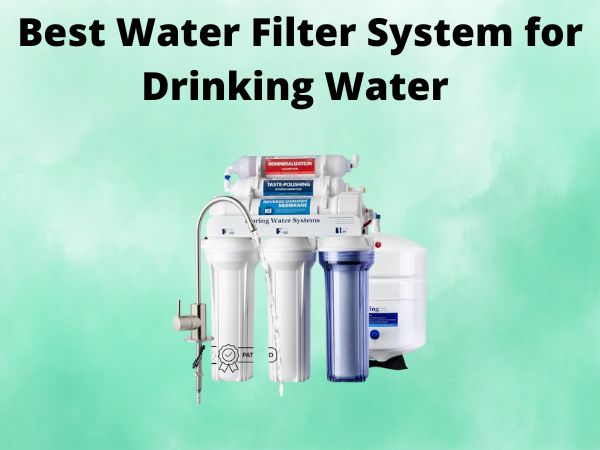 Best Water Filter Systems for Drinking Water in 2026
And I mean everything: lead, chlorine, pesticides, microplastics. Your water becomes so pure, you’ll feel like you’re sipping from a glacier. The trade-off? You’ll pay more upfront, and you might need a plumber’s help to install it.
What about fancy tech?
Then there are the countertop filters, like the Berkey or the ZeroWater. These sit on your counter like a proud, sci-fi tank. They use gravity to pull water through filters, and they’re great for emergencies or if you’re extra about water quality.
Rhetorical question time: Would you rather have a filter that removes 99% of contaminants, or one that leaves in the good minerals? Some filters, like carbon blocks, keep calcium and magnesium in—which makes water taste smoother and healthier.
 The best water filters | Popular Science
The "I want everything" option
If you’re a control freak (in a good way), consider a reverse osmosis system. It’s the nuclear option, filtering out 99.9% of everything. Your water will be sterile, almost like medical-grade.
But here’s the catch: it wastes a bit of water in the process, and it strips out all minerals. You’ll need a remineralization cartridge to add back the good stuff. It’s like having a coffee machine that makes decaf, then adding caffeine—kind of funny, but worth it if you’re a purist.
Price vs. Performance
Let’s talk cash. A simple pitcher filter will run you $20–$40, with cartridges costing $10 a pop. That’s like buying a decent bottle of wine every month—except you’re filtering your whole family’s water.
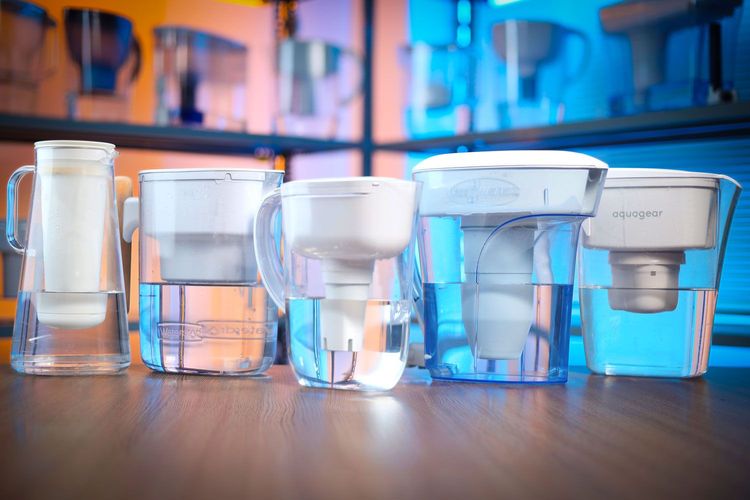 The Best Faucet Water Filters of 2026 – Tested & Reviewed by Shouldit
An under-sink system starts around $100 and can go up to $500. Think of it as a one-time investment in your hydration game. A faucet-mount filter sits in the middle, around $50, but the cartridges need swapping every two months.
So ask yourself: How much is your drinking pleasure worth? If you’re constantly buying bottled water, a filter pays for itself in no time—and saves the planet from plastic. No brainer, right?
What’s your water’s vibe?
Before buying, test your tap water. There are cheap kits at hardware stores, or you can look up your city’s water report online. Is it hard (lots of calcium), or does it smell like a swimming pool?
 10 Best Water Purifier System for Home, Tested by Experts
For hard water, a water softener paired with a filter is the dream team. For chlorine taste, a simple carbon filter works wonders. It’s like matching your shoes to your outfit—except your outfit is, uh, your drinking water.
The final sip
Here’s my chill advice: start with a faucet-mounted filter if you’re lazy (like me). It’s cheap, easy, and instantly improves taste. If you’re a water snob or have sketchy pipes, go for the under-sink reverse osmosis system—it’s the Ferrari of filters.
And remember, no filter is perfect. Some need constant cartridge swaps, others clog easily. But any filter beats a plastic bottle, and your taste buds will thank you.
So go ahead, pick a hero for your sink. Your water is waiting to become legendary. Cheers!
