Best Under Sink Reverse Osmosis System

Look, let’s be honest: your tap water is probably fine. It’s been through treatment plants, chlorine baths, and the government’s very best plastic pipes. But have you ever tak...

Look, let’s be honest: your tap water is probably fine. It’s been through treatment plants, chlorine baths, and the government’s very best plastic pipes. But have you ever taken a long, hard look at that water after it sits in a glass? It tastes like a swimming pool’s dusty memory. That’s where the best under sink reverse osmosis system comes in, like a tiny, hyper-intelligent superhero living under your sink. It’s basically a water sommelier for your kitchen, except it doesn’t judge you for drinking tap water in the first place.
Now, reverse osmosis sounds like a sci-fi concept from a 1980s movie about a rebellious robot. In reality, it’s smarter than that robot. It forces water through a semi-permeable membrane that’s so picky, it rejects almost everything that isn’t pure H₂O. We’re talking about removing up to 99% of total dissolved solids, which is fancy science talk for “stuff you don’t want in your coffee.” Surprising fact: that membrane has pores about 0.0001 microns wide. That’s 100,000 times smaller than a human hair. A virus would get stuck trying to squeeze through that like a hippo in a hallway.
Why Your Sink Needs a Secret Agent
You might think, “I have a fridge filter. I’m fine.” Oh, sweet, naive friend. That fridge filter is like using a tissue to stop a tsunami. It catches some chlorine taste and maybe a stray pebble, but it’s leaving behind lead, arsenic, and the ghost of last week’s pesticide spray. An under sink RO system is the spy agency of water filtration. It uses multiple stages—sediment filters, carbon blocks, and that fancy membrane—to perform a thorough interrogation of every drop.
Must Read
Here’s the kicker: the best under sink systems actually waste some water to make the rest perfect. Yes, it’s a little wasteful, like a chef tasting soup and spitting it back into the pot (don’t imagine that too hard). This “waste” water is usually a ratio of about 3:1, meaning 3 gallons get flushed for every 1 gallon of pure delight. But newer models are getting down to 1:1 ratios, so you can feel less guilty about your fancy water while still drinking like royalty. And honestly, that waste water can water your plants—just don’t tell them they’re drinking reject water; they’re sensitive.
The Dirty Little Secret of Bottled Water
Let’s talk about the elephant in the room: bottled water. You’ve been buying it for years, thinking you’re getting mountain spring purity. What you’re actually getting is—brace yourself—often just tap water that’s been run through a similar filter. This is the biggest con since someone sold the Eiffel Tower twice. The best under sink reverse osmosis system pays for itself in about a year if you stop buying cases of plastic. Plus, you’ll save your back from lugging those heavy bottles up three flights of stairs like a medieval water carrier.
:max_bytes(150000):strip_icc()/best-reverse-osmosis-systems-4586893-jay-wilde-b88c627b82da4a93827ca422b1ad9b8e.jpg) Our Top Reverse Osmosis System Picks You'll Want to Grab
Our Top Reverse Osmosis System Picks You'll Want to Grab
Installation, by the way, is easier than assembling IKEA furniture—which means it’s still a tiny bit annoying, but you won’t cry. Most systems come with color-coded tubes and push-fit connectors. You drill one small hole in your countertop for a dedicated faucet (or use an existing soap dispenser hole if you’re brave). The whole thing takes about an hour, or two hours if you’re like me and lose the Allen wrench in the couch cushions. The result? Water so pure it makes your whiskey taste like it’s whispering secrets.
What to Look For (Without Losing Your Mind)
When shopping for the best under sink reverse osmosis system, ignore the flashy marketing about “alkaline water” and “mineral enhancement.” Your body already has a pH balancing act that’s older than the sun. What you actually want is a system with a high GPD rating (gallons per day). A 50 GPD system will fill a glass in about 30 seconds, which is slower than a teenager asked to take out the trash, but fine for dinner. Go for 100 GPD or higher if you want to fill a kettle without waiting for a glacial age.
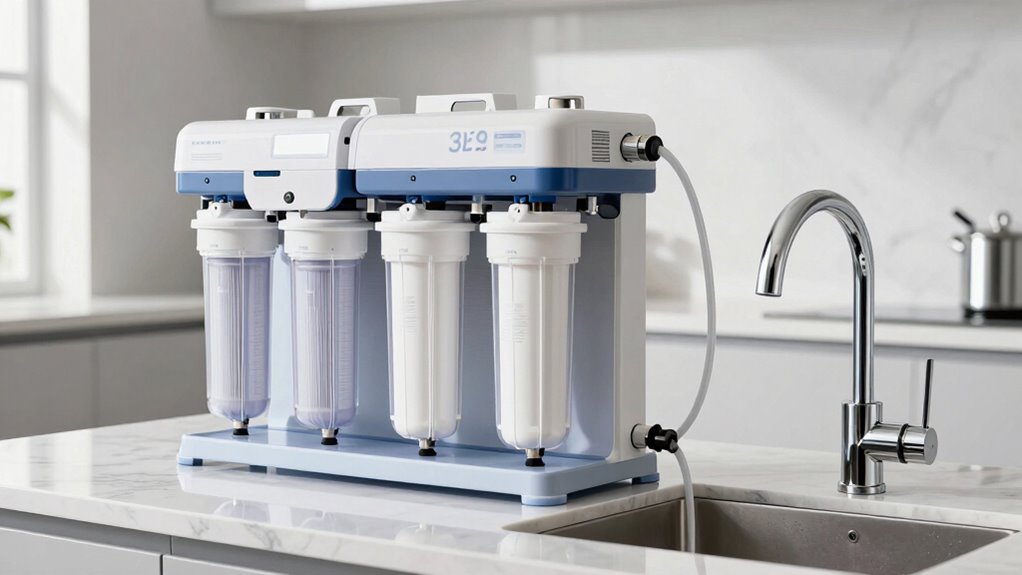 15 Best Under-Sink Reverse Osmosis Systems for Drinking Water in 2026
Also look for a long-lasting filter set. Some cheap units need filter changes every three months, which is like having a needy pet that only eats money. The best systems use filters that last 6-12 months, with a membrane that survives 2-3 years. Surprising fact: if you maintain it properly, an RO system can outlive your toaster, your blender, and that garlic press you bought on a whim. It’s the cockroach of kitchen appliances—except it makes your water taste like victory.
And here’s the punchline: once you have one, you’ll never go back. You’ll become that obnoxious friend who brings their own water to parties. “Oh, this? It’s from my RO system.” People will roll their eyes, but secretly, they’ll be jealous when your ice cubes look like diamonds. So do it. Buy the best under sink reverse osmosis system. Your tap water has been waiting for a hero. And that hero is you, armed with a drill and a credit card.
Now go forth, hydrate, and laugh at the bottled water aisle.


