Best Way To Remove Iron From Well Water

So there I was, standing in my kitchen, staring at a glass of water that looked less like something you’d drink and more like a failed science experiment. It was orange. Not j...
So there I was, standing in my kitchen, staring at a glass of water that looked less like something you’d drink and more like a failed science experiment. It was orange. Not just a hint of rust, but a full-on, “is this a prank?” orange. My girlfriend took one look, said “nope,” and grabbed a bottle of store-bought stuff. I knew right then: iron had declared war on my well water, and I was losing.
Sound familiar? If you’ve got well water, you’ve probably met the enemy. It stains your sinks, ruins your laundry, and makes your morning coffee taste like you brewed it in a bucket of nails. But here’s the thing—getting rid of iron doesn’t have to be a nightmare. You just need to pick the right weapon for the job.
Let’s cut to the chase: there’s no one-size-fits-all solution. I know, I know—you wanted a magic bullet. But iron comes in different flavors, and your filter needs to match. We’re talking ferrous iron (clear water that turns red when it hits air) and ferric iron (that lovely red sludge you already see). And then there’s iron bacteria, which is basically nature’s prank—it turns water into slime. (Yes, slime. You’re welcome for that image.)
Must Read
Start with a Test—Seriously, Do It
Before you buy a single thing, get your water tested. I know, it’s boring. But trust me, it’s cheaper than buying a filter that doesn’t work. A simple at-home kit can tell you how much iron you’re dealing with, and whether it’s ferrous or ferric.
If you’re feeling fancy, send a sample to a lab. They’ll tell you about pH, manganese, and hardness too. Why does that matter? Because iron removal systems hate high pH or hard water—it messes with their mojo. A test is like asking the enemy for their battle plan before you show up.
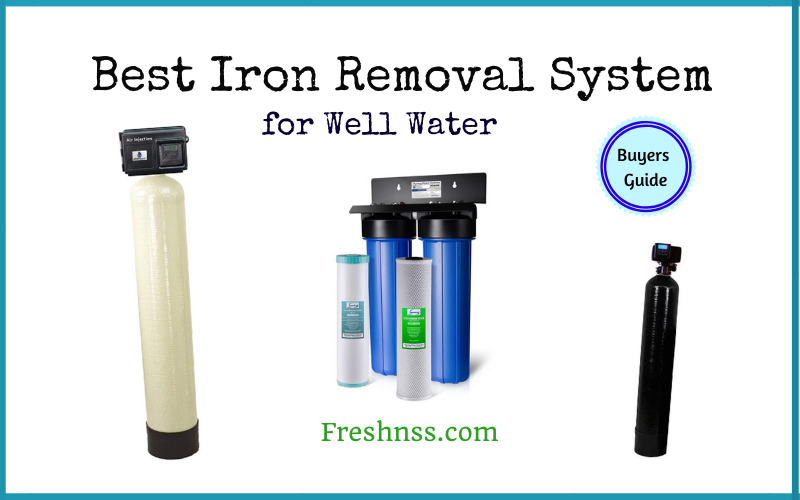
Filter Type #1: The Oxidizing Workhorse
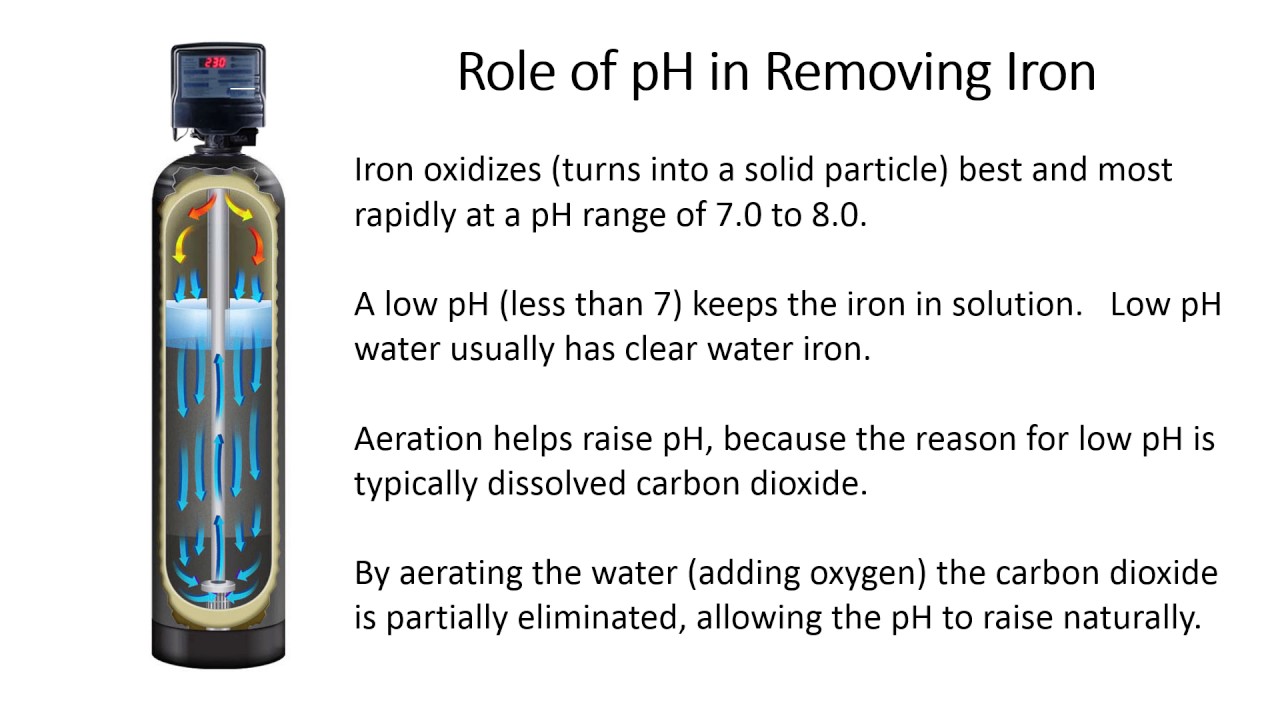
For most people with moderate iron levels, a greensand filter is the gold standard. It uses manganese greensand to oxidize the iron, turning it into particles that get trapped. It’s reliable, it’s proven, and it doesn’t need a PhD to operate.
 Home Water Iron Removal at Tyler Mcintyre blog
But here’s the catch: it needs periodic regeneration with potassium permanganate. That’s a fancy chemical, and you’ll have to buy it. Annoying? A little. But worth it if you want water that doesn’t look like a pumpkin spice latte gone wrong.
Filter Type #2: The Air-Injection Wizard
If you want something more “set it and forget it,” look at air-injection oxidizers. These systems use compressed air to turn ferrous iron into solid particles, then filter them out. No chemicals, no slime, just science doing its thing.
The downside? They’re pricier upfront, and they need maintenance on the air valve. But for homeowners who hate dealing with chemicals—or who have high iron levels—this is the choice. I’ve seen them turn orange water crystal clear within minutes. Honestly, it’s kind of magical.
 Diy Iron Removal From Well Water at Helen Terpstra blog
Filter Type #3: The Softener Trick
Did you know that a standard water softener can remove small amounts of dissolved iron? It’s true. Softeners use ion exchange resin that grabs iron just like it grabs calcium and magnesium. If your iron level is below 5 mg/L, this could save you from buying a separate filter.
But—and this is a big but—if you have a lot of iron, the resin gets overloaded and stops working. Plus, you’ll need a special cleaner to keep the resin from getting rusty. Pro tip: Only use this method if water testing confirms it’s safe, or you’ll end up with rusty softener resin and a sad wallet.
Don’t Ignore the Bacteria Factor
Remember that iron bacteria I mentioned? If you’ve got slime or a smell like rotten eggs in your water, you’re dealing with iron bacteria. Regular filters can’t kill these guys—they’re basically tapeworms for your pipes.
 Water Treatment To Remove Iron at Sergio Hasting blog
The fix here is chlorination or ozone treatment. You inject chlorine or ozone into the water, let it sit for a while, then filter out the dead bacteria. It’s a bit more work, but it’s the only way to truly solve the slime problem. Yes, “slime” again. I know. I’m sorry to keep using that word.
Maintenance: The Unsexy Truth
Here’s the thing nobody tells you: all these systems need love. Filters need changing, backwashing needs timing, and that fancy air-injection valve will eventually give you a headache. But a few minutes of maintenance every month beats the hell out of scrubbing orange stains off your toilet bowl.
I’ve learned the hard way—ignoring your filter is like ignoring a check engine light. It’ll work for a while, then one day you’ll pour yourself a glass of water and see little orange specks floating around. Don’t be that person.
 How To Remove Iron From Well Water? Find Out The Best Ways
The Bottom Line: Pick Your Poison
So which is the best way? For low iron (under 3 mg/L), a water softener is fine. For medium iron (3–10 mg/L), go with greensand or an air-injection system. For high iron or bacteria, you need chlorination—no shortcuts.
And if you’re lazy like me? Hire a pro to test your water and install the system. It costs more, but you’ll get it right the first time. Nothing beats the feeling of turning on your tap and seeing clear, clean water. Well, that and finally making coffee that doesn’t taste like a rusty spoon.
Now go kick that iron out of your well water. Your sinks—and your girlfriend—will thank you.
