Best Water Purification Systems For Home

So, you’ve decided to stop drinking water that tastes like a swimming pool’s second cousin—good for you! We’re about to dive into the wild world of home water purification. An...

So, you’ve decided to stop drinking water that tastes like a swimming pool’s second cousin—good for you! We’re about to dive into the wild world of home water purification. And don’t worry, I promise this guide will be easier than assembling IKEA furniture (no mysterious little screws needed).
First off, let’s be real: tap water is mostly fine in most places. But sometimes it comes with a side of chlorine, rusty pipes, or that weird “mineral aftertaste” that makes you question your life choices. That’s where a good purification system saves the day.
The Big Question: What’s in Your Water?
Before you buy anything, do a little detective work. Grab a glass, fill it up, and take a snooty sniff—does it smell like a public pool on a hot day? Or maybe it looks cloudy, like a bad magic trick? Knowing your enemy is step one.
Must Read
You can even buy a cheap water test kit online. It’s like a home pregnancy test, but for dirt and lead. (Spoiler: you’ll probably scream “Yes!” if it’s clean, and “Oh no…” if it’s not.)
Option 1: The Pitcher That Does More Than Just Sit in Your Fridge
Meet the activated carbon pitcher—the trusty sidekick of budget-conscious water lovers. Brands like Brita or Pur are the superheroes here. They don’t remove everything (sorry, heavy metals), but they kick chlorine and bad tastes to the curb.
Pro tip: Change the filter on time, or you’re basically drinking water that’s been hanging out with old, moldy socks. Set a calendar reminder, I beg you.
Best for: small apartments, renters, or anyone who wants better water without a PhD in plumbing.
 Best Water Purifiers for Home Use: Ensuring Clean and Safe Drinking Water
Option 2: The Faucet-Mounted Ninja
If you’re tired of waiting for a pitcher to slowly drip like a bored teenager, get a faucet-mounted filter. It attaches right to your tap, so you can fill a pot in seconds. Pure water, instant gratification—what’s not to love?
The downside? It’s a little ugly. Your kitchen might look like it’s wearing a plastic helmet. But hey, we’re prioritizing function over fashion here, right? (Unless your faucet is gold-plated. Then, maybe skip this one.)
Option 3: Under-Sink Systems—The Secret Agent
These are the James Bonds of water purification. Installed under your sink, they hide out of sight, delivering pure, filtered water through a separate faucet. Reverse osmosis is the gold standard here—it removes everything from lead to pharmaceuticals (yes, tiny medicine traces are a thing, eww).
Downsides? They take up cupboard space and can waste some water. But if you want mountain-spring-level quality without the bear encounter, this is your move.
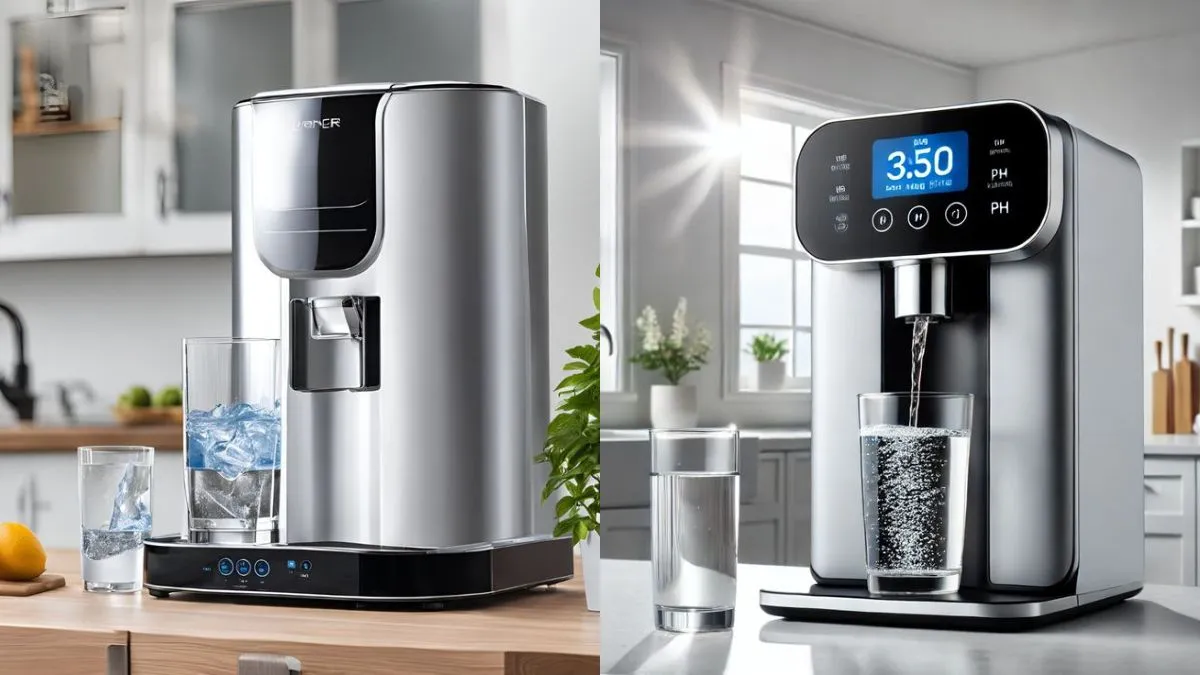 What are the Best RO Water Purifiers for Home Use in 2025?
Best for: homeowners or serious water snobs. (I say that with love.)
Option 4: Countertop Filters—The Comeback Kid
These are the unsung heroes of the purification world. Think gravity-fed ceramic filters like the Berkey (or a dozen knockoffs). No electricity needed, no installation—just pour water on top, and gravity does the rest. It’s like watching a tortoise win a race: slow, but victorious.
They’re great for off-grid living or if your sink is a dumper fire. Fun fact: they can also double as a conversation starter. “Oh, this? It’s my water-slash-sculpture.”
Option 5: Whole-House Systems—For the Overachiever
This is the boss level. A whole-house system filters every drop that enters your home—showers, toilets, even your garden hose. Perfect if you live somewhere with well water or “water that tastes like a petri dish.”
 7 Best Water Purification Systems of 2025 – Clean Water for Every Home
Your skin and hair will throw a party (bye, dry shampoo!). But brace your wallet—this system costs as much as a small vacation. Hopefully one with clean water.
How to Choose Without Losing Your Mind
Ask yourself: what bugs me most? The taste, the smell, or the fear of microplastics? For taste, go carbon. For toxins, go reverse osmosis. For “I want it all,” go whole-house and treat yourself like royalty.
And please, read the fine print. Some filters claim to remove everything, but they’re lying like a used car salesman. Look for NSF certifications—they’re the Good Housekeeping Seal for water nerds.
The Setup: A Comedy of Errors
I installed my first faucet filter upside down. The water sprayed my face like a startled skunk. Moral of the story: watch a YouTube tutorial first, or accept that you’ll laugh later. (Seriously, it’s fine—I still drink from it.)
 Best Home Water Treatment System at Wilfred Mccarty blog
Also, if you have a shiny new reverse osmosis system, give it time. The first few gallons might taste weird. That’s the system’s “new car smell,” and it goes away.
Budget Breakdown (Because Money Matters)
Pitchers: $20–$40. Faucet mounts: $50–$150. Under-sink RO: $150–$500. Whole-house: $500–$2,000. Countertop gravity: $100–$300. And remember: cheap filters save you pennies but cost you taste.
I once bought a $10 filter from a discount bin. My water ended up tasting like a wet Band-Aid. Don’t be me. Be better.
Final Swig of Wisdom
No matter which system you choose, you’ll be drinking cleaner, happier water—and that’s a win. Your kidneys will thank you, your tea will taste like heaven, and you’ll finally understand why people say, “This water is so good!”
So go ahead, take a sip of liquid victory. And if you still have doubts, just remember: water is life, but purified water is life with a little less drama. Cheers, friend—may your glass always be clear, your filters fresh, and your plumbing merciful. 🥤
