Best Filter To Remove Manganese From Water

So there I was, staring at my laundry like it had personally betrayed me. My pristine white socks had turned into a sad shade of rusty orange after just one wash. I thought I’...

So there I was, staring at my laundry like it had personally betrayed me. My pristine white socks had turned into a sad shade of rusty orange after just one wash. I thought I’d somehow shrunk my favorite shirt—turns out it was just stained by our well water. That’s when I learned about manganese: the sneaky mineral that turns your bathroom into a crime scene and your coffee into rusty sludge.
If you’re nodding along, you know the struggle. Manganese isn’t just annoying; it’s a metallic ninja that leaves dark stains on fixtures, ruins appliances, and gives water that weird, metallic taste. But here’s the kicker: the right filter can kick manganese to the curb without turning your plumbing into a science experiment. Let’s break down the best options—no PhD required.
Why Manganese Is a Total Party Pooper
First, a quick reality check: manganese usually shows up with its buddy iron. Together, they form stains that laugh in the face of bleach. In small amounts, it’s not toxic, but nobody wants black specks floating in their drinking glass.
Must Read
The problem is that manganese comes in two forms: dissolved (clear water) and oxidized (that brown gunk). Most cheap filters only catch the oxidized stuff, leaving the clear, sneaky manganese to ruin your day later. You need a filter that tackles both—otherwise, you’re just polishing a turd.
The Heavy Hitter: Oxidation Filtration Systems
Think of these as the bouncers of water treatment. They chemically change dissolved manganese into solid particles, then catch them. The most common type is a manganese greensand filter—it’s like a sponge soaked in magic that oxidizes the mineral on contact. Pro tip: these systems need regular regeneration with potassium permanganate, so they’re not “set and forget.” But for high manganese levels (above 0.5 mg/L), this is your gold standard.
 How To Filter Manganese Out Of Well Water at Meagan Burlingame blog
Another rockstar is catalytic media like Filox or Birm. These don’t need chemicals—they use dissolved oxygen in the water to oxidize manganese naturally. Spoiler: Birm only works if your water pH is above 7.0, so test that first. If your water is acidic, Birm will just shrug and let the manganese through.
When to Go Big: Whole-House Systems
If every faucet in your house looks like it’s crying brown tears, a point-of-use filter won’t cut it. You need a whole-house system with an oxidation filter at the main line. These beasts can handle manganese up to 10 mg/L or more. But warning: they’re pricey (think $1,000 to $3,000 installed) and need space for a tall tank. Your laundry room will thank you, though—no more orange socks.
For the DIY crowd, you can buy a greensand filter kit online and install it yourself. Just be ready to lug around 50-pound bags of filter media. And yes, your back will remind you of bad decisions for days.
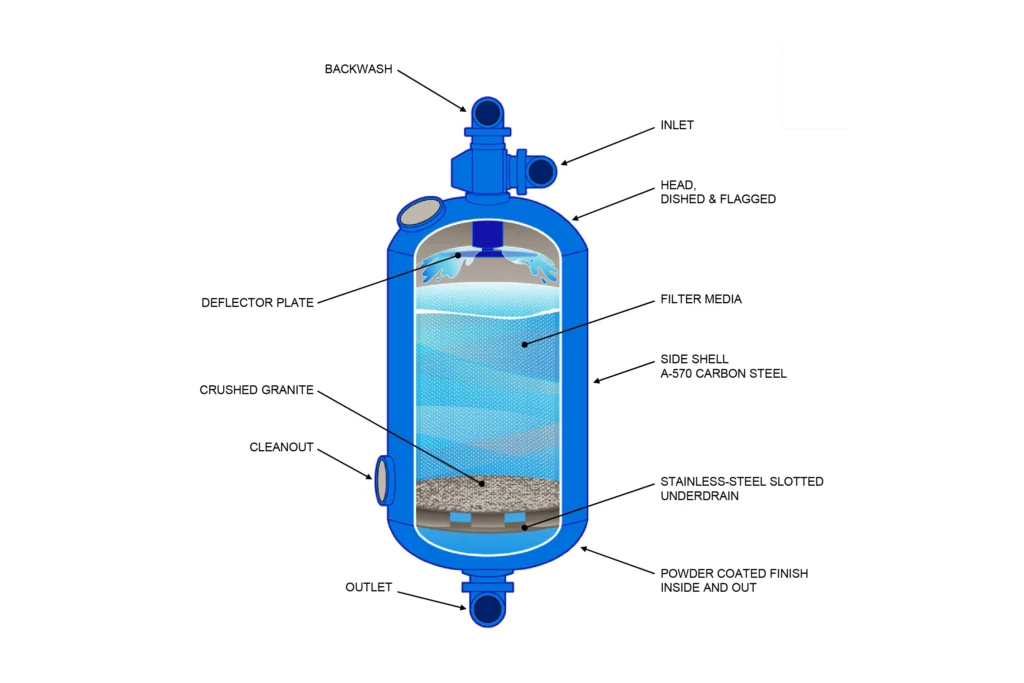 Iron & Manganese Removal Systems | ATEC Water Solutions
The Budget Hero: Reverse Osmosis (RO) Under the Sink
If manganese is low (under 0.3 mg/L) and you only care about drinking water, a RO system is your best friend. These force water through a semi-permeable membrane that blocks almost all contaminants, including manganese. They’re amazing for taste—your coffee will finally taste like coffee, not a rusty tin can.
But here’s the catch: RO systems waste water (roughly 3 gallons for every 1 gallon of filtered water). They also need regular filter changes, and they’re slow—don’t expect to fill a pot in ten seconds. Also, they won’t protect your washing machine or shower from stains. So think of RO as the solo warrior for your drinking glass, not the whole army.
The Underdog: Carbon Filters on Steroids
Standard activated carbon filters? They’re terrible at removing manganese. But some premium carbon blocks (with catalytic properties) can chip away at low levels—think 0.2 mg/L or less. Brands like Omnipure or Matrikx have lines designed for heavy metals. Don’t get tricked by cheap carbon pitchers; they’ll just make your water smell slightly less funky.
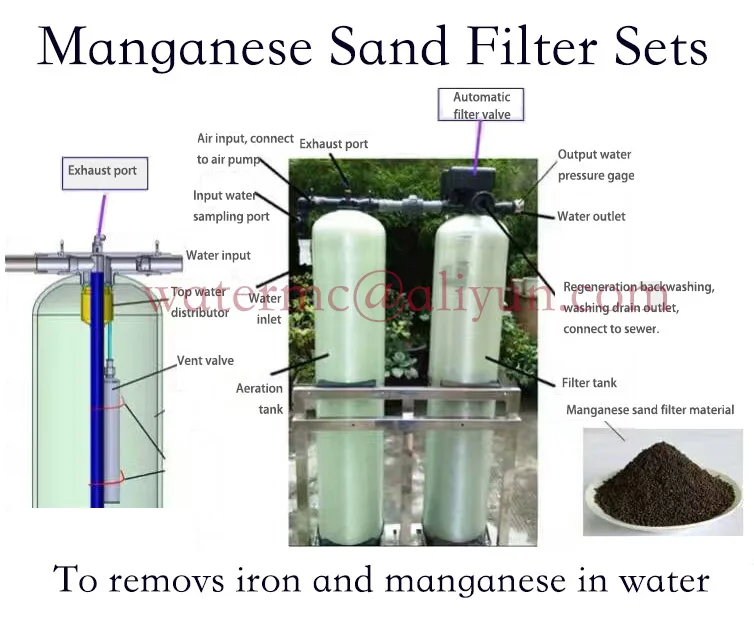 How To Filter Manganese Out Of Well Water at Meagan Burlingame blog
I tried one and it worked for two weeks before the manganese laughed in my face. Stick to the real players if you go this route.
What About Water Softeners? Don’t Believe the Hype
Some people think a standard water softener (the salt-based kind) can remove manganese. Lies. Softeners only exchange hardness minerals like calcium and magnesium for sodium. Manganese is a tougher nut—it can actually foul the resin beads in a softener, making them useless. If you have both hard water and manganese, you need a softener with a special resin designed for iron and manganese. That’s a pricey combo, and it still won’t remove high levels above 2 mg/L.
So unless you enjoy replacing your softener every year, don’t rely on it for manganese removal.
 Top 5 Water Filters for Manganese Removal Guide
The Final Verdict: Pick Your Fighter
For heavy manganese (stains everywhere): Go with a whole-house greensand or catalytic media filter. It’s the nuclear option, and it works. For low levels (just drinking water): A reverse osmosis system under your sink is the cleanest, most consistent solution. For in-between (small household, moderate staining): A point-of-entry catalytic carbon filter might hit the spot—but test your water pH first.
And whatever you do, test your water before buying anything. A simple lab test costs $30 and saves you from buying a filter that’s either overkill or useless. I learned this the hard way after buying a $500 system that did nothing. Spoiler: my water pH was 6.4, and the filter needed pH 7.0. Ouch.
Now go save your socks—and your sanity. Your tea deserves better than a metallic aftertaste.
