Best Reverse Osmosis Drinking Water System

So there I was, staring at a glass of tap water like it had personally insulted my family. It had that faint chlorine whiff and a hint of… well, mineral betrayal. I poured it...
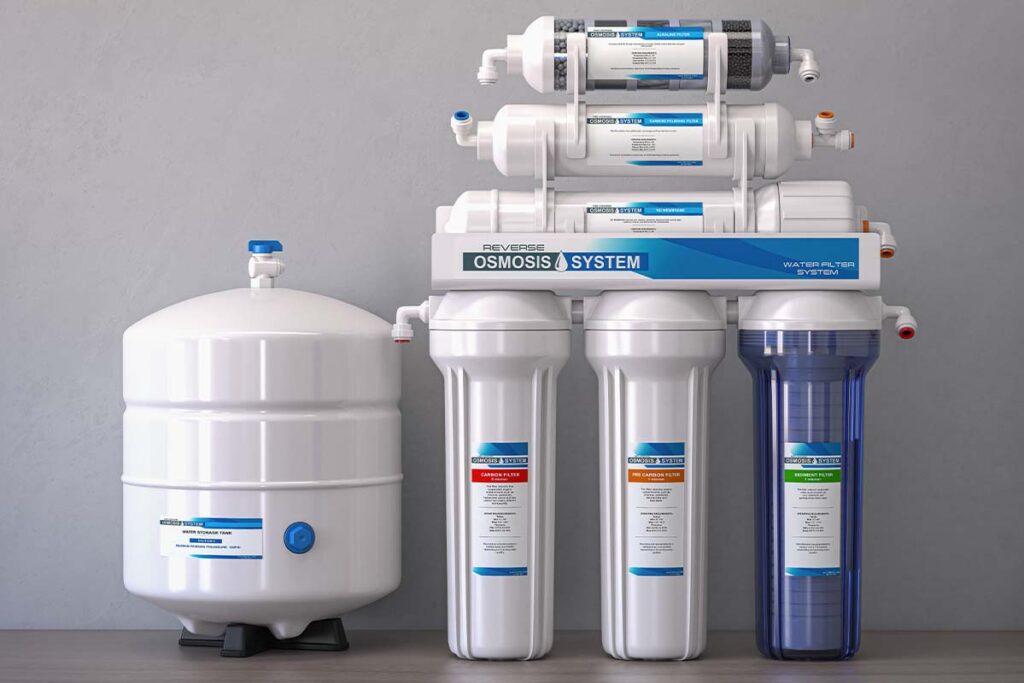
So there I was, staring at a glass of tap water like it had personally insulted my family. It had that faint chlorine whiff and a hint of… well, mineral betrayal. I poured it down the sink, grabbed a plastic bottle from the fridge, and felt a wave of guilt—another piece of waste destined for a landfill. That’s when I realized: I needed a reverse osmosis drinking water system, and I needed it yesterday.
Look, I’m no chemistry wizard. But after that sad tap water moment, I dove into the world of RO systems like a lunatic. And guess what? It’s not as intimidating as it sounds. A reverse osmosis system is basically a bouncer for your water—it kicks out everything from lead and chlorine to pesky pharmaceuticals. (Yes, your tap might have trace antidepressants. Cheers?)
Why Bother with Reverse Osmosis?
Let’s be real: bottled water is a scam. You’re paying for fancy marketing and a slightly less plasticky taste. A good RO system gives you that crisp, clean “mountain spring” vibe without the guilt or the gym membership prices. Plus, you’ll never have to carry a 24-pack up three flights of stairs again—and that, my friend, is a win for your back and your dignity.
Must Read
But here’s the kicker: not all RO systems are created equal. Some are sleek under-sink ninjas, others are bulky countertop beasts. You want one that won’t waste half your water (looking at you, older models) and actually fits your life. I’m talking about the best reverse osmosis drinking water system for you—not for some influencer with a marble kitchen.
What to Look For (Without Getting a Headache)
First, check the filtration stages. A solid system should have at least four: sediment, carbon, RO membrane, and a final polish. Some fancy ones throw in a UV light or alkaline boost—which is cool if you’re into that, but don’t let marketing fluff distract you. The real star is the membrane. It’s a thin, semi-permeable sheet that does the heavy lifting, trapping contaminants smaller than a virus. Yes, a virus. Don’t think about that too long.
 Best Reverse Osmosis System for Drinking Water 2026: Expert Reviews
Next, consider the waste ratio. Old-school RO units dump three gallons for every one they make. That’s like paying for a steak and eating the napkin. Modern systems have a 1:1 ratio or better. Look for “high efficiency” or “permeate pump” in the specs—your water bill and the planet will thank you. (And you can use the waste water for your plants. They don’t care about trace minerals. Shh.)
My Top Picks (That Won’t Break the Bank)
I tested a few, and the APEC Water Systems ROES-50 is still the gold standard. It’s rated for 50 gallons a day, has five stages, and costs around $200. It’s the Toyota Camry of RO systems—reliable, affordable, and your plumber won’t curse you. Another gem is the iSpring RCC7AK, which adds an alkaline filter. It makes your water taste like it’s from a spa, not a tap. (Try it with ice; you’ll feel fancy.)
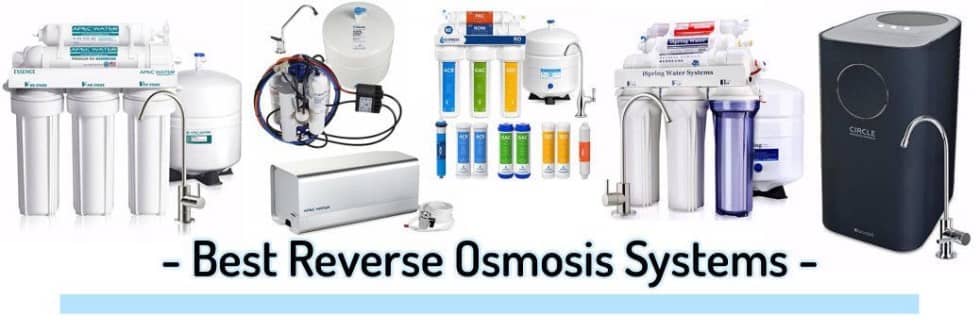 15 Best Reverse Osmosis Systems Reviewed & Tested In 2026
For the space-challenged, grab the AQUACREST under-sink model. It’s compact, has a 1:1 drain ratio, and installs in under an hour. Yes, you can install it. If I can do it without calling an ex-boyfriend for help, you can too. I believe in you.
Installation: The “I’m Not a Handyman” Edition
Seriously, it’s easier than assembling IKEA furniture. Most systems come with color-coded tubes and a drill bit. You drill a small hole for the faucet (if your sink doesn’t have one), connect the tubing, and flush the system for 10 minutes. Done. If you’re in an apartment, pick a system that connects to your existing faucet—no drilling, no deposit drama.
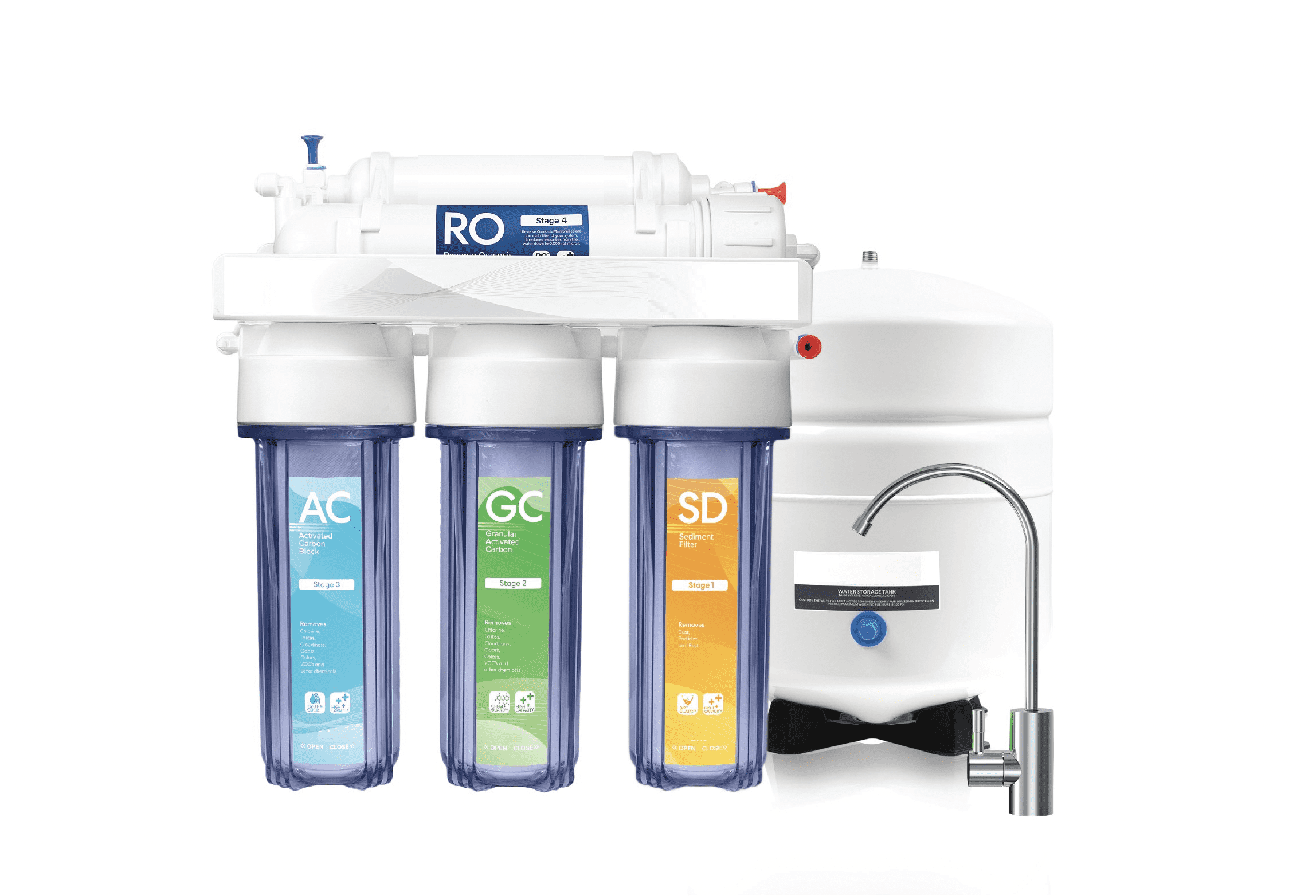 5-Stage Reverse Osmosis System Home RO Water Filter System Under Sink
One pro tip: flush the membrane before you drink. The first batch can taste like plastic-flavored regret. Run it for 20 minutes, then sip. Ahh, victory.
Maintenance: Or, How to Not Ruin It
You will need to change filters every 6–12 months. The sediment and carbon ones are cheap—like $20 a pop. The RO membrane lasts 2–3 years and costs about $50. If you ignore this, your water will start tasting like sad aquarium leftovers. I learned this the hard way. Don’t be me.
 What Is Reverse Osmosis? – Ising's Culligan of Stockton
Also, clean your system’s storage tank every year. Pour a capful of hydrogen peroxide in there, swish it around, and flush. It kills biofilm—because yes, even clean water systems can get funky. You’re welcome for that mental image.
The Verdict (No Fluff)
The best reverse osmosis drinking water system is one you’ll actually use. If you’re single and busy, grab a countertop unit. If you have a family or hate clutter, go under-sink. Either way, you’ll save money, reduce plastic waste, and drink water so pure it’ll make your tap feel embarrassed. And the best part? That guilty feeling of buying bottled water? Gone. You’re officially that person who judges friends for drinking from plastic. Wear the badge proudly.
So go ahead. Pour yourself a glass of RO water. Taste the difference. Then text me your thoughts—I’m totally not waiting by the phone. (Okay, maybe a little.)
