What's The Best Home Water Filtration System

Alright, let’s be honest for a second: tap water can be weird. Sometimes it tastes like a swimming pool, other times like a rock, and occasionally like the ghost of last night...
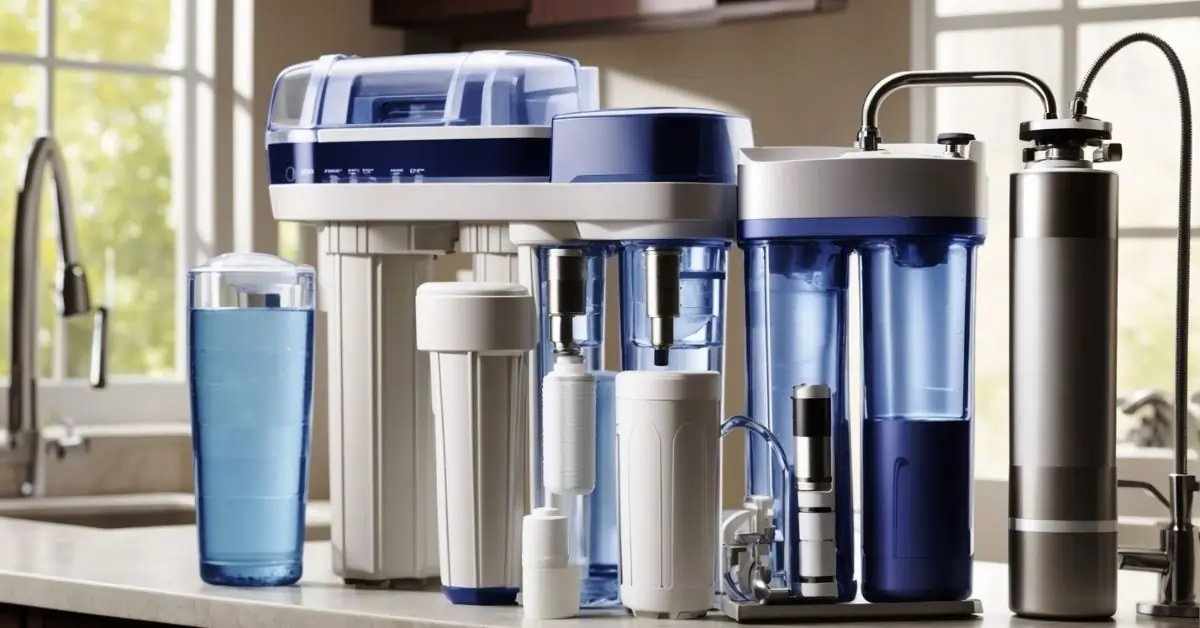
Alright, let’s be honest for a second: tap water can be weird. Sometimes it tastes like a swimming pool, other times like a rock, and occasionally like the ghost of last night’s dinner. You’re probably wondering, “What’s the best home water filtration system?” Great question—and I’ve got your back, with zero science jargon and plenty of jokes.
First, a quick reality check: there is no one perfect filter for everyone. It’s like asking, “What’s the best pair of shoes?” Well, if you’re running a marathon, you don’t want flip-flops. If you’re at the beach, you don’t want steel-toed boots. Same deal with water. The “best” system depends on what’s in your water—and how much money you want to spend (spoiler: it’s usually less than you think).
The Big Three: Jugs, Faucets, and Whole-House Monsters
Let’s start with the most obvious choice: the pitcher filter. You know the one—it sits in your fridge, looks like a fancy Brita, and makes you feel like a responsible adult. These are cheap (like $20-$40), easy to use, and perfect if you just want better-tasting water for your morning coffee. The downside? They’re slow. Like, painfully slow. You’ll stand there, tapping your foot, while it drips one cup per decade. But hey, it’s a solid starter system.
Must Read
Next up: the faucet-mounted filter. This little guy attaches directly to your tap and filters water as it flows. It’s faster than a pitcher, but not as powerful as a superhero. Pro tip: if your water pressure is already weak, this will make it weaker. Also, you might accidentally knock it off while doing dishes, which is a great way to practice your angry dance. Still, it’s a great middle-ground—affordable and effective for basic chlorine and bad tastes.
The Countertop Contender
Now we’re getting fancy. A countertop gravity filter (like a Big Berkey) looks like something out of a survivalist’s dream. It doesn’t need electricity, just water and gravity. You pour water into the top, it drips through a super-sturdy ceramic and carbon filter, and out comes water so clean you could sell it at a spa. Downsides? They’re bulky (goodbye, counter space) and can cost $150-$300. But if you’re serious about removing everything—including lead, bacteria, and weird chemicals—this is a beast. Plus, it makes you look like you really have your life together.
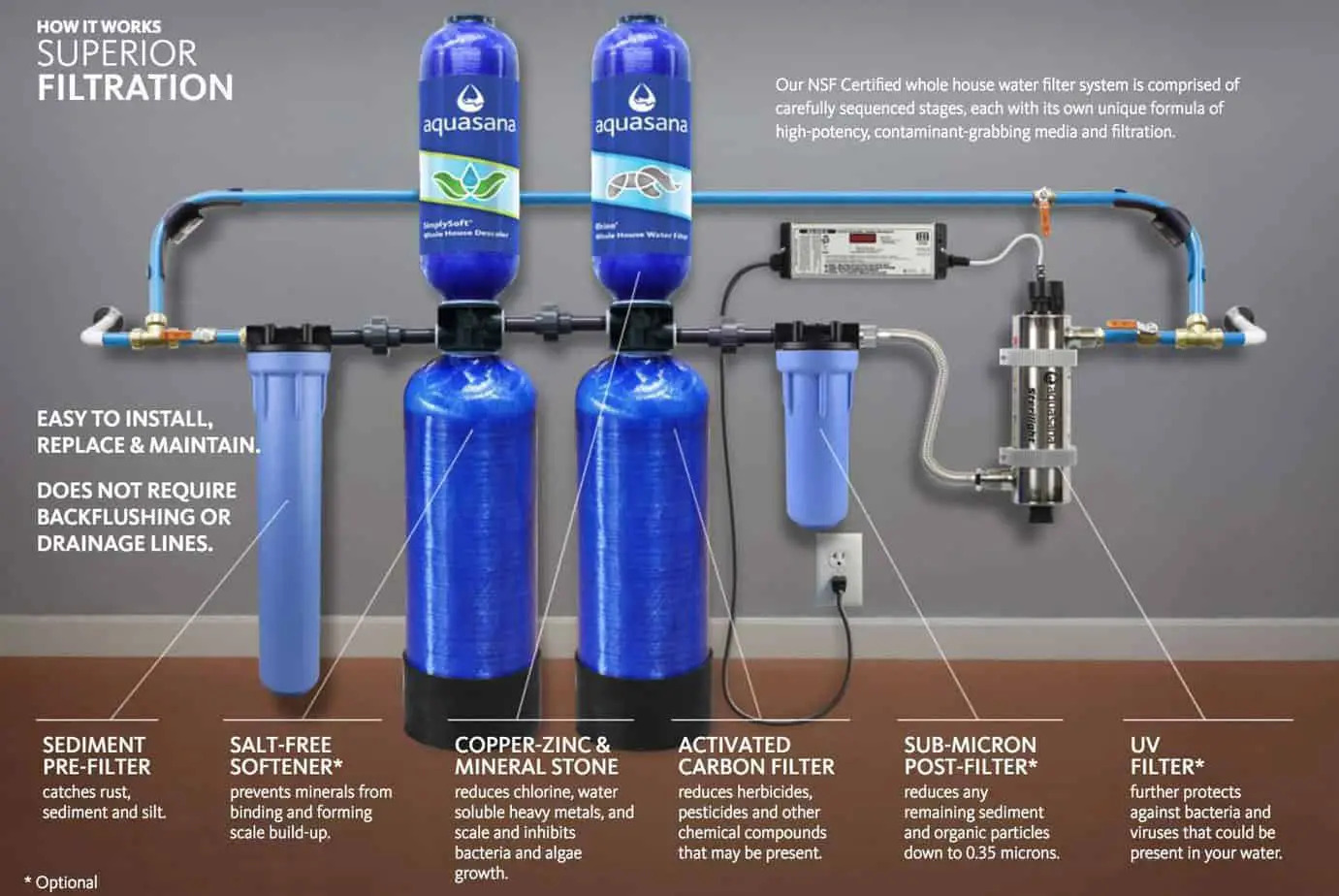 Residential Water Purification Lead Removal Whole House Water Filter
Another hot pick: the under-sink reverse osmosis (RO) system. This is the gold standard for “I want water that’s basically a cloud.” RO systems push water through multiple filters and a membrane, stripping out almost everything—including fluoride, arsenic, and even some tiny plastic bits. The catch? They waste water (about 3-4 gallons for every 1 gallon of clean water) and take up space under your sink. Also, installation can be a pain—unless you’re friends with a plumber or enjoy arguing with pipe wrenches. But the taste? Chef’s kiss.
The Whole-House Hero
Feeling ambitious? A whole-house filtration system is like giving your entire home a spa day. It filters water from the moment it enters your house, so every tap, shower, and toilet gets clean water. This is amazing if you have hard water, weird smells, or sediment. Your skin will feel softer, your dishes will sparkle, and your plumbing will thank you. The downside? It’s expensive—think $1,000 to $4,000 installed. And you need a serious filter that can handle high flow rates. Not for the faint of wallet.
 Types Of Whole Home Water Filtration Systems at Louann Anthony blog
The Shower Filter Surprise
Wait, we can’t forget the shower filter! Yes, it’s a thing. If your tap water smells like chlorine or leaves your hair feeling like straw, a shower filter can be a game-changer. They attach to your shower arm, filter out chlorine and heavy metals, and suddenly your hair has personality again. Do they remove everything? No. But for $30-$50? Totally worth it. Plus, you can feel fancy saying, “I shower with filtered water, darling.”
How to Actually Choose (The No-Regret Method)
Here’s the secret: test your water first. You can buy a cheap home test kit (like $20 on Amazon) or beg your local water utility for a report. Once you know what’s in your water—lead, chlorine, pesticides, or just bad taste—you can pick a filter that targets that problem. Don’t buy a heavy-duty RO system if your water is actually fine; you’ll just waste money and look like a definition of overkill.
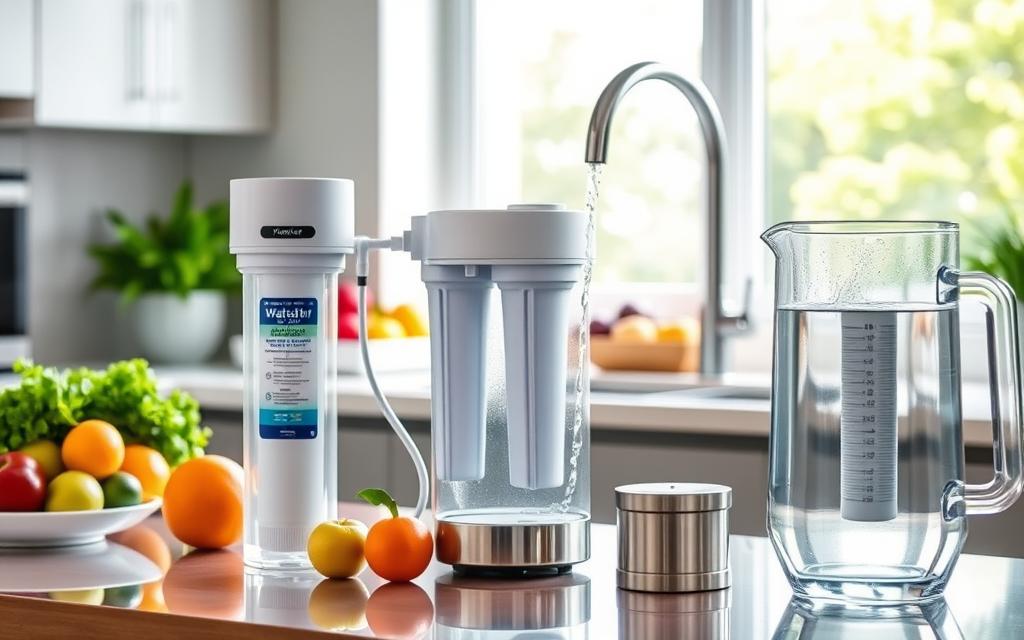 Best Home Water Filtration Methods - Complete Guide
Also, think about convenience. Are you willing to change filters every month? Some need replacements every 3-6 months, and yes, you will forget. I’ve done it. The water starts tasting like regret. Set a calendar reminder or buy a system with a filter life indicator. Your future self will high-five you.
The Honest Truth About Price
Let’s talk dollars and sense. You don’t need to spend a fortune. A good pitcher filter costs about $40 a year in replacements. A faucet filter runs about $60-$100 a year. Under-sink RO systems cost $150-$500 upfront, plus $50-$100 yearly in filters. Whole-house? That’s a mortgage payment. My rule of thumb: spend what you’d spend on bottled water in a year. If you buy a case of water every week ($5 x 52 weeks = $260), a $200 filter pays for itself in under a year. Plus, no plastic bottles. Earth wins, you win.
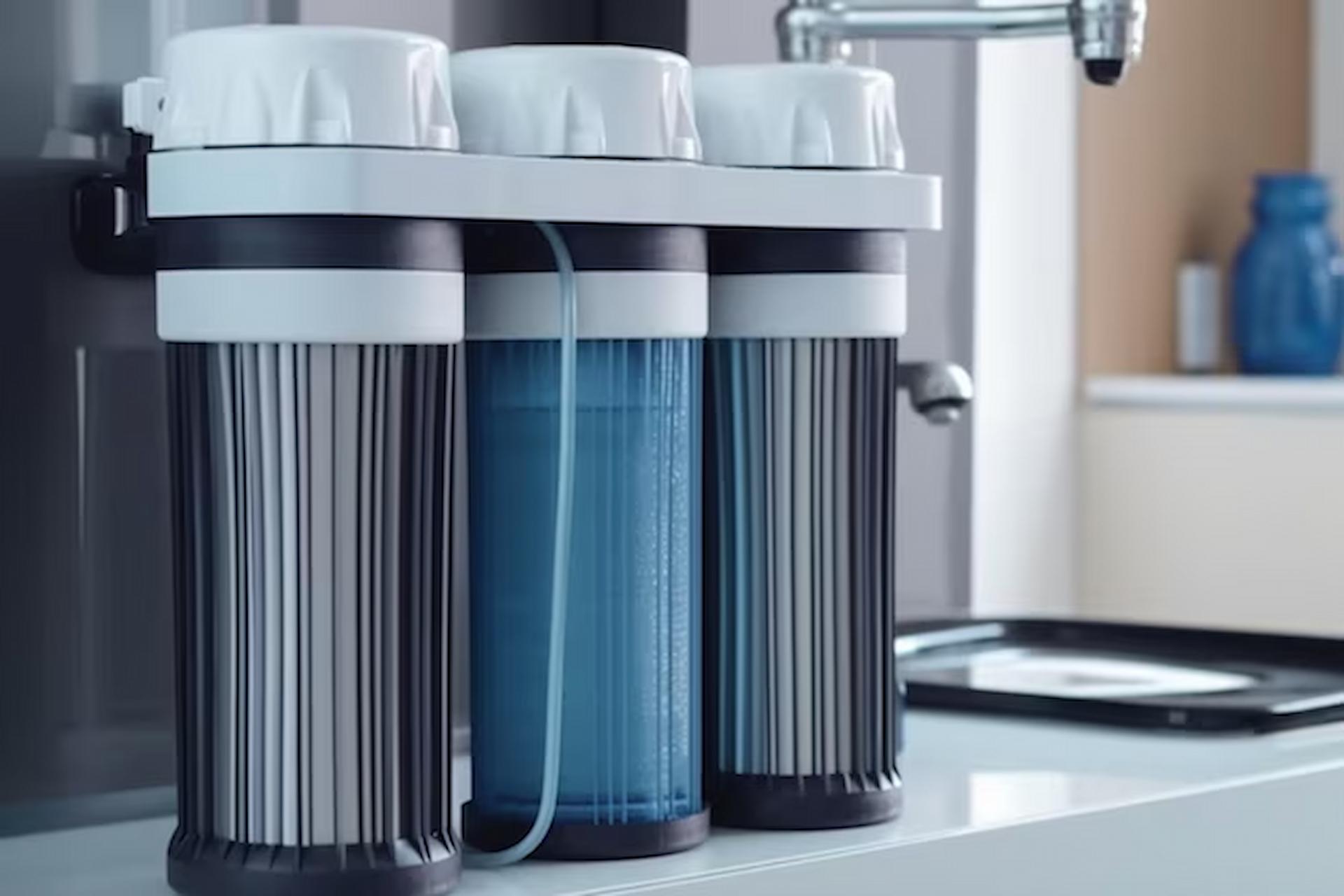 What to Look for in the Best Water Filter System for Your Home
So, What’s The Best Home Water Filtration System?
If you’re lazy and broke? Get a Brita pitcher. If you’re a taste snob with a budget? Get a faucet-mounted filter. If you’re a water purist who hates microplastics? Get an under-sink reverse osmosis system. And if you’re a total water nerd with walls of money? Go whole-house. The best system is the one you’ll actually use and maintain. Don’t buy a Ferrari if you can’t change the oil.
One more thing: don’t overthink it. You’re already doing amazing by caring. Most people just drink the weird stuff and move on. You’re here, reading about filters, which means you’re 90% ahead of the game. The other 10% is just picking one and enjoying a glass of crisp, clean H2O.
An Uplifting Conclusion (With a Smile)
In the end, the best water filtration system is the one that makes you excited to drink water. Because hydration is the secret to everything—good skin, clear thinking, and not yelling at your plants when they wilt. So go ahead, pick a filter, and pour yourself a tall, delicious glass of water. You deserve it. And hey, if you still end up with a pitcher that takes forever, just use that time to practice your patience. Or, you know, scroll through cat videos. Either way, your water’s clean, and your life is better. Cheers, my thirsty friend!
