What Is The Best Water Softener For Home Use

Let’s be honest, nobody wakes up in the morning thinking, “Gee, I wonder if my water is too hard today.” You just want a decent cup of coffee and a shower that doesn’t feel li...
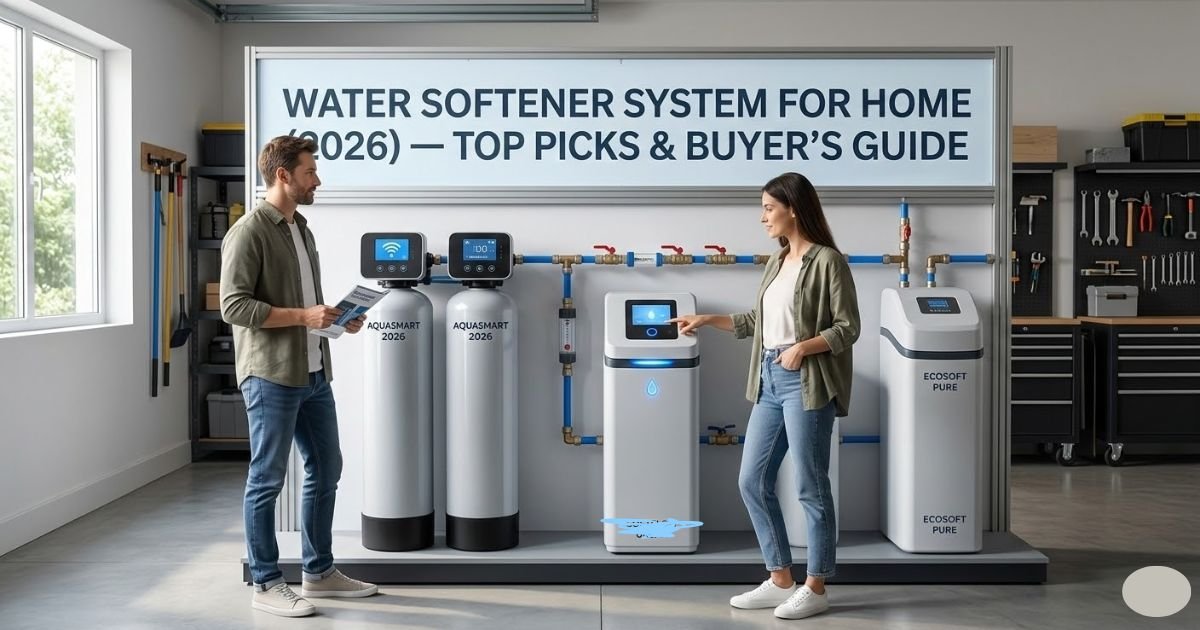
Let’s be honest, nobody wakes up in the morning thinking, “Gee, I wonder if my water is too hard today.” You just want a decent cup of coffee and a shower that doesn’t feel like you’re rinsing off with a rock. But if you’ve ever scrubbed a bathtub until your arms ached, only to see white spots still laughing at you, you’ve met hard water. It’s that invisible villain that makes your hair feel like straw and your dishes look like they’ve been in a dust storm.
The truth is, buying a water softener for your home isn’t just about fixing spotty glasses. It’s about saving your sanity, your skin, and your wallet. Nobody wants to replace a water heater every five years because it’s caked in mineral sludge. So, what’s the best one for you? Let’s walk through it together, like we’re comparing apple pies at a county fair.
The Big Three: Salt, Salt-Free, and the Fancy Electric Guys
First up, we have the classic salt-based softener. This is the old workhorse, the pickup truck of the water world. It uses a process called ion exchange to literally yank the calcium and magnesium out of your water and flush them away. If you have hard water that leaves a crust on your kettle, this is your best friend.
Must Read
These systems are reliable, proven, and will make your water feel like silk. The trade-off? You have to lug heavy bags of salt home from the store, and it does add a tiny bit of sodium to your drinking water. For most families, that’s a non-issue, but it’s worth a thought if you’re on a strict low-sodium diet.
Then there’s the salt-free water conditioner. Don’t let the name fool you—this doesn’t actually remove the minerals. Instead, it changes their structure so they can’t stick to your pipes. Think of it like coating a cookie sheet with butter so the cookies don’t glue themselves down. It’s perfect if you don’t want chemicals or salt, and you want to keep some healthy minerals in your water.
The catch? It won’t give you that slippery, sudsy feeling that a salt system provides. And if your water is very, very hard (say, over 15 grains per gallon), it might not be strong enough to prevent scale. It’s a great “green” option, but it’s not a full-on bouncer for mineral deposits.
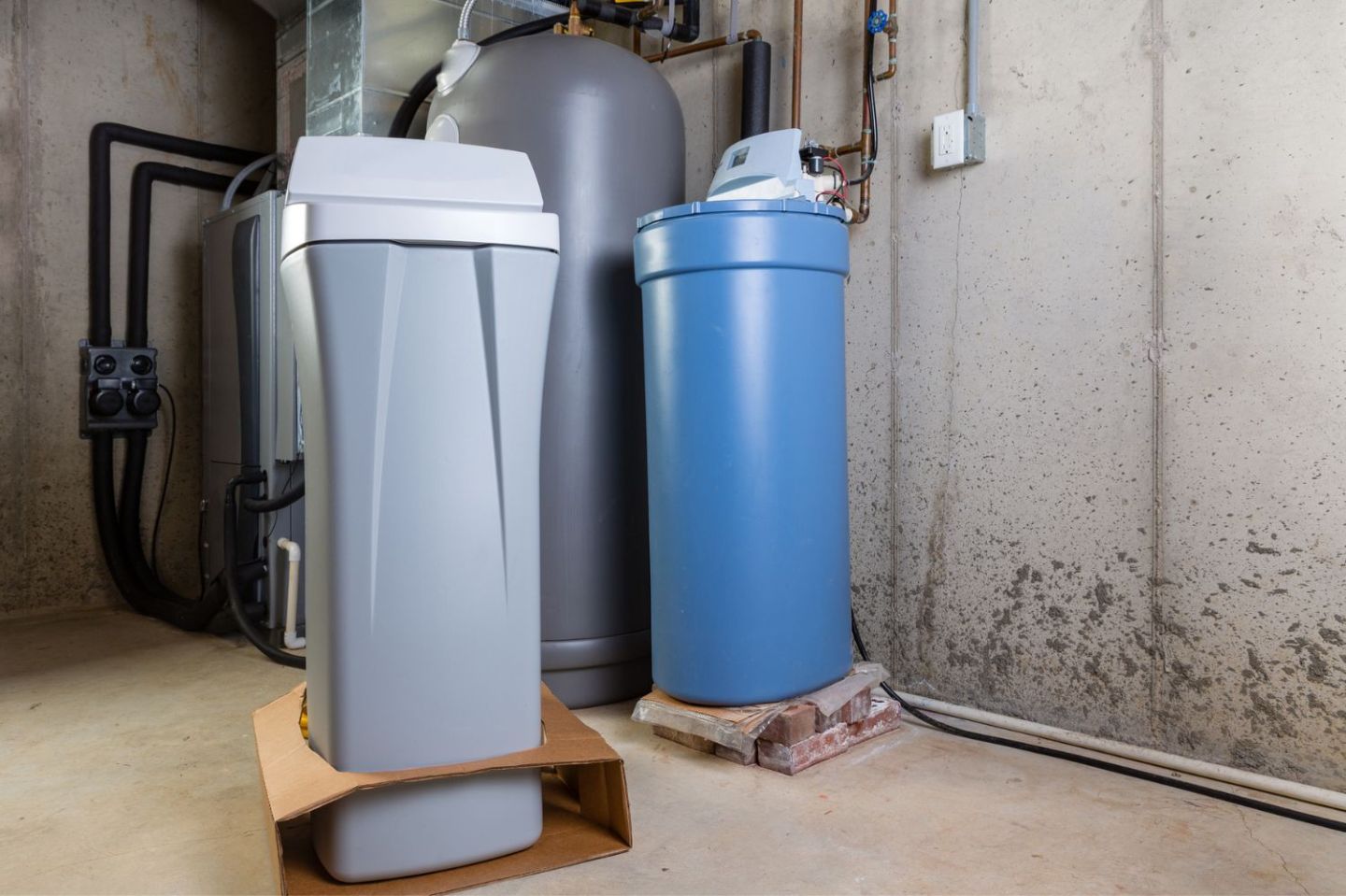 The Best Water Softeners of 2025
Finally, we have the new kid on the block: electronic or magnetic descalers. These plug into your wall and wrap a coil around your pipe. They claim to zap the minerals with a frequency that makes them behave. Honestly? The reviews are mixed. Some people swear by them; others say they’re a fancy light show that does nothing.
I’d put these in the “try it if you’re renting” category. They’re cheap and easy to install, but don’t expect them to save your plumbing the way a salt system will. If you want a guaranteed fix, skip the magic and go for the science.
Size Matters: Flow Rate and Grain Capacity (Boring, But Important)
I know, I know—talk of “grain capacity” sounds like a cereal box contest. But hear me out. A water softener has a limit to how much hardness it can hold before it needs to regenerate (clean itself). If you buy one that’s too small, it will be regenerating every night, wasting water and salt like a teenager leaving the fridge open.
A good rule of thumb: for a family of four with average hard water (like 10-12 grains per gallon), you want a 30,000 to 40,000 grain unit. That gives you enough buffer to keep your showers soft and your dishwasher happy. If you have a big house with five bathrooms? Go bigger. You don’t want to be the person running out of soft water mid-shampoo.
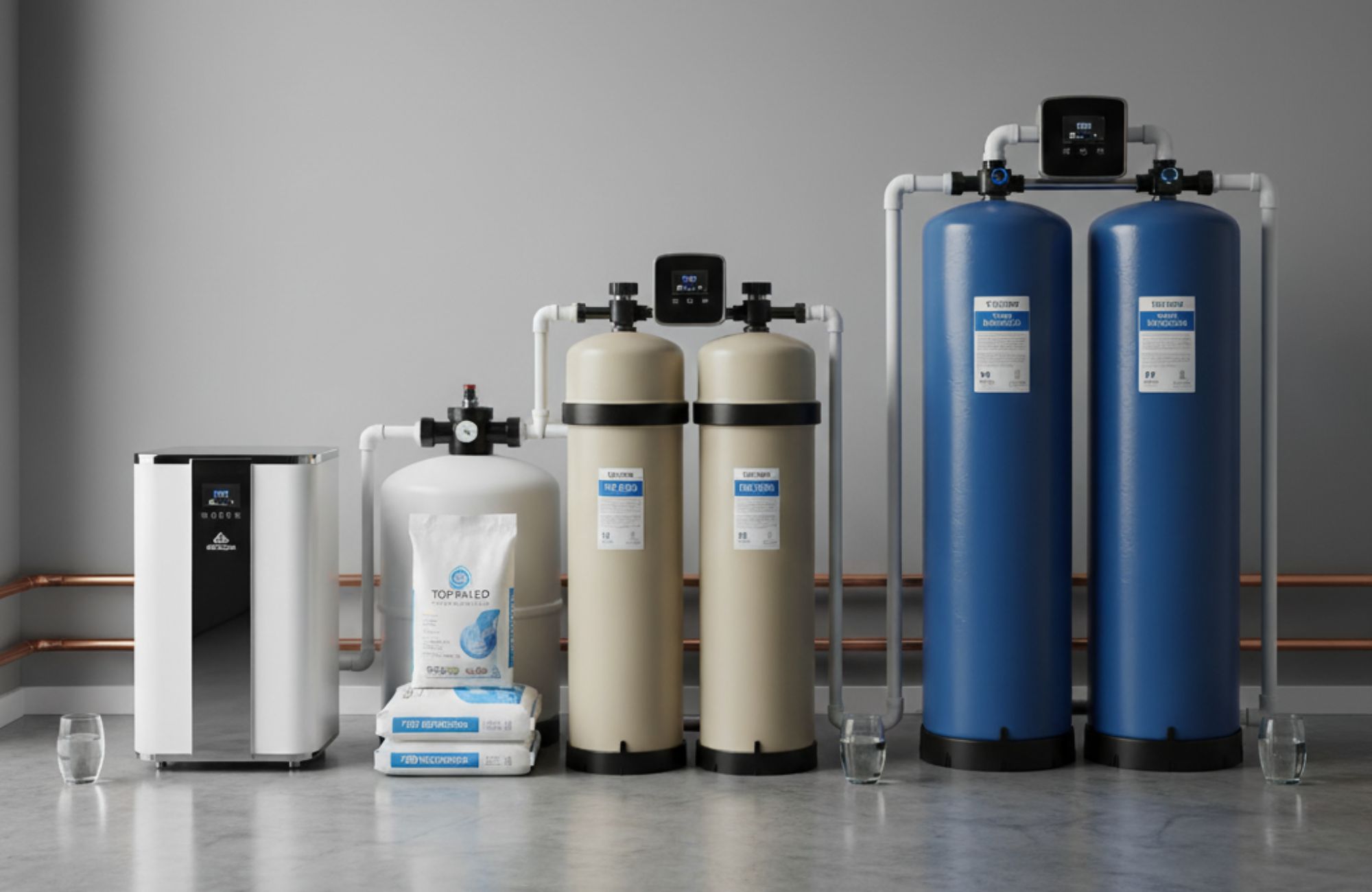 Best Water Softener Systems in Wolcott, CT (2025) - Housatonic Valley
Also pay attention to flow rate. That’s the number of gallons per minute (GPM) the system can handle. Most homes need about 8-10 GPM. If you try to run two showers and a washing machine at once with a weak system, it’ll feel like you’re drinking from a straw. Respect the flow rate.
Let’s Talk About Your Water (Yes, Get It Tested)
Here’s a little story: my buddy Mike thought his water was “fine.” He bought a fancy salt-free conditioner. A year later, his showerhead looked like a stalactite cave. He hadn’t tested his water. Turns out, his well water had 25 grains of hardness—way too much for a salt-free system. He ended up buying a salt system anyway, and now he’s happy, if a little salty about the wasted cash.
You can buy a simple test strip at a hardware store for five bucks. Or, if you want to be fancy, send a sample to a lab. Knowing your hardness level is like knowing your shoe size—you don’t guess. It saves you from buying something that’s too weak or too much for your home.
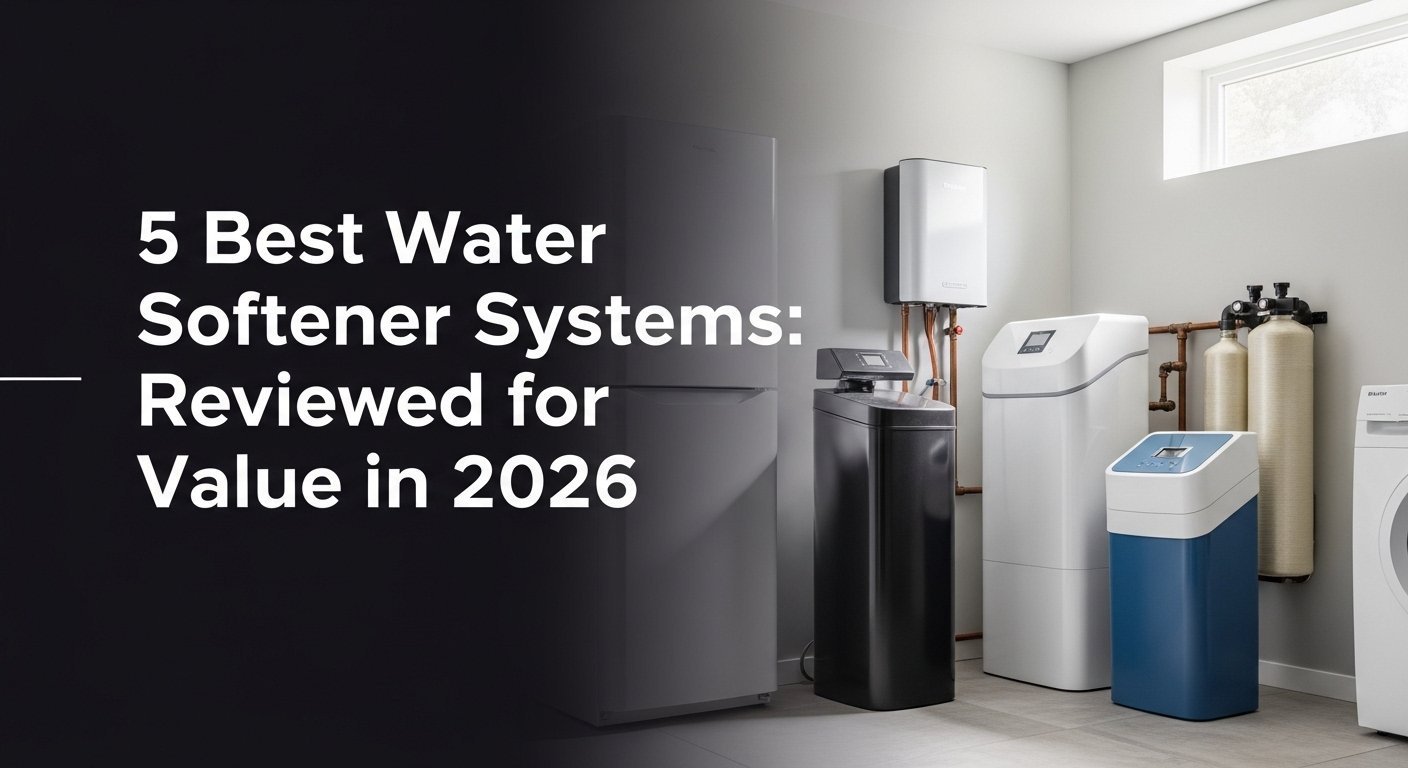 5 Best Water Softener Systems: Reviewed For Value In 2026
The Best Bang for Your Buck: Our Pick
If you asked me to recommend the one system that will make you smile when you wash your hands, it’s the Fleck 5600SXT with a 48,000-grain capacity. It’s not the prettiest, and it won’t win any design awards. But it’s built like a tank, easy to maintain, and incredibly reliable. Think of it as the Toyota Camry of water softeners.
It’s meter-based, meaning it only regenerates when it actually needs to—not on a stupid timer. This saves you salt, water, and money. Plus, replacement parts are cheap and everywhere. If you want something that just works without drama, this is it.
For a slightly easier install, the Springwell SS series is a close second. It’s a bit pricier, but it comes pre-programmed and has a slick digital display. If you hate fiddling with settings, this is your friend. It’s like having a smart assistant for your pipes.
A Quick Word on Installation (Or, “Can I Do This Myself?”)
If you’re handy with a wrench and not afraid of cutting copper pipe, you can install a water softener yourself. It’s a weekend project that will save you a few hundred dollars. But if the thought of a water leak makes your palms sweat, call a plumber. It’s cheap insurance against turning your basement into a swimming pool.
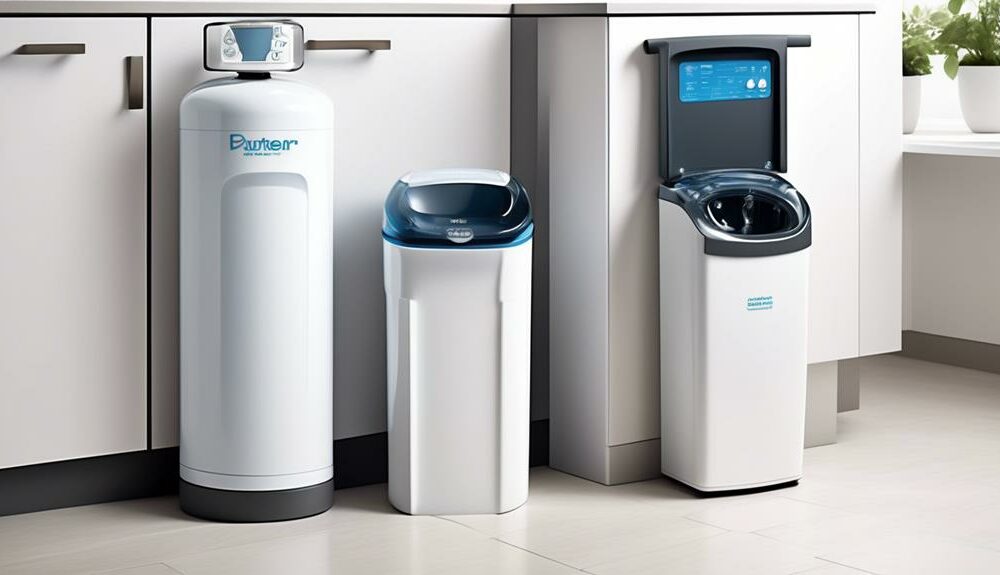 15 Best Water Softeners to Improve Your Home's Water Quality - StrongMocha
Also, remember you need a drain line for the brine water. You can’t just dump it on your lawn—the salt will kill your grass. Plan for a floor drain or a pipe to a washing machine standpipe. Don’t be the person who creates a tiny, salty desert in their backyard.
So, Which One Is for You?
Here’s the simple version: if you hate spots, want slippery skin, and have hard water over 10 grains, get a salt-based unit like the Fleck. You’ll never look back. If you’re an eco-warrior with moderately hard water and you want to skip the salt, go for a salt-free conditioner. Just know its limits.
Don’t overthink it. The best water softener is the one you actually buy and maintain. A mediocre system that’s installed and serviced beats a perfect system sitting in a box in your garage. Trust me, I’ve been that guy.
So go ahead, grab a test kit, measure your water, and pick your new plumbing pal. Your dishes, your skin, and your coffee maker will thank you. And next time you look at a crystal-clear glass of water, you can smile and say, “I did that.” No special occasion needed.
