Best Under Sink Water Filter Reverse Osmosis

So, you’ve finally decided to drink water that doesn’t taste like a swimming pool’s guilty conscience. Welcome to the world of under-sink reverse osmosis. It’s the water filte...

So, you’ve finally decided to drink water that doesn’t taste like a swimming pool’s guilty conscience. Welcome to the world of under-sink reverse osmosis. It’s the water filter equivalent of hiring a microscopic bouncer for your tap. This little gadget scolds every molecule that tries to sneak past, yelling, "Not on my watch, you chlorine-flavored troublemaker!"
What Even Is Reverse Osmosis?
Imagine you’re a judge on a reality show for water molecules. Every drop has to squeeze through a membrane so tight that even dissolved minerals cry foul. It’s like trying to push a grape through a keyhole—except the grape is a lead atom, and the keyhole is made of wizard-level science.
Surprising fact: reverse osmosis was invented for astronauts. That’s right, your kitchen sink is now using NASA-grade technology to turn tap water into something that would make an alien weep with joy. “One small sip for man, one giant gulp of pure H2O for mankind.”
Must Read
Why Under the Sink? Because Countertops Are for Coffee and Chaos
Putting a filter under the sink is the adult version of hiding your snacks from your roommate. It’s out of sight, out of mind, and it won’t clash with your trendy avocado-green backsplash. Plus, you don’t have to stare at a bulky plastic tank while you’re trying to feel fancy about your chamomile tea.
And here’s the playful truth: once it’s installed, you’ll forget it exists—until a houseguest asks why your water tastes like unicorn sweat. That’s when you get to smirk and say, “Oh, nothing. Just a $200 science experiment under the sink.”
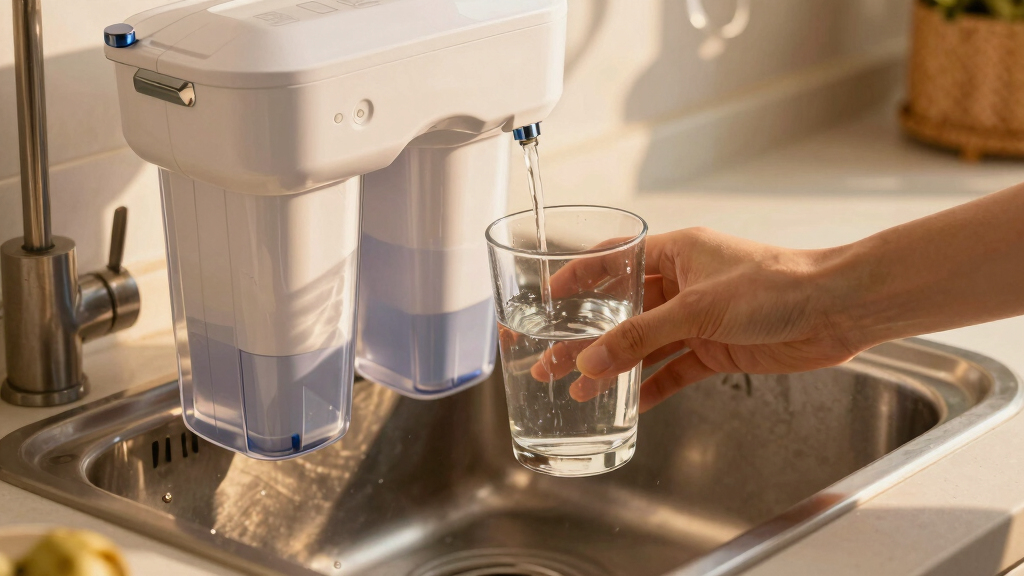 9 Best Under Sink Reverse Osmosis Water Filter Systems in 2026 - The
The Great Taste Conspiracy
Tap water is a cocktail of surprises. Chlorine, fluoride, lead, and sometimes a hint of whatever your neighbor poured down the drain. Reverse osmosis strips all that away. It’s so thorough that some people worry it removes “good minerals.” But listen: you’re not drinking water for the calcium—you’re drinking it because you’re 60% liquid and your boss is annoying.
Exaggeration alert: this filter is so effective, it could probably turn a glass of swamp juice into something you’d serve at a Michelin-starred restaurant. Do not test this. But theoretically? You’d win a Nobel Prize for “Most Aggressive Kitchen Upgrade.”
 Reverse Osmosis Water Filter Easy Install at Donna Nixon blog
The Installation: A Plot Twist (But Not a Tragedy)
Installing an under-sink reverse osmosis system is like building IKEA furniture—with water. There will be swearing, a moment of clarity, and then a triumphant “I am a plumbing god!” Most units come with easy-to-follow instructions, but you’ll still need to drill a hole in your countertop for the dedicated faucet. That’s the scariest part.
Pro tip: if you’re clumsy like me, watch a YouTube video first. Or bribe a friend who owns a drill. You’ll end up with water so pure that scientists would call it “stupidly clean.” And your sink will look like it has a shiny new robot baby.
The Waiting Game
Here’s the part nobody talks about: reverse osmosis is slow. It’s not a firehose of purity; it’s a gentle, persistent dribble. You’ll fill a glass and think, “Did it break?” No, it’s just meditating on the meaning of hydration. A typical system produces about 50 gallons per day—which sounds fast until you’re standing there, watching a single drop form like you’re watching paint dry.
:max_bytes(150000):strip_icc()/APEC-Water-Systems-ROES-50-Essence-Premium-Quality-5-Stage-Under-Sink-Reverse-Osmosis-Drinking-Water-Filter-System-a59f14b1a26e4d10a8084b2a49bb4454.jpg) The 9 Best Under-Sink Water Filters of 2023 | by The Spruce
The 9 Best Under-Sink Water Filters of 2023 | by The Spruce
But that’s the trade-off for elite-level filtration. Would you rather have water that’s 99% pure and takes a few seconds? Or water that’s probably fine but tastes like a municipal pipe’s angry memoirs? Choose wisely, you beautiful impatient creature.
The Costs: Your Wallet Will Lighten, But So Will Your Water
Good under-sink reverse osmosis systems run between $150 and $500. That’s less than a weekend in a hotel where the ice machine is always broken. You’ll also need to replace the filters every six to twelve months—about $50 to $100 a year. That’s cheaper than buying bottled water, which is basically paying for plastic and marketing lies.
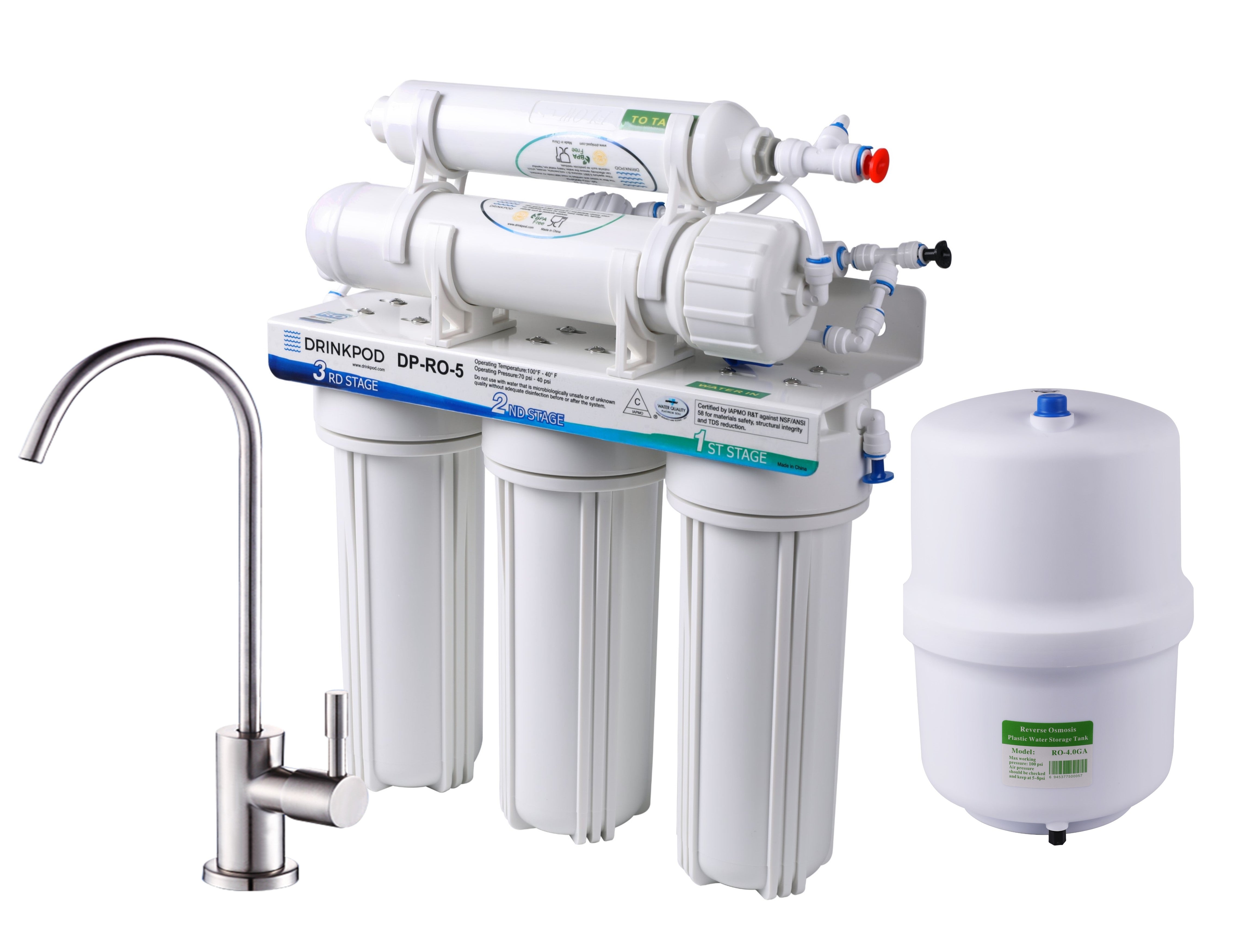 Reverse Osmosis Water Filter
Surprising fact: a single bottle of water costs more per gallon than gasoline. So if you’ve been buying cases of Dasani, you’ve essentially been fueling your dehydration with liquid gold. Reverse osmosis is your financial intervention. It’s like a sobriety coach for your wallet.
The Verdict: Is It Worth the Hype?
Yes, if you care about flavor, health, and not tasting your city’s personality in every glass. No, if you enjoy the thrill of wondering whether that brown speck in your ice is rust or a microbe. But for most of us, the answer is “get one immediately.” Your future self, sipping crystal-clear water at 3 a.m., will thank you.
And remember: the best under-sink water filter reverse osmosis system is the one you actually install. Not the one you read about, fantasize about, and then ignore while you drink from a garden hose. Go forth and osmose. Your taste buds—and your inner astronaut—will never forgive you for waiting this long.
