Best Whole House Well Water Filtration System

Okay, let’s talk about well water. You know, the stuff that comes right out of the ground, straight into your pipes? It’s not the same as city water, and honestly, sometimes i...

Okay, let’s talk about well water. You know, the stuff that comes right out of the ground, straight into your pipes? It’s not the same as city water, and honestly, sometimes it can be a bit of a wild card.
You might get the best-tasting water ever. Or, you might get water that smells like a swimming pool, stains your sinks a lovely rusty orange, or tastes a little… well, earthy. I’m talking to you, sulfur.
So, you need a hero. Not a caped one, but a whole house well water filtration system. It’s the bouncer at the door of your plumbing, kicking out the bad stuff before it reaches your shower, your washing machine, or your morning coffee.
Must Read
Why go whole house? Can’t I just use a pitcher?
You totally could! But a pitcher filter is like putting a band-aid on a broken leg. It only helps with drinking water, and even then, not that much.
A whole house system treats every single tap. Every shower, every toilet flush, every load of laundry. It’s the big guns. And let’s be real, do you want to wash your hair in water full of iron? Your hairdresser would cry.
First, know your enemy
Before you buy anything, you need to know what’s in your water. This is not optional. Pretend you’re a detective, but for plumbing. Get a water test.
Most local health departments or hardware stores can do one for cheap. You’re looking for the usual suspects: iron (those orange stains), manganese (black stains), hardness (scale on faucets), and sulfur (the rotten egg smell). Gross, right?
 Whole House Water Purification System For Well Water at Myrtle Jackman blog
Also, check for sediment (sand, silt, grit). Your well pump might be sending you a tiny beach party with every flush. Not fun for your appliances.
The A-Team: The best systems for 2024
Alright, here’s where the rubber meets the road. Or should I say, the pipe meets the filter. The “best” system depends entirely on what your water test says. No one-size-fits-all here, sorry.
If you’ve got hard water and iron, you’re looking at a combo system. Think of it as a two-in-one shampoo and conditioner, but for your pipes. A water softener paired with an iron filter is your gold standard. Brands like Pentair and Aquasana make rock-solid, no-nonsense options.
If your issue is mainly taste and chlorine (yes, some wells get treated with chlorine), a carbon filtration system is your best friend. It’s like a Brita on steroids. Systems from SpringWell are fantastic for this and have a lifetime warranty, which is basically a promise printed in ink.
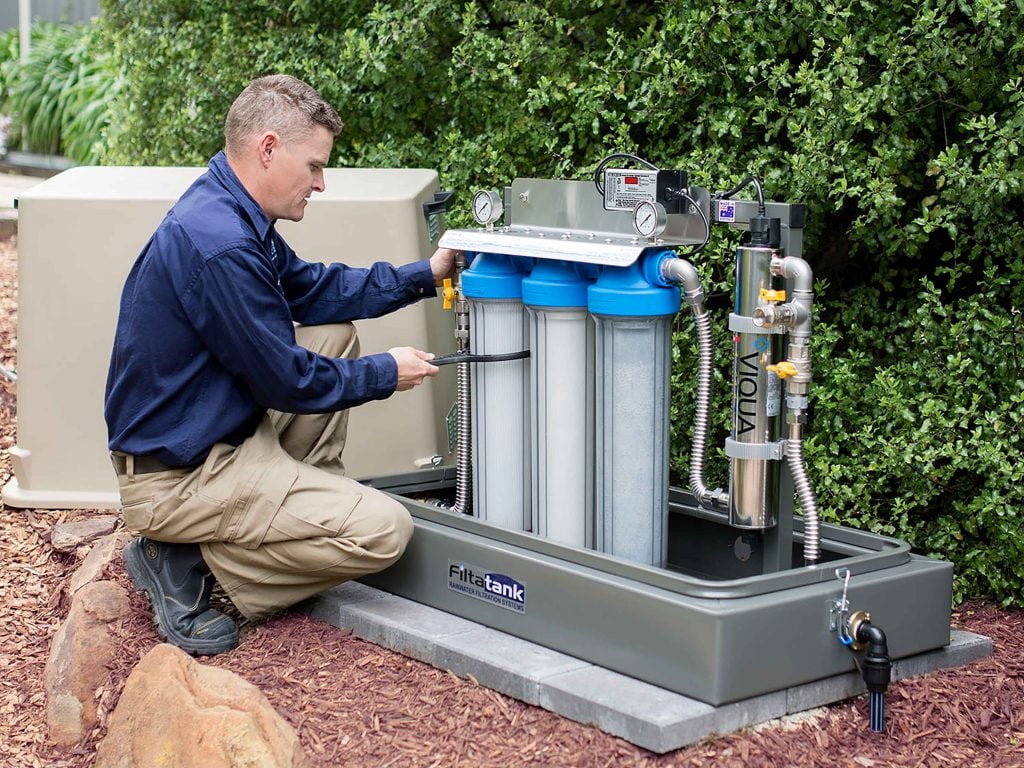 Best Water Filters For Wells: Water Filtration Systems For Private
For the “everything-is-wrong” water
Some well water is just… mean. It’s hard, has iron, stinks, and has bacteria. Don’t panic. You need a four-stage system. That’s sediment filter, carbon filter, water softener, and an ultraviolet (UV) light.
The UV light is your secret weapon against bacteria. It zaps the little buggers dead. No chemicals, just light. It’s like a tanning bed for your water, but way more useful. iSpring and Home Master make excellent all-in-one packages for this nightmare scenario.
Word of warning: This setup takes up space. You’ll need a basement or a utility closet that looks like a submarine control room. Worth it, though.
Installation: Do-it-yourself or call a friend with a truck?
Installing a whole house system is not a weekend project for the faint of heart. You need to cut copper pipe. You need to solder or use compression fittings. One wrong turn, and you’re mopping your basement.
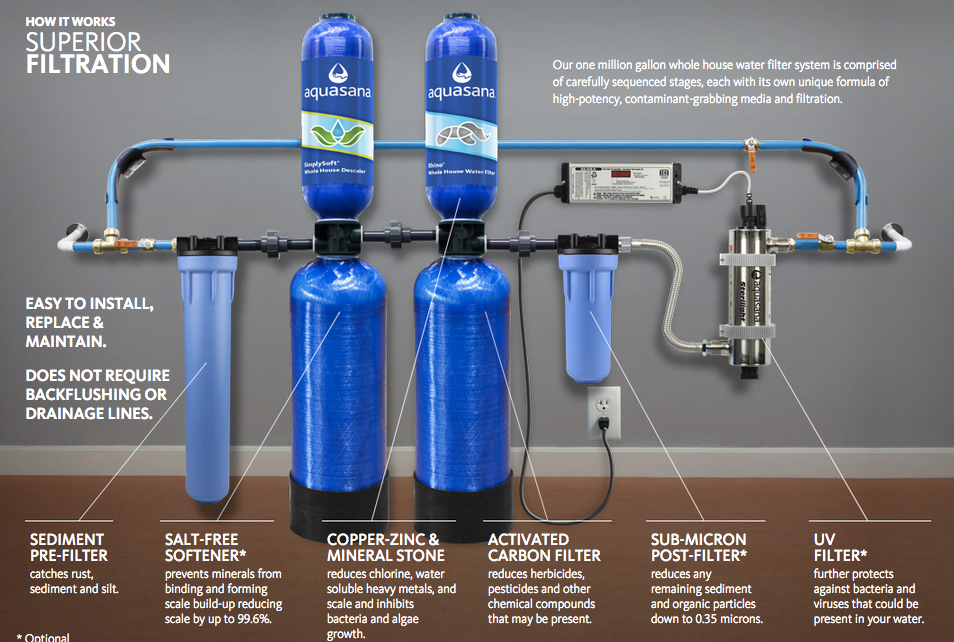 Best Whole House Water Filter System — Guide & Reviews
If you’re handy with tools, you can absolutely do it. Flexible hoses (called braided stainless steel lines) make it way easier. They’re like bendy straws for adults. But if the thought of your house flooding gives you hives, hire a plumber.
Seriously. The $300 you save by DIY might cost you $3,000 in water damage. Do the math on that one.
The unsung heroes: Pre-filters and post-filters
Here’s a pro tip: Slap a sediment pre-filter before your main system. This is a cheap, dirty filter that catches the big chunks first. It costs $20 and saves your expensive filters from wearing out too fast.
Think of it like a door guy for your event. He lets the big troublemakers in first, so the main bouncer (your expensive filter) only has to deal with the rowdy ones. Clever, huh?
:max_bytes(150000):strip_icc()/aquasana-whole-house-well-water-filter-system-68651cbaa66a4921b287057afec93edf.jpg) The 8 Best Whole House Water Filters of 2024 to Improve Your Water Quality
The 8 Best Whole House Water Filters of 2024 to Improve Your Water Quality
Also, consider a reverse osmosis (RO) system just for your kitchen sink. It polishes the water to a sparkling, delicious final sip. It’s the cherry on top of your filtration sundae.
Don’t forget the maintenance
A whole house system isn’t a “set it and forget it” thing. Filters need changing. Usually every 3-6 months for sediment, and every year for the big carbon tanks. Mark it on your calendar. Use a sticker.
If you ignore it, the system gets clogged, your water pressure drops, and you’re back to rusty showers. Nobody wants rusty showers. That’s how you end up looking like a cheeto.
But hey, a little maintenance is a small price to pay for clean, delicious, odor-free water that doesn’t destroy your dishes or your hair. Your washing machine will last longer. Your coffee will taste better. Your skin will stop feeling like sandpaper.
So go get that water test. Talk to a local well water pro. Then pick your system and breathe easy. Your pipes, and your morning shower, will thank you. Cheers to that.
