Best Chlorine Injection System For Well Water

There’s a special kind of panic that comes from watching your well water run brown after a big rainstorm. It’s like your faucet is trying to audition for a role in a muddy swa...

There’s a special kind of panic that comes from watching your well water run brown after a big rainstorm. It’s like your faucet is trying to audition for a role in a muddy swamp documentary. You’re not asking for Evian, you just want water that doesn’t look like it’s been fighting a rusty tractor.
That’s where a chlorine injection system steps in. Think of it as a superhero bouncer for your water supply, kicking out bacteria, iron, and that lovely "rotten egg" smell. Without it, you’re basically rolling the dice every time you fill a glass.
Why You Need a Chlorine Injection System
Imagine your well is a deep, dark party that nobody’s cleaning up after. Bacteria, sulfur, and iron are dancing on the tables and leaving a mess. Chlorine injection is the designated cleaner who shows up with a mop and a stern look.
Must Read
It treats the water before it hits your pipes, so your washing machine doesn’t end up looking like a vintage jean dye shop. If your water smells like a hard-boiled egg that’s been left in the sun, this is your fix.
The best part? You don’t need a chemistry degree. The system does the heavy lifting, mixing a precise amount of chlorine to zap the nasties. It’s like having a tiny lifeguard inside your plumbing.
The "Goldilocks" of Chlorine Injectors
Not all systems are created equal. Some are cheap plastic gizmos that break faster than a New Year’s resolution. The best ones use a positive displacement pump, which sounds fancy but just means it’s reliable. It’s the Honda Civic of water treatment—boring, tough, and never quits.
 The 3 Best Chlorine Injection Systems for Well Water
You also want a system with a contact tank. This is like a waiting room where the chlorine and water get to know each other for 20 minutes. Without it, the water rushes through faster than a teenager at a buffet, leaving bacteria alive and well.
I once tried a cheap model that didn’t have one. My shower smelled like a swimming pool, but the water still turned my white socks orange. Lesson learned: don’t cheap out on the contact time.
Flow Rates and Your Morning Routine
Imagine you’re in the shower, all soapy and humming your favorite song. Then the toilet flushes, and suddenly you’re screaming because the water turns ice cold. That’s a flow issue.
A good chlorine injection system matches your peak flow rate. If it’s too small, you’ll get untreated water when you run the washing machine and the shower at the same time. That’s a disaster for both your laundry and your dignity.
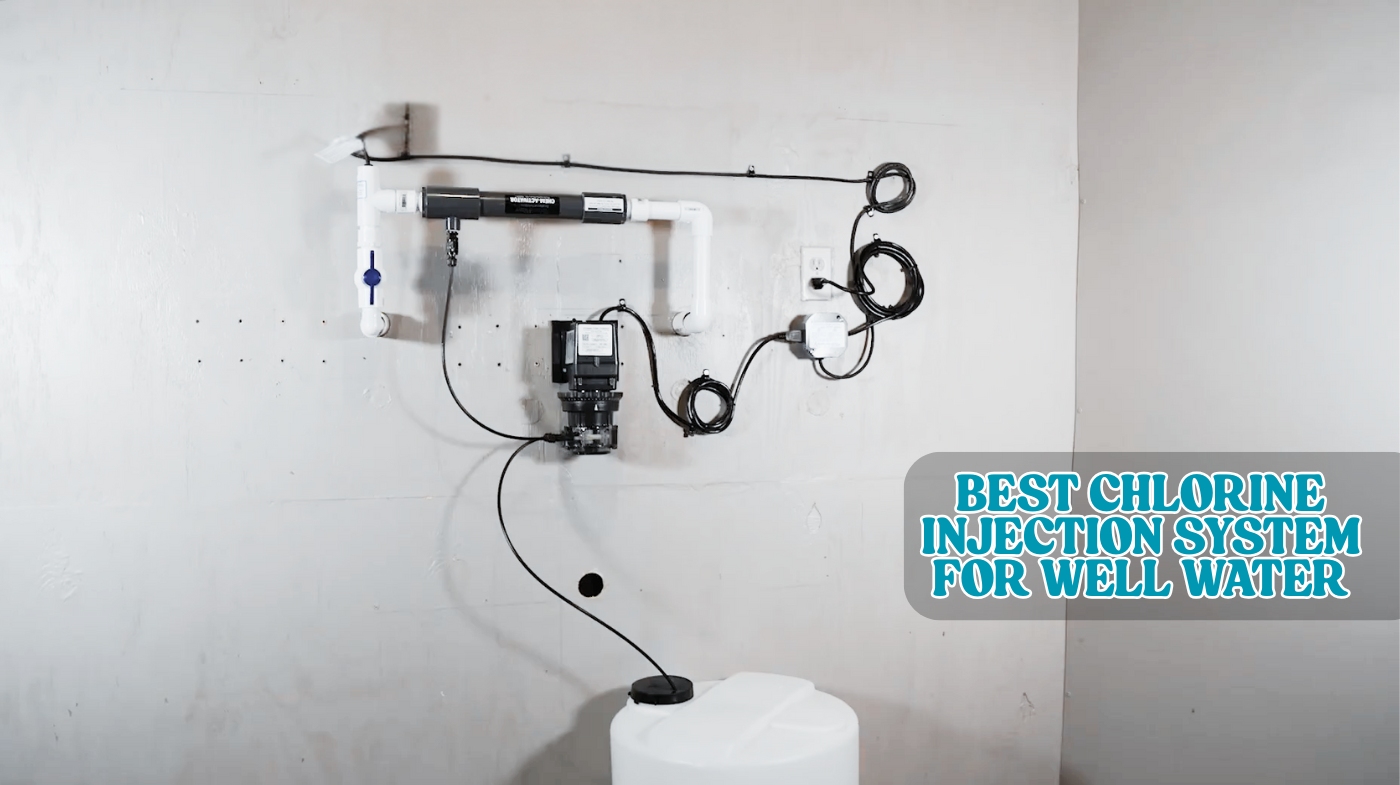 Best Chlorine Injection Systems for Well Water: Solutions – Plumbing Ways
I learned this the hard way during a house party. Someone flushed, I washed dishes, and the water came out smelling like a farm. My guests thought I was cooking something weird. Always oversize your pump.
The Setup: It’s Less Painful Than a Root Canal
Installing one of these isn’t rocket surgery, but it does require some basic plumbing. You’ll need space near your pressure tank for the injector and tank. Most systems come with a manual that reads like it was written by a evil genius, but YouTube saves the day.
You’ll also need a storage tank for chlorine. Don’t use a rusty bucket from the garage—get a proper 5-gallon container. Chlorine is aggressive; it will eat through cheap plastic like a kid through a candy bar.
Pro tip: mark your calendar to refill the chlorine tank. I forgot once, and the water turned brown again within a week. My wife looked at me like I’d sold the family dog for a used sedan.
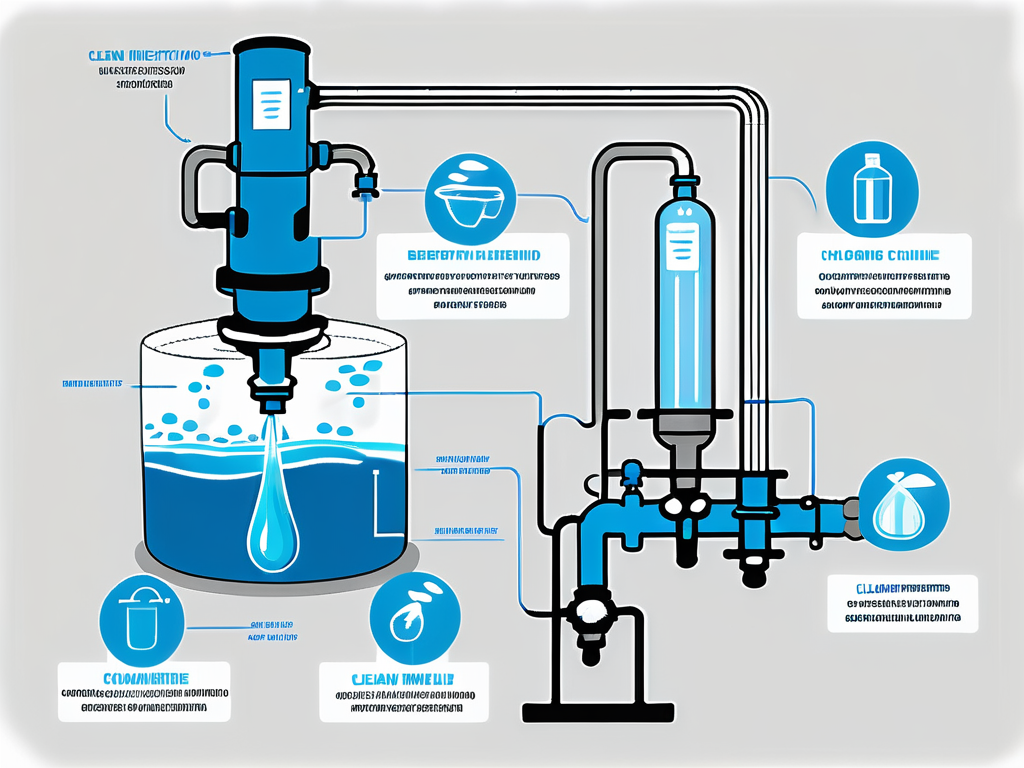 Understanding Well Water Chlorine Injection Systems: A Comprehensive Guide
Maintenance: It’s Easier Than Walking a Cat
Maintenance is mostly checking the chlorine level and cleaning the injection nozzle. The nozzle can clog if your water has a lot of sediment, but a quick vinegar soak fixes it. It’s a 10-minute job that saves you from drinking a science experiment.
Every few months, swap out the check valve—it’s a cheap part that stops water from flowing back into the chlorine tank. If it fails, you’ll find yourself drinking bleach-water. That’s a bad way to start a Tuesday.
I keep a spare valve in my toolbox next to the duct tape and hope. Because nothing says "I’ve got this" like a well-stocked emergency kit.
Which Model Wins the Medal?
In my experience, the Stenner Pump brand is the gold standard. It’s built like a tank and runs for years without a whimper. The Injector Pump brand is also solid, with cheaper replacement parts. Think of it as the Toyota to Stenner’s Lexus.
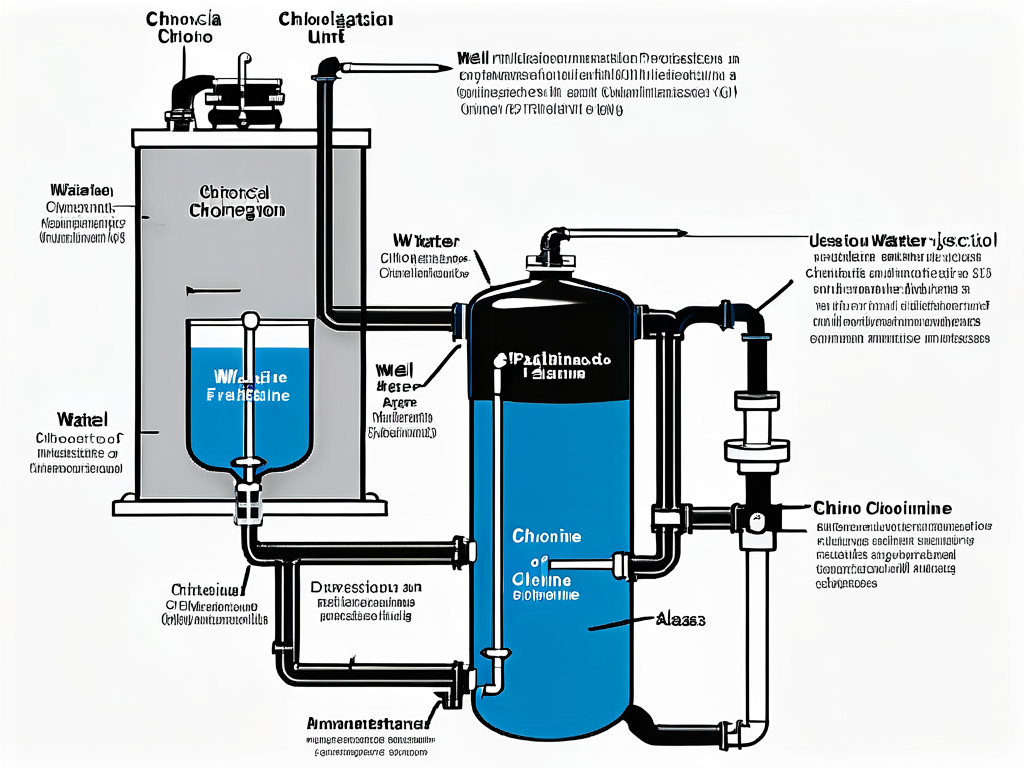 Understanding Well Water Chlorine Injection Systems: A Comprehensive Guide
For contact tanks, go with a polyethylene tank rated at 20 gallons minimum. It’s big enough to give the chlorine time to work, but small enough to fit in a utility closet. Don’t buy a fiberglass one—it can crack and flood your basement with bleachy tears.
One more thing: get a chlorine test kit. It’s a little vial that turns pink when the dosage is right. It makes you feel like a mad scientist, but in a good, responsible way.
In the end, a good chlorine injection system is like a trustworthy friend who always shows up with a plan. It turns your brown, stinky well water into something you’d actually let your kids drink. And when the power goes out and your neighbor’s water tastes like dirt? You’ll be the one hosting the coffee chat—with crystal-clear ice cubes.
So go ahead. Give your well water a spa day. You deserve it, and so does your laundry.
